
Buying Valerian Root Extract Powder wholesale in 2026 requires more than comparing prices. Buyers must examine identity, potency, safety, and supplier reliability. A professional-looking bag proves very little. The paperwork matters.
Herbal expert David Winston offers a useful principle: “Quality begins with identity, not packaging.” That idea fits wholesale purchasing well. Request the botanical name, plant part, extraction ratio, solvent details, and current certificate of analysis. Check whether the report identifies valerian markers, moisture, microbes, heavy metals, pesticides, and residual solvents. Lot numbers should match the delivered material, not an older sample.
Ask about farming regions and harvest seasons. Fresh roots should be handled carefully, because poor drying can create a musty odor or unstable powder. A small sample can reveal color, aroma, flow, and unexpected clumping. Still, sensory checks are not laboratory proof.
Reliable suppliers explain their testing methods and provide traceable records. They should also discuss storage conditions, packaging barriers, minimum order quantities, and realistic lead times. Avoid claims promising guaranteed sleep or medical results. Valerian products can affect people differently and may interact with medicines, so responsible labeling and local compliance remain essential.
The process is not flawless. A low price may look attractive until retesting, delays, or rejected batches appear. I would compare three suppliers, retain sealed samples, and document every decision. That extra discipline feels slow. It can prevent expensive mistakes. In the end, wholesale success depends on consistent quality, transparent evidence, and careful judgment—not impressive promises.
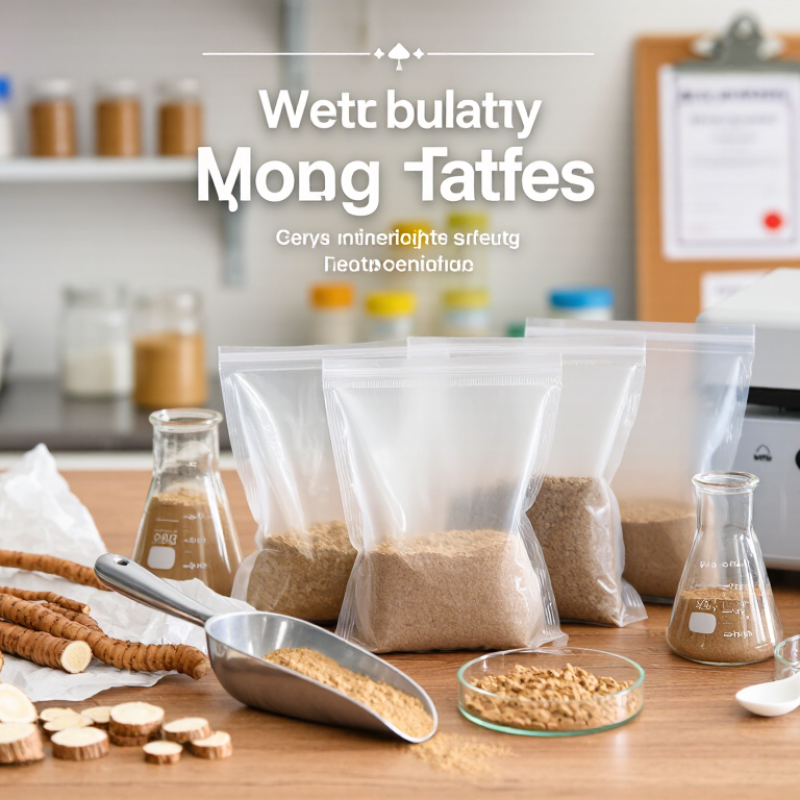
Valerian root extract powder is a concentrated botanical ingredient made from the roots and rhizomes of Valeriana officinalis. It is not the same as simply ground root. Extraction can change its aroma, solubility, and active-marker levels. The powder often has a sharp, earthy smell, like damp wood and old tea.
The European Medicines Agency reports traditional valerian preparations for mild nervous tension and sleep difficulties. Its monograph lists 400–600 mg of certain dry extracts for adults, but this dosage cannot be applied directly to every wholesale powder. Extract ratios vary widely. The U.S. National Center for Complementary and Integrative Health also notes that clinical findings remain inconsistent. That matters.
For wholesale purchasing in 2026, buyers should request the Latin species name, extraction ratio, solvent details, and a recent certificate of analysis. Testing should cover valerenic acids, identity, moisture, microbial limits, pesticides, and heavy metals. The European Pharmacopoeia uses sesquiterpenic acids as important quality markers for some valerian preparations. Still, marker content does not prove identical biological effects. This is easy to overlook. A clean-looking beige powder may still show weak testing or poor storage history. I would also inspect batch traceability, packaging seals, and retained-sample procedures before approving a large order.
| Data Dimension | Wholesale Buying Information | What to Verify Before Purchase |
|---|---|---|
| Product identity | Valerian root extract powder is a concentrated botanical ingredient made from the underground parts of valerian, most commonly Valeriana officinalis. | Confirm the scientific name, plant part used, country of origin, and whether the material is an extract or simply dried root powder. |
| Plant material | The root and rhizome are the primary raw materials used for valerian preparations. | Request botanical identification and documentation showing that stems, leaves, or unrelated plant material were not substituted. |
| Common extract format | Powder may be produced using water, ethanol, or a hydroalcoholic solvent. The finished powder can contain a carrier or drying aid depending on the manufacturing process. | Check the extraction solvent, native extract ratio, carrier percentage, and whether the declared ratio is based on dry herb input. |
| Marker compounds | Valerenic acids are commonly used as quality markers for valerian extracts. Other constituents include volatile oils and iridoid compounds such as valepotriates, which may be unstable. | Ask for a quantitative assay method and a certificate of analysis showing the declared marker level for the specific batch. |
| Appearance | A typical powder is beige, tan, brown, or yellowish-brown, with a characteristic earthy and strong valerian odor. | Define acceptable color, odor, flowability, and foreign-matter limits in the purchase specification. |
| Particle size | Particle size is normally stated using sieve specifications or mesh size. It affects blending, dispersibility, and filling performance. | Specify the required sieve profile, test method, and tolerance instead of relying only on the word “fine.” |
| Moisture and water activity | Moisture and water activity influence caking, microbial stability, shelf life, and powder handling. | Set limits for loss on drying or moisture and, where relevant, water activity. Use the same test method for supplier comparison. |
| Microbiological quality | Botanical powders should be tested for total aerobic microorganisms, yeast and mold, and specified pathogens according to the destination market and product category. | Request batch-specific microbiological results and confirm that testing follows a recognized pharmacopeial or validated method. |
| Contaminant testing | Relevant controls may include heavy metals, pesticide residues, aflatoxins, ochratoxin A, residual solvents, and foreign matter. | Match the test panel to the importing country, intended use, and applicable food, supplement, or herbal-product regulations. |
| Certificate of analysis | A useful certificate of analysis identifies the product, batch number, test dates, specifications, results, and approval status. | Ensure the certificate corresponds to the actual production lot rather than being a generic sample document. |
| Manufacturing controls | Good manufacturing practice controls help manage identity, traceability, sanitation, process consistency, and batch release. | Review the applicable GMP certification, audit information, quality manual, allergen controls, and change-control procedure. |
| Packaging | Valerian extract powder should be packed in clean, sealed, food- or pharmaceutical-suitable packaging that protects it from moisture, light, and odor transfer. | Confirm inner-liner material, tamper evidence, net weight, lot coding, palletization, and packaging compatibility with international transport. |
| Storage conditions | Store the powder tightly closed in a cool, dry place away from direct sunlight, heat, moisture, and strong odors. | Request the supplier’s validated storage conditions and confirm whether temperature or humidity monitoring is required. |
| Shelf life | Shelf life is product- and packaging-specific and must be supported by stability data rather than assumed from the raw botanical name. | Check manufacture date, expiry or retest date, stability conditions, and the minimum remaining shelf life required at delivery. |
| Order quantity | Wholesale minimum order quantities vary according to extraction format, packaging, customization, and production scale. | Obtain written quotations for sample, pilot, and commercial quantities, including lead time, payment terms, and shipment terms. |
| Regulatory suitability | Permitted claims, dosage forms, labeling requirements, and import controls differ by jurisdiction. A botanical ingredient is not automatically approved for every use. | Review the regulations of the destination country and obtain a compliant ingredient specification before making health or sleep-related claims. |
| Safety and formulation review | Valerian products may cause drowsiness in some people and may interact with sedatives or other substances. Formulation and labeling should be reviewed by qualified professionals. | Complete a safety assessment, identify contraindications and interaction warnings, and avoid unsupported medical claims. |
Wholesale purchasing note: Compare suppliers using the same botanical identity, extract definition, marker-compound assay, contaminant limits, packaging requirements, and batch documentation. Final specifications should be confirmed against the regulations of the destination market.
Compare extract strength, testing, packaging, documentation, and export preparation. A cheaper quote may exclude laboratory analysis. Check the full cost.
A lot-specific certificate connects test results to your actual powder. Check identity, marker compounds, moisture, microbes, heavy metals, and test dates. General templates are weaker evidence.
A low unit price may require 100 kilograms. That can increase storage pressure and tie up cash. Ask about samples, trial orders, and mixed-lot purchases.
Add product price, freight, insurance, customs charges, and destination handling. Compare EXW, FOB, CIF, or DDP terms line by line. Request two freight estimates.
Confirm lead time, shipping responsibility, insurance, customs payment, and destination handling. Seasonal congestion may delay delivery. Written details reduce unpleasant surprises.
Request the botanical identity, plant part, extraction ratio, and laboratory methods. Also review pesticides, residual solvents, adulterants, shelf life, and packaging materials.
No. Consistent color, fine texture, and earthy aroma are useful clues. They cannot replace laboratory testing. A polished document can still mislead.
Review warnings, intended use, serving guidance, and possible interactions with sedative medicines or alcohol. Confirm current destination rules for imports, labels, claims, and manufacturing practices.
Keep a comparison sheet with price, MOQ, lead time, payment terms, and shipping duties. Retain a sample from every lot. Pause when evidence conflicts. Mistakes remain possible.
This guide explains how to buy Valerian Root Extract Powder wholesale in 2026, beginning with its common uses, extraction forms, active compound content, and typical applications in supplements, beverages, and wellness products. Wholesale buyers should carefully review specifications such as valer valerenic acid levels, powder appearance, solubility, moisture, particle size, packaging, shelf life, and available documentation. Clear specifications help ensure the material is suitable for its intended formulation and production process.
The article also outlines how to find and screen reliable suppliers by evaluating manufacturing capabilities, communication, sample policies, certifications, and traceability. Buyers should compare prices alongside minimum order quantities, lead times, payment conditions, shipping terms, and total landed costs rather than focusing only on the quoted unit price. Before purchasing, request recent certificates of analysis, identity and purity testing, microbiological and contaminant results, stability information, and relevant regulatory documents. A structured verification process can reduce supply risks and support consistent quality, safety, and compliant distribution.
