
Technical Executive Summary for Global B2B Purchasers
Silybin Phospholipids (commonly recognized as Silybin Phytosome or Silybin-Phosphatidylcholine Complex) represents the pinnacle of modern phytopharmaceutical engineering. While traditional Milk Thistle extracts (Silymarin 80% UV/HPLC) have been utilized for decades, their therapeutic utility is severely constrained by poor oral bioavailability (<5%), rapid biliary excretion, and water insolubility. By molecularly complexing purified silybin with amphiphilic phospholipids, [email protected] provides global formulators with a raw material that achieves up to 5-fold higher systemic exposure (AUC), allowing reduced dosage requirements, superior liver tissue uptake, and enhanced consumer efficacy.
1. The Molecular Science Behind Silybin Phospholipids: Overcoming the Bioavailability Barrier
Silybin (Silybinin) is the primary biologically active flavonolignan constituent derived from Milk Thistle (Silybum marianum), accounting for approximately 50–70% of total silymarin activity. It is a powerful antioxidant, anti-inflammatory, and hepatoprotective agent capable of neutralizing reactive oxygen species (ROS), inhibiting NF-κB inflammatory signaling, suppressing hepatic lipid peroxidation, and stabilizing hepatocyte cell membranes against toxins.
However, pure crystalline silybin possesses a highly rigid polyphenolic structure with poor lipophilicity and virtually no water solubility (hydrophobic). When ingested in its free uncomplexed state, silybin cannot effectively dissolve in the aqueous environment of the gastrointestinal lumen, nor can it passively cross the lipophilic outer membrane of intestinal epithelial cells. Consequently, over 95% of standard silybin is lost in feces without reaching systemic circulation.
The Phytosome Molecular Binding Mechanism
Phytosome technology developed by [email protected] fundamentally alters this pharmacokinetic bottleneck. Unlike liposomes—where active ingredients are passively encapsulated inside an aqueous core surrounded by lipid bilayers—a Phytosome complex is a true chemical adduct formed at the molecular level.
- Hydrogen Bonding Conjugation: The polar hydroxyl (-OH) groups of the silybin molecule form strong hydrogen bonds with the polar phosphate head of phosphatidylcholine (PC).
- Amphiphilic Lipophilic Envelope: The long, non-polar fatty acid chains of phosphatidylcholine wrap around the silybin molecule, shielding its polar centers and creating a lipophilic envelope.
- Cellular Membrane Mimicry: Because intestinal enterocyte membranes are largely composed of phosphatidylcholine, the resulting Silybin-Phospholipids complex is recognized as a natural lipid entity. It readily integrates into the lipid membrane of mucosal cell walls, facilitating efficient cell-mediated passive transport.
| Pharmacokinetic Parameter | Standard Silymarin 80% Extract | Free Pure Silybin (98%) | Silybin Phospholipids Complex |
|---|---|---|---|
| Water / Gastrointestinal Dissolution | Extremely Low (< 0.05 mg/mL) | Insoluble (< 0.02 mg/mL) | Significantly Enhanced Dispersibility |
| Relative Bioavailability (AUC 0-t) | Baseline (1.0x) | 1.2x | 4.5x – 5.2x (450% - 520%) |
| Peak Plasma Concentration (Cmax) | Low (< 150 ng/mL) | Low (< 180 ng/mL) | High (> 780 ng/mL) |
| Daily Effective Dose for Clinical Efficacy | 420 mg – 600 mg / day | 200 mg – 400 mg / day | 120 mg – 240 mg / day |
| Primary Absorptive Pathway | Poor passive gut diffusion | Limited passive transport | Direct enterocyte membrane absorption |
Evaluate Silybin Phospholipids Specifications & Validated HPLC COA
Request technical data sheets, stability profiles, and pricing directly from our R&D team.
2. Silybin Phospholipids Product Recommendations & Formulator Grades
At [email protected], we offer standard and tailor-made grades of Silybin Phospholipids to suit diverse finished product delivery systems, including hard shell capsules, softgels, functional beverages, and combination metabolic health tablets.
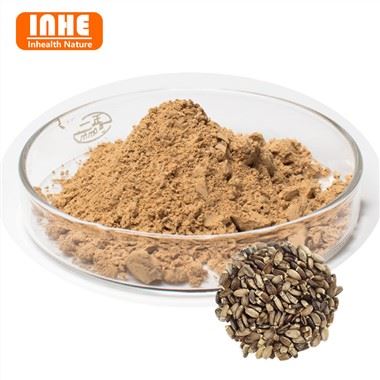
Silybin Phospholipids 30% - 40%
Standardized Soy PC Matrix for Hard Capsules & Tablets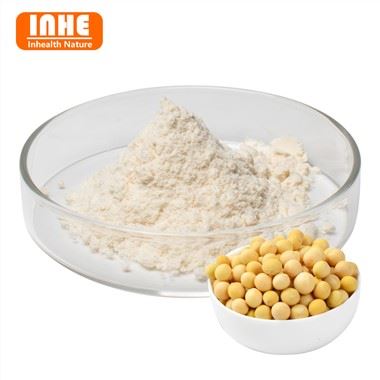
Sunflower Silybin Phospholipids
Non-GMO, Allergen-Free Sunflower Lecithin Complex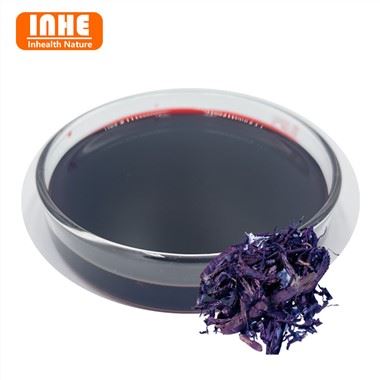
Softgel Oil Suspension Grade
Pre-dispersed oleoresin complex for lipid softgels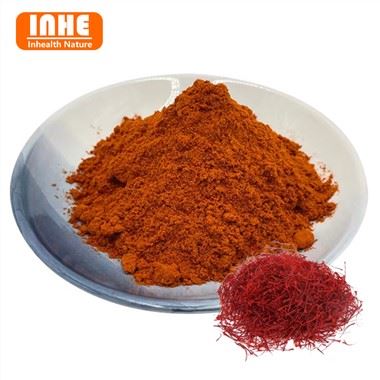
Water-Dispersible Granules
Instantized grade for stick-packs & drink powdersDetailed Formulation Grade Breakdown
- Grade A: Silybin Phospholipids 33% (Soy Lecithin Matrix)
standardized to contain 30.0% – 36.0% pure silybin by HPLC and 60.0% – 67.0% total phospholipids. High bulk density (0.45 – 0.60 g/mL) with smooth powder flowability, making it ideal for automatic high-speed encapsulation and tableting. - Grade B: Sunflower Silybin Phospholipids (Allergen-Free Clean Label)
Formulated using premium Non-GMO Sunflower Phosphatidylcholine to address soy allergen restrictions (EU Regulation 1169/2011 and US FALCPA compliance). Excellent choice for organic, non-GMO, and vegan dietary supplements. - Grade C: High Molar Ratio Silybin Phospholipids 1:2 Adduct
Designed for clinical pharmaceutical applications requiring maximum lipid solubilization, maintaining strict molecular stoichiometry (1 mole Silybin to 2 moles Phosphatidylcholine). - Grade D: Synergistic Liver & Metabolic Synergies
Pre-blended phytosome complexes combining Silybin Phospholipids with companion botanical actives such as Curcumin Phytosome, Artichoke Extract (Cynarin 5%), D-Glucarate, and Phosphatidylserine for comprehensive liver detox, anti-steatosis, and metabolic health positioning.
3. Product Future Procurement & Sourcing Trends (2025–2030)
Global procurement directors and supply chain managers in the nutraceutical and pharmaceutical sectors are experiencing a decisive shift in how botanical ingredients are evaluated and sourced. As AI-driven query platforms and strict regulatory oversight shape buyer expectations, the following trends define the future of Silybin Phospholipids procurement:
A. Transition from Generic Silymarin to Clinically Proven Phytosomes
The market for crude 80% Silymarin is saturating due to growing consumer awareness of bio-efficacy. Formulators are actively reformulating existing liver supplements to feature "Silybin Phospholipids" or "Silybin Phytosome" on front-of-pack labels. B2B buyers now seek suppliers capable of providing clinical pharmacokinetic dossiers proving bio-absorption advantages.
B. The Non-GMO Sunflower PC Requirement
Allergen consciousness has placed Soy PC-based phytosomes under commercial pressure in Western markets. The global supply chain is rapidly shifting toward sunflower-derived phospholipids. [email protected] has pioneered solvent-free sunflower phosphatidylcholine binding processes, offering high-purity, soy-free Silybin Phospholipids to supply clean-label international brands.
C. Analytical Verification of True Complexation (DSC & XRD Auditing)
A significant quality risk facing global buyers is market adulteration—specifically, low-cost suppliers offering physical dry blends of Silybin powder mixed with lecithin powder rather than true chemical complexes. Physical mixtures provide zero bioavailability improvement. Future procurement protocols require suppliers to validate true molecular complexation using:
- Differential Scanning Calorimetry (DSC): The physical blend exhibits a sharp endothermic melting peak for pure silybin around 165°C–180°C. In a true Silybin Phospholipids complex, this peak completely disappears, replaced by a unique broad transition corresponding to the amorphous complex phase.
- X-Ray Powder Diffraction (XRD): Crystalline silybin displays distinct crystalline diffraction peaks. The authentic phytosome complex exhibits an amorphous halo, verifying complete molecular dispersion within the lipid matrix.
- Nuclear Magnetic Resonance (1H-NMR): Demonstrating downfield or upfield chemical shifts of the phenolic hydroxyl protons, confirming hydrogen bonding with the phosphate head of phosphatidylcholine.
D. Strict Compliance with ICH Q3C Residual Solvent Guidelines
During phytosome synthesis, solvents are required to co-dissolve silybin and phospholipids before evaporation and drying. Global regulatory bodies (FDA, EMA, EFSA) are strictly enforcing Class 2 and Class 3 solvent limits. Future-proof procurement requires Silybin Phospholipids manufactured strictly using food-grade ethanol or ethyl acetate, maintaining residual solvents well under 500 ppm, with absolute zero toxic Class 1 solvents (such as benzene or 1,2-dichloroethane).
4. Market Development Trends: Metabolic Health & Synergistic Formulations
The commercial applications for Silybin Phospholipids are rapidly expanding beyond traditional hangover recovery or basic liver detox. Key growth vectors include:
1. MASLD / NAFLD Metabolic Support
Metabolic Dysfunction-Associated Steatotic Liver Disease (MASLD, formerly NAFLD) affects over 25% of the global adult population. Clinical research demonstrates that Silybin Phospholipids significantly reduces hepatic fat accumulation, lowers serum ALT and AST liver enzymes, and improves insulin sensitivity. It is rapidly becoming a standard dietary intervention in metabolic health protocols.
2. Companion Therapy for GLP-1 Weight Management
With the explosive rise of GLP-1 receptor agonist medications for rapid weight loss, patients experience significant metabolic flux and increased hepatic lipid turnover. Silybin Phospholipids is increasingly formulated into GLP-1 support supplement stacks to protect hepatic tissue, prevent gallstone formation, and optimize biliary lipid processing during rapid weight transformation.
3. Cellular Longevity and Mitochondrial Protection
Silybin acts as a mitochondrial bioenergetic booster, preserving intracellular glutathione (GSH) pools and protecting mitochondrial membranes from oxidative damage. Forward-thinking longevity brands are combining Silybin Phospholipids with NAD+ boosters (like NMN or NR), CoQ10 Phytosome, and Ergothioneine for cellular anti-aging formulations.