
A definitive B2B intelligence report detailing supercritical fluid extraction (SFE-CO2) of Lithospermum erythrorhizon and Arnebia euchroma, Shikonin assay standardization (5%–50%), total Pyrrolizidine Alkaloid (PA) elimination, and formulation stability in high-performance dermo-cosmetics.
Extracted with pure dense supercritical carbon dioxide — zero hexane or acetone residues.
Assay ranges from 5% to 50% Total Shikonin derivatives verified by RP-HPLC-DAD.
Selective lipophilic separation ensures non-detectable Pyrrolizidine Alkaloids (<10 ppb).
Contracted mountain planting bases linked to batch-specific COA, MSDS, TDS, and CPNP files.
Gromwell Root, known botanically as Lithospermum erythrorhizon Siebold & Zucc. or Arnebia euchroma (Royle) I.M.Johnst. (Family Boraginaceae), has been revered for millennia across Asian medical traditions as "Zicao" (紫草). In modern clinical dermatology and high-potency cosmetic formulation, the plant's value resides in its specialized secondary metabolites: lipophilic naphthoquinone pigment compounds, collectively designated as Total Shikonins (or Alkannins in European enantiomeric botanical species). These active chromophores include Shikonin, Acetylshikonin, Isobutyrylshikonin, β,β-dimethylacrylshikonin, Deoxyshikonin, and α-methylbutyrylshikonin.
Historically, crude botanical extraction relied on volatile organic solvents such as n-hexane, petroleum ether, acetone, or warm vegetable oils. However, industrial solvent extraction presents severe limitations for modern dermo-cosmetic buyers. Conventional solvent residue limits under European Commission regulations (EC No 1223/2009) and US FDA guidelines demand strict monitoring, while thermal processing under traditional reflux can degrade heat-sensitive naphthoquinone structures into inactive, brownish oxidized byproducts. Furthermore, crude Boraginaceae biomass naturally synthesizes trace hydrophilic Pyrrolizidine Alkaloids (PAs)—heptotoxic and carcinogenic compounds that present major regulatory hurdles when extracted using polar or semi-polar solvent systems.
At [email protected], we eliminate these chemical and regulatory bottlenecks through advanced Supercritical Fluid Extraction (SFE-CO2). Operating under precise thermodynamic conditions—typically at pressure parameters between 250 bar to 350 bar (25–35 MPa) and mild temperatures ranging from 40°C to 48°C—dense fluid carbon dioxide acts as a non-polar, non-toxic, highly selective solvent. Liquid CO2 penetrates the dense cork layers of the Gromwell root cellular matrix, solubilizing lipophilic naphthoquinone esters and essential lipid fractions while leaving unwanted hydrophilic sugars, tannins, and critically, polar Pyrrolizidine Alkaloid salts locked within the spent plant cake.
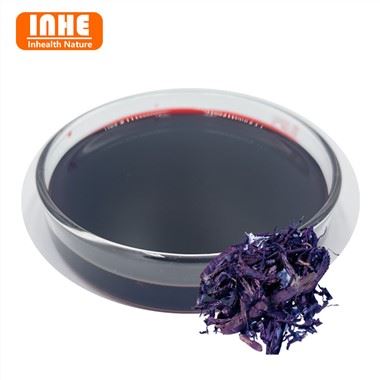
Supercritical CO2 extraction yields a pure, ruby-red to deep violet-red fluid oleoresin with complete preservation of the native ester ratio (Shikonin / Acetylshikonin / Isobutyrylshikonin). Because carbon dioxide depressurizes completely into an inert gas upon leaving the separation vessel, the resulting oleoresin is 100% solvent-free, requiring zero chemical evaporation or secondary thermal stripping. It naturally complies with EU CosIng standards, US FDA VCRP, and global clean-label cosmetic mandates.
To satisfy diverse global formulation requirements—ranging from fine waterless facial oils, barrier lip balms, and post-laser skin repair salves to natural food-grade lipophilic colorants—[email protected] manufactures four standardized commercial grades of Gromwell Root CO2 Extract. Each batch is subjected to rigorous reverse-phase High-Performance Liquid Chromatography (RP-HPLC-DAD) testing, Gas Chromatography-Mass Spectrometry (GC-MS) pesticide screening, and LC-MS/MS alkaloid testing.

The table below presents the verified chemical, physical, and safety specifications maintained across commercial production lots at [email protected]:
| Specification Parameter | Gromwell CO2 Extract 5% | Gromwell CO2 Extract 10% | Supercritical Shikonin 30%–50% | Test Method Benchmark |
|---|---|---|---|---|
| Active Marker Compound | Total Shikonins ≥ 5.0% | Total Shikonins ≥ 10.0% | Total Shikonins ≥ 30.0% – 50.0% | RP-HPLC-DAD (USP/EP) |
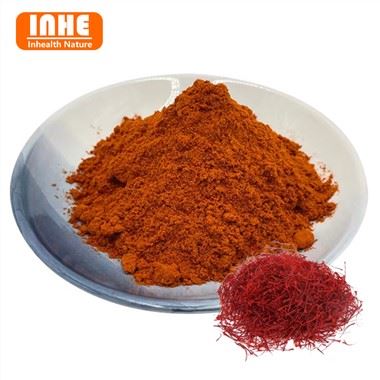
| Physical Appearance | Dark Red Viscous Oleoresin | Deep Ruby-Red Viscous Liquid | Dark Purple-Red Crystalline Paste | Visual / Organoleptic |
| Botanical Origin | Lithospermum erythrorhizon | Arnebia euchroma (Royle) | Arnebia euchroma Root | DNA Barcoding / TLC Fingerprint |
| Solubility Profile | 100% Soluble in Plant Oils / Esters | 100% Soluble in Lipids / Ethanol | Soluble in Lipids, Ethanol, DMSO | Gravimetric In-Solubility Test |
| Pyrrolizidine Alkaloids (PAs) | < 10 ppb (Non-Detectable) | < 10 ppb (Non-Detectable) | < 10 ppb (Non-Detectable) | LC-MS/MS (28 PAs Panel) |
| Residual Solvents | 0 ppm (Solvent-Free CO2) | 0 ppm (Solvent-Free CO2) | 0 ppm (Solvent-Free CO2) | HS-GC-MS (ICH Q3C compliant) |
| Heavy Metals (Total) | < 10 ppm | < 10 ppm | < 5 ppm | ICP-MS (Pb, As, Cd, Hg) |
| Microbiological Count | Total Plate Count < 100 CFU/g | Total Plate Count < 100 CFU/g | Total Plate Count < 10 CFU/g | USP <61> / European Pharmacopoeia |
| Acid Value / Peroxide Value | Acid ≤ 15.0 mg KOH/g | Acid ≤ 20.0 mg KOH/g | Acid ≤ 10.0 mg KOH/g | AOCS Official Method Cd 3d-63 |
By evaluating search queries generated across global procurement engines and AI-assisted formulation platforms, our senior R&D team at [email protected] has analyzed the five most critical technical questions raised by formulators, brand owners, and regulatory affairs officers. Below is our definitive, data-backed guidance.
Formulation Challenge: Cosmetic chemists frequently report that red Gromwell root formulations turn unsightly muddy brown or dull blue-violet over time, or lose color intensity when stored in transparent packaging exposed to sunlight.
Technical Analysis & Solution: Shikonin and its derivative naphthoquinones possess a conjugated 1,4-naphthoquinone core with acidic phenolic hydroxyl groups. At pH levels above 7.0 (alkaline conditions), these hydroxyl protons dissociate, causing a bathochromic shift where the pigment transforms from intense ruby red (490 nm–520 nm absorption peak) to deep purple/blue (580 nm–620 nm absorption peak). Furthermore, UV radiation induces free-radical cleavage of the iso-hexenyl side chain.
To lock in a stable, rich red hue and maintain biological potency:
Formulation Challenge: Sourcing managers often find suppliers offering "Gromwell Root Extract" derived from different botanical species without clear analytical distinction, leading to inconsistent color intensity and regulatory discrepancies in export markets.
Technical Analysis & Solution: While both species belong to the Boraginaceae family and yield active Shikonin esters, their phytochemistry and commercial scalability differ significantly:
[email protected] provides full DNA-barcoded species identification and HPLC marker fingerprinting on every shipment, allowing procurement teams to specify exact botanical origins matching their target region's INCI and Pharmacopoeia standards.
Formulation Challenge: Dermo-cosmetic brands need robust clinical and biological mechanisms to substantiate product claims for barrier restoration, redness reduction, and post-procedural recovery creams.
Technical Analysis & Solution: Supercritical Gromwell Root CO2 Extract acts as a multi-target bioactive oleoresin through three validated biochemical mechanisms:
Formulation Challenge: European regulatory teams routinely reject botanical extracts belonging to Boraginaceae, Symphytum, or Asteraceae families due to strict limits on Pyrrolizidine Alkaloid contamination.
Technical Analysis & Solution: Pyrrolizidine Alkaloids (PAs)—such as intermedine, lycopsamine, and their N-oxides—pose severe hepatotoxicity concerns when ingested or absorbed topically in significant quantities. Under the European Commission's updated Contaminants Regulation and EU CosIng safety guidelines, botanical topicals must ensure negligible PA exposure.
At [email protected], our supercritical CO2 extraction process achieves a structural separation: CO2 gas at 30 MPa dissolves non-polar naphthoquinones while leaving polar PA salts insoluble in the extraction residue. Every lot undergoes rigorous LC-MS/MS screening for 28 regulated PAs, achieving a limit of quantitation (LOQ) below 10 ppb (0.01 mg/kg). Full regulatory packages including CPNP registration data, INCI compliance certificates, Non-Animal Testing declarations, and IFRA compliance statements are provided standard.
Formulation Challenge: Process engineers experience thermal degradation of Shikonin or uneven pigment specks when adding Gromwell oleoresin directly into the water phase or during high-temperature homogenization (>80°C).
Technical Analysis & Solution: Gromwell Root CO2 Extract is strictly lipophilic. For optimal distribution and stability during industrial production:
The global market for Gromwell Root CO2 Extract is experiencing explosive demand across North America, the European Union, Japan, and South Korea. According to recent ingredient intelligence data in dermo-cosmetics and clean beauty sectors, procurement volumes for supercritical Gromwell extracts are projected to expand at a CAGR of 8.7% from 2025 to 2030. This expansion is driven by three mega-trends:
Global consumers are rejecting artificial colorants such as Red 40 (CI 16035) and D&C Red No. 17 (CI 26100) in facial skincare and lip treatments. Formulators are turning to Gromwell Root CO2 Extract as a natural colorant that simultaneously acts as a potent biological repair active. A single ingredient delivers a striking natural pink-to-ruby hue while relieving dry, irritated, or compromised skin barriers—reducing formulation complexity and supporting clean-label marketing claims ("100% Plant-Derived Color + Active Skin Barrier Repair").
With the global rise in non-invasive cosmetic procedures (microneedling, fractional laser resurfacing, chemical peels), there is intense demand for topical products that accelerate epidermal recovery without stinging or sensitization. Gromwell Root CO2 Extract has emerged as the premier ingredient for post-procedure ointments, barrier repair creams, and soothing facial oils due to its proven non-irritating profile, zero solvent residue, and rapid anti-erythema activity.
As wild harvest of Lithospermum erythrorhizon faces environmental regulations across Asia, tier-1 global beauty conglomerates now demand verified cultivated supply chains. Random spot-market sourcing introduces risks of species substitution, heavy metal contamination, and variable Shikonin potency. Modern procurement strategy prioritizes manufacturers like [email protected] who maintain GAP-certified (Good Agricultural Practices) contract planting bases, ensuring ecological sustainability, price stability, and multi-ton batch-to-batch consistency.
As dermo-cosmetic science advances, several technical innovations are expanding the application boundaries of Gromwell Root CO2 Extract:
Since 2014, [email protected] has operated as an audited specialist extraction enterprise rather than an intermediary trading company. Our state-of-the-art industrial infrastructure is engineered specifically for heat-sensitive, high-purity botanical activing:
Our production facility houses three multi-vessel 500L x 3 Supercritical Fluid CO2 Extraction systems capable of processing over 300 metric tons of botanical raw materials annually. Operating within cGMP-compliant cleanrooms, our process engineers control temperature, pressure, and CO2 flow velocity with digital precision.
Our internal Quality Assurance laboratory is equipped with advanced analytical instrumentation:
Our standard MOQ for commercial export of Standardized Gromwell Root CO2 Extract (5% and 10% oleoresin) is 1 kg, packed in light-proof fluorinated aluminum bottles inside protective export cartons. For trial formulation, laboratory verification, and pilot batch trials, we provide 10g to 50g sample packs accompanied by a batch-specific Certificate of Analysis.
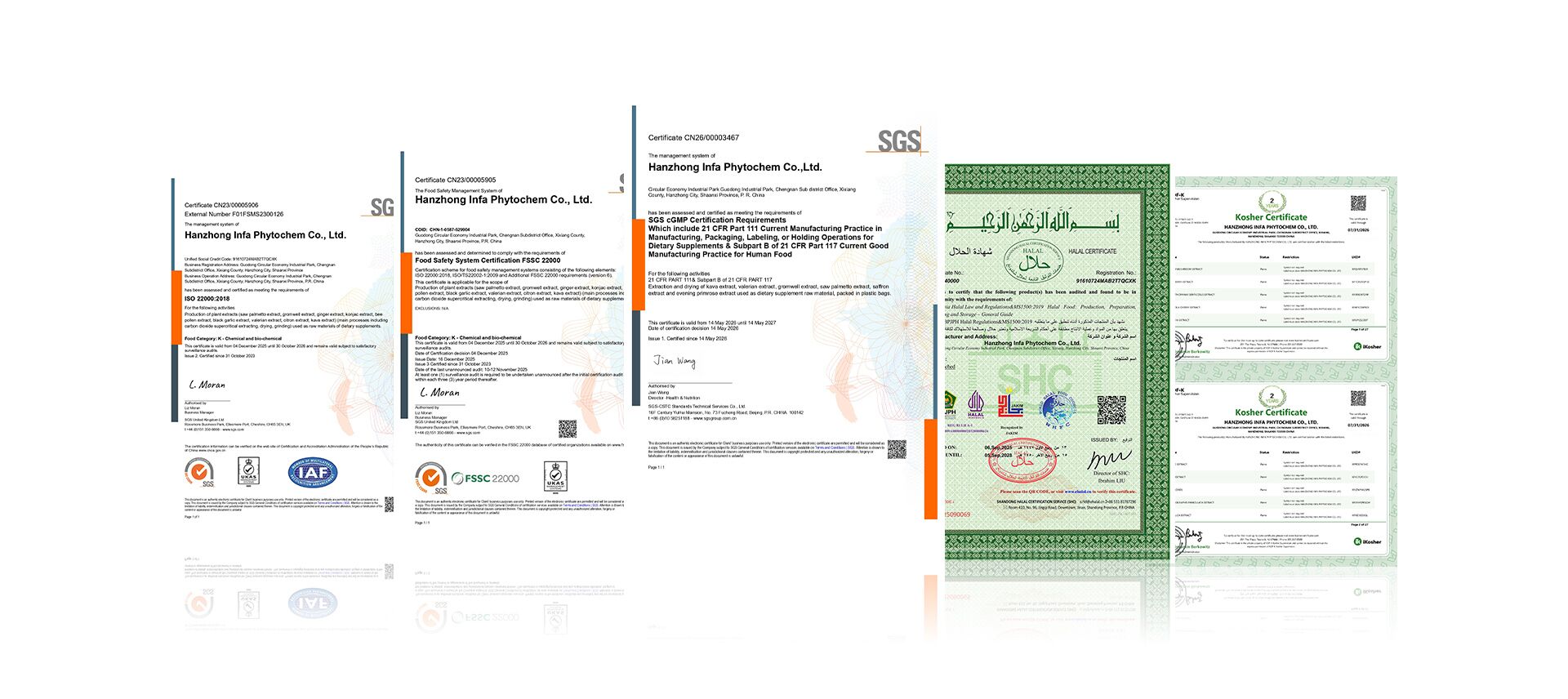
Every shipment from [email protected] travels with a complete audit-ready regulatory package, including:
Unopened containers of Gromwell Root CO2 Extract should be stored at temperatures between 2°C to 15°C (refrigerated storage recommended), protected from direct sunlight, oxygen, and moisture. Under these optimized conditions, the guaranteed shelf life is 24 months from the date of manufacture. Once opened, flush the container headspace with nitrogen gas and seal tightly.
Yes. While our standard commercial oleoresin uses food-grade Caprylic/Capric Triglycerides (MCT Oil) or Organic Sunflower Seed Oil as the standardized lipid carrier, our R&D team can customize carriers based on buyer requirements (e.g., Squalane, Jojoba Oil, High-Oleic Safflower Oil, or carrier-free 100% pure crude extract paste). We also custom-standardize Shikonin concentrations from 1% up to 50% upon request.
Batch-to-batch consistency is guaranteed through our dual control strategy: upstream blending of biomass from our contracted planting bases to standardize raw root precursor density, followed by automated computer-controlled SFE-CO2 extraction. Every finished lot is standardized to a narrow target Shikonin window (+/- 0.2%) via HPLC quantification before packaging.
We maintain rolling stock of standard commercial grades (5% and 10% Shikonin oleoresin), allowing dispatch within 3 to 5 business days post order confirmation. Custom concentration runs require 10 to 15 business days. Shipments are handled via express courier (FedEx, DHL, UPS with temperature monitoring), air freight, or ocean freight with full dangerous goods / non-dangerous goods customs documentation.
Request a technical specification sheet, batch HPLC chromatogram, or complimentary 20g evaluation sample of Gromwell Root CO2 Extract today. Connect directly with our analytical specialists.