Email: [email protected] Bulk botanical extract manufacturing since 2014

Blog

What Are the Top Standardized Herbal Extracts?

What Are the Top Standardized Herbal Extracts?

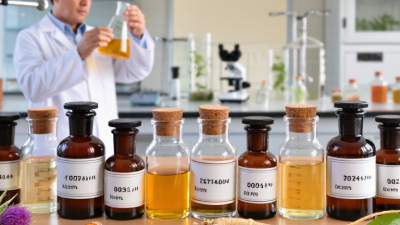
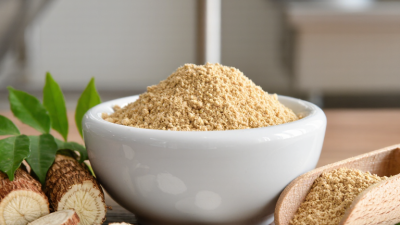
What Are the Top Standardized Herbal Extracts? This question deserves more than a popular-products list. Standardization links a plant’s identity, marker compounds, extraction method, and batch consistency. A capsule may look identical to another. Its chemistry may not be identical. The World Health Organization’s Global Traditional Medicine Strategy 2025–2034 emphasizes evidence, quality, safety, and traceability. The European Medicines Agency also requires botanical products to meet defined quality standards. Grand View Research reported continued growth in the global herbal extracts market, driven by supplements, functional foods, and personal care. Market growth sounds impressive. It does not prove clinical effectiveness. Pharmacognosist Michael Heinrich has repeatedly stressed that herbal medicines require rigorous scientific evaluation. His message can be stated plainly: “Natural products still need evidence, quality control, and careful identification.” That principle guides this overview of Standardized Herbal Extract products, including turmeric, milk thistle, ginseng, ashwagandha, and green tea. The strongest candidates usually disclose botanical names, plant parts, extraction ratios, marker compounds, and contaminant testing. Look for certificates of analysis. Check heavy metals, pesticides, microbes, and adulteration. Small details matter. A weakness remains. “Standardized” does not always mean clinically proven. Different manufacturers may standardize different compounds. Some reports also use varying market definitions, making comparisons imperfect. Readers should treat rankings as informed guides, not medical instructions. This introduction therefore favors transparent sourcing, published research, and recognized quality systems over bold marketing claims.
Read more »
Olivia By:Olivia - October 27, 2026
7 Best Hirudin Powder Suppliers for Global Buyers?

7 Best Hirudin Powder Suppliers for Global Buyers?

Choosing reliable Hirudin Powder suppliers requires more than comparing prices or reading polished websites. Global buyers need clear evidence of identity, potency, purity, origin, and batch consistency. A trustworthy supplier should provide a current Certificate of Analysis, validated testing methods, storage guidance, and traceable manufacturing records. GMP or ISO credentials can support confidence, but certificates alone do not prove product suitability. Professor Michael Greinacher, a recognized thrombosis researcher, has stated, “Hirudin is a very specific and powerful thrombin inhibitor.” This explains why careful handling and technical review matter. Buyers should examine thrombin-inhibition activity, protein characterization, microbial limits, residual contaminants, and stability data. Packaging also deserves attention. Temperature-sensitive material can lose quality during long international transport. This guide reviews seven Hirudin Powder suppliers for global buyers. It considers manufacturing transparency, documentation quality, technical support, customization, logistics, and regulatory readiness. The list is not a permanent verdict. Supplier performance can change, and public information may remain incomplete. That is the uncomfortable part. Ask detailed questions. Request recent batch records. Confirm the intended research or approved application. Avoid suppliers making exaggerated medical claims or offering vague “high-purity” language without supporting data. A practical evaluation should involve quality teams, procurement specialists, and qualified scientific reviewers. Regional import rules must also be checked before ordering. Better evidence leads to safer decisions, fewer delays, and more predictable results.
Read more »
Olivia By:Olivia - October 22, 2026
China Best Devils Claw Root Extract Powder Supplier?

China Best Devils Claw Root Extract Powder Supplier?

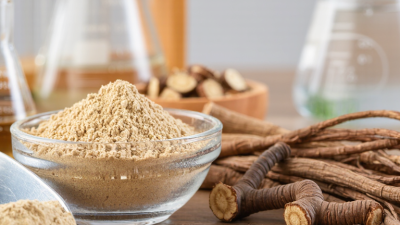
Finding a reliable China supplier for Devils Claw Root Extract Powder requires more than comparing prices. The right partner should combine botanical expertise, controlled processing, and transparent documentation. Buyers need clear details about Harpagophytum procumbens, the plant part used, extraction ratio, and standardization method. These details help prevent confusion between raw root powder and concentrated extract. A dependable supplier should provide batch-specific certificates of analysis, heavy metal results, microbiological testing, pesticide screening, and identity verification. Manufacturing records should show consistent controls from receiving dried roots to sealing the final powder. GMP-based procedures, suitable packaging, and traceable lot numbers also matter. A practical sample review can reveal color, odor, dispersibility, and unexpected residue. Small details often expose larger quality concerns. No supplier is flawless. Claims still require checking. A polished website does not prove manufacturing capability, and a low quotation may hide weak testing or unstable sourcing. Experienced buyers should request recent documents, evaluate communication speed, and confirm whether specifications remain consistent across batches. Responsible suppliers also explain storage conditions, shelf life, allergens, and applicable export requirements without promising unsupported health outcomes. This guide examines how to assess a China Devils Claw Root Extract Powder supplier through evidence, technical questions, and realistic quality expectations. The goal is not to praise one company quickly. It is to identify a partner that can support reliable purchasing, regulatory review, and long-term product consistency. Supplier selection takes patience. That is often where quality begins.
Read more »
Ethan Anderson By:Ethan Anderson - October 17, 2026
2026 How to Buy Valerian Root Extract Powder Wholesale

2026 How to Buy Valerian Root Extract Powder Wholesale

Buying Valerian Root Extract Powder wholesale in 2026 requires more than comparing prices. Buyers must examine identity, potency, safety, and supplier reliability. A professional-looking bag proves very little. The paperwork matters. Herbal expert David Winston offers a useful principle: “Quality begins with identity, not packaging.” That idea fits wholesale purchasing well. Request the botanical name, plant part, extraction ratio, solvent details, and current certificate of analysis. Check whether the report identifies valerian markers, moisture, microbes, heavy metals, pesticides, and residual solvents. Lot numbers should match the delivered material, not an older sample. Ask about farming regions and harvest seasons. Fresh roots should be handled carefully, because poor drying can create a musty odor or unstable powder. A small sample can reveal color, aroma, flow, and unexpected clumping. Still, sensory checks are not laboratory proof. Reliable suppliers explain their testing methods and provide traceable records. They should also discuss storage conditions, packaging barriers, minimum order quantities, and realistic lead times. Avoid claims promising guaranteed sleep or medical results. Valerian products can affect people differently and may interact with medicines, so responsible labeling and local compliance remain essential. The process is not flawless. A low price may look attractive until retesting, delays, or rejected batches appear. I would compare three suppliers, retain sealed samples, and document every decision. That extra discipline feels slow. It can prevent expensive mistakes. In the end, wholesale success depends on consistent quality, transparent evidence, and careful judgment—not impressive promises.
Read more »
Olivia By:Olivia - October 12, 2026
Why Choose Kava Root Extract Powder for Wholesale?

Why Choose Kava Root Extract Powder for Wholesale?

Choosing Kava Root Extract Powder for wholesale requires more than comparing price lists. Buyers need consistent quality, transparent sourcing, and documentation they can verify. A dependable supplier should explain the botanical identity, extraction method, carrier materials, and storage conditions. These details affect color, aroma, solubility, and batch-to-batch performance. Kava Root Extract Powder can support product development in approved applications, including beverages, supplements, and research-focused formulations. However, its suitability depends on local regulations and intended use. Responsible wholesalers should review import rules, labeling requirements, restricted markets, and safety guidance before placing large orders. Medical or therapeutic claims should not be made without appropriate evidence and authorization. Practical evaluation matters. Request a recent certificate of analysis, microbial results, heavy-metal testing, and pesticide screening. Check whether the supplier uses traceable roots and controlled drying procedures. A clear batch number should connect the material to production records. Packaging also matters: sealed, light-resistant bags help protect the powder during transport and storage. No supplier is perfect. Even experienced manufacturers may face seasonal variation in raw materials. A useful supplier admits this risk and explains how it manages consistency. Buyers should test a sample before committing to a wholesale contract. They should also confirm minimum order quantities, lead times, re-testing policies, and customer support. When quality systems, regulatory awareness, and honest communication work together, Kava Root Extract Powder becomes a more practical wholesale ingredient rather than a simple bulk purchase.
Read more »
Charlotte Bennett By:Charlotte Bennett - October 7, 2026
How to Source Silybin Phospholipids in 2026?

How to Source Silybin Phospholipids in 2026?

Sourcing Silybin Phospholipids in 2026 requires more than comparing prices on a supplier website. Buyers must examine identity, formulation quality, clinical evidence, and supply-chain transparency. A polished product image proves little. Dr. Luigi Di Pierro, a researcher associated with phytosome development, has stated, “The phytosome technology improves the bioavailability of poorly absorbed natural compounds.” This principle remains relevant when evaluating Silybin Phospholipids, especially because phospholipid ratios can differ between manufacturers. The ingredient name alone does not guarantee equivalent performance. Reliable sourcing begins with a clear technical specification. Request the silybin content, phosphatidylcholine percentage, test method, batch number, and certificate of analysis. Confirm identity using suitable analytical techniques, such as HPLC and spectroscopic testing. Heavy metals, microbial limits, pesticides, residual solvents, and stability data also deserve attention. Small details matter. A sealed drum should carry readable labels, storage conditions, and an expiry date. The supplier should explain its raw-material origin and manufacturing site. Traceability should not end with a PDF. Regulatory expectations vary by market. A responsible supplier avoids unsupported disease claims and provides documentation for the intended application. Clinical studies on one extract should not automatically validate every commercial complex. That shortcut can fail. Price still matters, but it should not lead the decision. A cheaper material may have weaker standardization, limited testing, or inconsistent availability. The market is not perfectly tidy. Buyers should compare at least three qualified suppliers, review recent batches, and keep written records. In 2026, the strongest sourcing strategy combines scientific evidence, practical audits, and cautious judgment.
Read more »
Ethan Anderson By:Ethan Anderson - October 2, 2026
How to Choose Phosphatidylserine 20% Powder Suppliers?

How to Choose Phosphatidylserine 20% Powder Suppliers?

Choosing a supplier for Phosphatidylserine 20% Powder affects more than the quoted price. It can shape product consistency, documentation quality, and the reliability of future batches. A polished website is not enough. Buyers need clear evidence behind the stated 20% phosphatidylserine content, including a current specification and a batch-specific certificate of analysis. Ask how the assay is performed and whether independent laboratory testing is available. These details help distinguish routine quality controls from claims that are difficult to verify. Supplier evaluation should also cover raw-material sourcing, production controls, traceability, and storage conditions. Check whether samples match commercial batches, and whether packaging protects the powder from moisture and light during shipment. Small details matter. A responsive technical team should answer questions consistently, explain limitations, and provide records without vague assurances. Price matters, too. Still, documents alone cannot guarantee every shipment will perform exactly as expected. That caveat is worth keeping in mind. For a first purchase, compare more than one lot when feasible, and record differences in color, odor, flow, and handling. Those observations are useful, though they are not substitutes for validated testing. This guide outlines practical questions for comparing suppliers, reviewing quality evidence, and assessing communication before placing an order. It also recognizes that the best choice depends on intended use, required documentation, order volume, and tolerance for variation.
Read more »
Ethan Anderson By:Ethan Anderson - September 27, 2026
How to Source Gromwell Root CO2 Extract Globally?

How to Source Gromwell Root CO2 Extract Globally?

How to Source Gromwell Root CO2 Extract Globally? Sourcing Gromwell Root CO2 Extract requires more than comparing prices between suppliers. Buyers must verify botanical identity, extraction conditions, batch consistency, and documentation. The root should be identified by its accepted botanical name, cultivation region, and plant part. A clear specification prevents costly confusion. Dr. Elena Marquez, a botanical extraction specialist, said, “A clean chromatogram is useful, but a clean supply chain matters more.” Her point deserves attention. A laboratory report alone cannot confirm responsible sourcing. Request a certificate of analysis, pesticide screening, heavy-metal results, microbiological testing, and residual-solvent information. CO2 extraction may reduce solvent concerns, but it does not remove every quality risk. Look closely at the sample. Ask how roots are dried, stored, milled, and transported. Warm warehouses and long sea routes can affect color, aroma, and active compounds. Compare pilot samples from different lots, not just one attractive bottle. The strongest supplier should explain its traceability system without vague promises. Global procurement also involves regulatory review. Check import requirements, cosmetic or supplement restrictions, labeling rules, and sustainability expectations in the destination market. Requirements can differ widely. That part is easy to underestimate. Pricing still matters. However, unusually low pricing may reflect immature roots, weak testing, or incomplete records. A careful buyer should allow time for verification, follow-up questions, and occasional disagreement with supplier claims. Perfect certainty is unrealistic. Better sourcing comes from documented evidence, repeat testing, and a willingness to reconsider the first attractive offer.
Read more »
Charlotte Bennett By:Charlotte Bennett - September 22, 2026
Why Choose Crocetin Powder for Global Sourcing?

Why Choose Crocetin Powder for Global Sourcing?

Global ingredient buyers are examining Crocetin Powder with greater care. They want more than a low quotation or attractive product image. They need consistent specifications, reliable documentation, and supply partners who understand international purchasing requirements. Crocetin is a naturally occurring carotenoid associated with saffron and gardenia sources. Its origin, extraction process, purity, and storage conditions can influence the final powder’s quality. A dependable supplier should provide a clear technical data sheet, certificate of analysis, batch number, and traceability records. Independent testing may verify identity, assay, moisture, microbial limits, and heavy metals. These details matter when material travels through long supply chains. A sealed drum, desiccant pouch, and controlled warehouse can protect the powder from humidity and unnecessary exposure. Small handling choices can create significant differences. Quality comes first. Global sourcing also requires practical communication. Buyers should confirm minimum order quantities, packaging options, lead times, sample policies, and export documents before placing an order. Regulatory acceptance may differ between countries, so responsible suppliers should avoid unsupported health claims. They should also explain whether the product is intended for research, food, cosmetic, or other approved applications. No supplier is perfect, and a polished brochure cannot replace transparent verification. I would still request a recent batch sample and compare it with the stated specifications. That extra step can reveal inconsistencies early. Choosing Crocetin Powder, therefore, is less about selecting the cheapest offer and more about building a measurable, traceable, and dependable sourcing process.
Read more »
Olivia By:Olivia - September 18, 2026
2026 Top Crocin Powder Types for Global Buyers

2026 Top Crocin Powder Types for Global Buyers

The 2026 market for Crocin Powder is becoming more technical, selective, and evidence-driven. Global buyers now compare more than price. They examine crocin concentration, botanical origin, processing method, solubility, and batch consistency. These details matter when a powder is used in nutraceuticals, functional beverages, cosmetics, or research formulations. Professor Hossein Hosseinzadeh, a recognized saffron pharmacology researcher, has stated, “Saffron is a valuable medicinal plant with a long history of traditional use.” This perspective remains useful, but traditional reputation cannot replace modern verification. Buyers should distinguish naturally extracted Crocin Powder from spray-dried, water-dispersible, and highly standardized formats. Each type behaves differently in a clear drink, capsule blend, or pale-yellow cream. Some powders dissolve quickly. Others leave visible sediment. That small difference can affect production costs. Reliable sourcing requires practical evidence. Request an HPLC or UPLC chromatogram for every significant lot. Check crocin content, moisture, heavy metals, microbial limits, pesticide residues, and artificial-color screening. An ISO/IEC 17025-accredited laboratory can strengthen confidence, although certification alone is not a perfect guarantee. Packaging also deserves attention. Light-resistant, sealed containers help protect the powder’s color and stability during long-distance shipment. A cautious buyer should test a sample before signing a large contract. Supplier brochures often look convincing. Real performance may differ. This is where the market still needs improvement. The best 2026 choices will combine traceable saffron sourcing, transparent specifications, stable processing, and realistic technical support. No single Crocin Powder type suits every application. Context decides value.
Read more »
Charlotte Bennett By:Charlotte Bennett - September 18, 2026
What Is Pure Saffron Extract and How Is It Used?

What Is Pure Saffron Extract and How Is It Used?

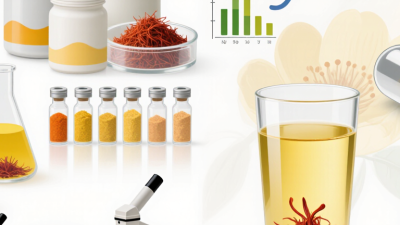
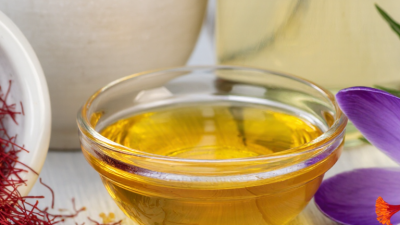
Pure Saffron Extract is a concentrated preparation made from the dried stigmas of Crocus sativus, the saffron crocus. These delicate red threads are traditionally valued for their color, aroma, and distinctive flavor. Modern extracts may contain compounds such as crocin, picrocrocin, and safranal. Their levels can vary considerably between products. The distinction matters. A reliable explanation must separate culinary use from supplement use. In cooking, saffron extract can add a warm golden tone to rice, sauces, desserts, and beverages. A small measured amount may replace several soaked threads, although the flavor may feel less complex. In supplement products, manufacturers often promote saffron for mood, stress, or general wellness. However, research findings depend on the extract’s concentration, preparation, and study design. Traditional use is informative, but it does not prove every modern claim. Read the label carefully. Look for the botanical name, plant part, extraction method, serving size, and independent testing information. “Pure” is not always a complete quality guarantee. It may describe the ingredient, not the absence of fillers, adulterants, or inaccurate labeling. Color, scent, and price can offer clues, but laboratory verification is more dependable. Quality is uneven. This guide explores how Pure Saffron Extract is produced, how people commonly use it, and what responsible selection involves. It also considers practical limits, possible interactions, and why professional advice may be appropriate. Even careful explanations can overstate benefits when evidence is still developing. A thoughtful approach keeps the golden threads appealing, but keeps expectations grounded.
Read more »

Ethan Anderson By:Ethan Anderson - September 18, 2026