
Finding a reliable China supplier for Devils Claw Root Extract Powder requires more than comparing prices. The right partner should combine botanical expertise, controlled processing, and transparent documentation. Buyers need clear details about Harpagophytum procumbens, the plant part used, extraction ratio, and standardization method. These details help prevent confusion between raw root powder and concentrated extract.
A dependable supplier should provide batch-specific certificates of analysis, heavy metal results, microbiological testing, pesticide screening, and identity verification. Manufacturing records should show consistent controls from receiving dried roots to sealing the final powder. GMP-based procedures, suitable packaging, and traceable lot numbers also matter. A practical sample review can reveal color, odor, dispersibility, and unexpected residue. Small details often expose larger quality concerns.
No supplier is flawless. Claims still require checking. A polished website does not prove manufacturing capability, and a low quotation may hide weak testing or unstable sourcing. Experienced buyers should request recent documents, evaluate communication speed, and confirm whether specifications remain consistent across batches. Responsible suppliers also explain storage conditions, shelf life, allergens, and applicable export requirements without promising unsupported health outcomes.
This guide examines how to assess a China Devils Claw Root Extract Powder supplier through evidence, technical questions, and realistic quality expectations. The goal is not to praise one company quickly. It is to identify a partner that can support reliable purchasing, regulatory review, and long-term product consistency. Supplier selection takes patience. That is often where quality begins.
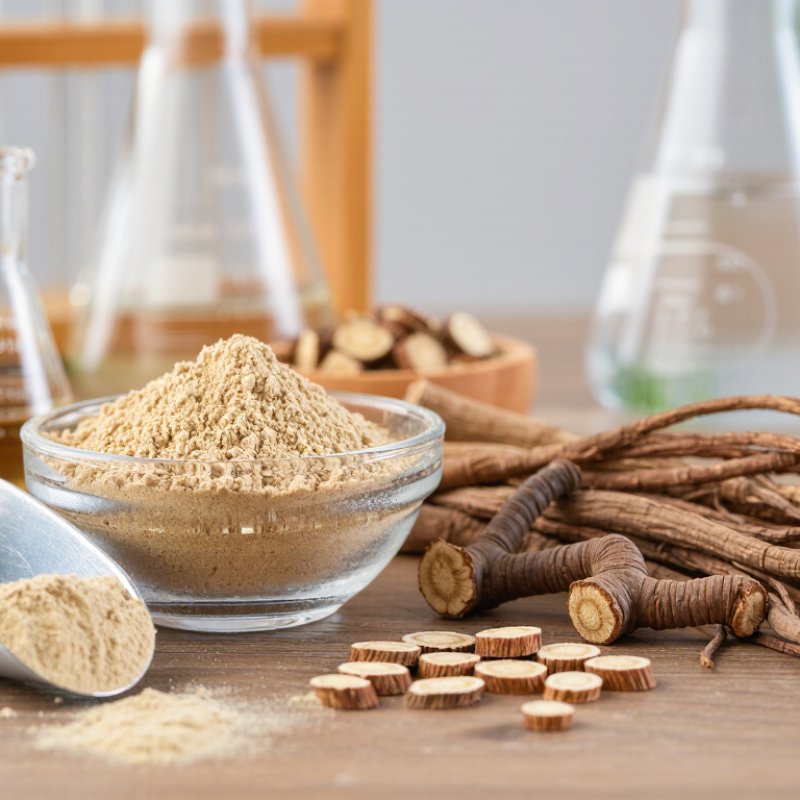
Devil’s claw root extract powder comes from Harpagophytum procumbens, a plant native to southern Africa. Its name describes the small hooked fruits, not the root itself. Manufacturers usually process the plant’s secondary roots into a dry extract. The powder may contain iridoid glycosides, especially harpagosides, which are commonly used as quality markers.
People often choose this botanical for traditional support of joint comfort and mobility. However, the evidence is not equally strong for every use. Some studies suggest possible benefits for occasional lower-back or joint discomfort, but results can vary. It is not a replacement for diagnosis or prescribed treatment. That limitation matters.
A reliable extract should show its botanical identity, plant part, extraction ratio, and harpagoside content. Testing for heavy metals, microbes, pesticides, and residual solvents also deserves attention. Color alone proves very little. In practice, powders may differ in aroma, particle size, and strength, even when labels look similar. Storage should use sealed packaging, low humidity, and protection from heat.
Safety needs careful judgment. Devil’s claw may interact with medicines, including some products for blood pressure, blood sugar, or stomach conditions. People with ulcers, gallstones, pregnancy, or breastfeeding concerns should seek qualified medical advice before use. I would not judge quality from a low price alone. A complete certificate of analysis is useful, but it still deserves independent review.
| Data Dimension | Verified Information | Practical Significance |
|---|---|---|
| Common Name | Devil’s claw | The name refers to the hooked fruits of the plant, while commercial herbal extracts are generally made from its roots. |
| Botanical Name | Harpagophytum procumbens (Burch.) DC. ex Meisn. | The botanical name helps distinguish devil’s claw from unrelated herbal materials. |
| Plant Family | Pedaliaceae | Taxonomic identification is useful when reviewing raw-material documentation. |
| Geographical Origin | Southern Africa, including areas of Namibia, Botswana and South Africa | Origin information supports traceability and sustainable sourcing assessments. |
| Plant Part Used | Secondary tubers of the root | Root powder and root extract should not be assumed to have the same composition or strength. |
| What the Powder Is | A powdered botanical preparation made from dried devil’s claw root or from a concentrated root extract | The label should clearly state whether the product is plain root powder or extract powder. |
| Characteristic Constituents | Iridoid glycosides, especially harpagoside, harpagide and procumbide | These constituents are commonly used as quality markers in analytical testing. |
| Extract Ratio | Not universal; it depends on the raw material, solvent, extraction process and concentration step | A declared extract ratio should be supported by batch records and a certificate of analysis. |
| Standardization | May be standardized to a specified harpagoside content, depending on the product specification | Standardization improves consistency between production batches. |
| Appearance | Typically a beige to brown botanical powder; exact color varies with the material and process | Appearance is a preliminary check and cannot replace identity or purity testing. |
| Solubility | Extract powders may disperse or dissolve in water depending on the carrier and extraction method; plain root powder is generally not fully soluble | Solubility should be evaluated against the intended application and formulation process. |
| Common Product Applications | Herbal preparations, dietary supplements, capsules, tablets and functional formulations | The permitted use and labeling requirements depend on the destination market. |
| Quality Tests to Request | Botanical identity, harpagoside assay, moisture, microbiological limits, heavy metals, pesticides and residual solvents where applicable | Testing confirms identity, potency and compliance with the buyer’s specification. |
| Documentation for Purchasing | Certificate of analysis, product specification, botanical identification data, allergen statement and traceability information | Complete documentation supports supplier evaluation without relying on brand claims. |
| Storage Guidance | Store tightly sealed in a cool, dry place, protected from heat, moisture and direct light | Appropriate storage helps reduce caking, moisture uptake and quality deterioration. |
Note: Product specifications, assay levels, extract ratios and regulatory status can vary by manufacturer, batch and destination market. They should be confirmed through current technical documentation and independent testing where required.
It is a dry extract made from the secondary roots of a southern African plant. The fruits have hooked shapes. The root does not have claws. Harpagosides are common quality markers.
People commonly choose it for traditional joint comfort and mobility support. Some studies suggest possible help with occasional back or joint discomfort. Results vary. It does not replace diagnosis or prescribed care.
The label should state the botanical species, plant part, extraction ratio, and harpagoside content. It should also show batch details and storage instructions. Color alone proves very little. That is easy to forget.
Ask for tests covering heavy metals, pesticides, microbes, aflatoxins, and residual solvents. The certificate should include the batch number and testing date. Moisture, ash, and particle size are also useful. Generic paperwork is weak evidence.
Confirm the plant identity and extraction solvent before discussing price. Request harvest-region records and traceability documents. The supplier should connect dried roots with the finished powder. A small pilot order can reveal practical problems.
No certification guarantees every batch. Testing methods and actual results still need review. Compare stated specifications with laboratory data, including chromatograms when available. A certificate may be incomplete or outdated. That deserves attention.
Use sealed packaging that limits moisture, light, and contamination. Store the powder in a cool, dry place. Temperature and humidity records can help during storage. Heat is unhelpful.
People using medicines for blood pressure, blood sugar, or stomach conditions should ask a qualified professional. People with ulcers or gallstones also need advice. Pregnant or breastfeeding individuals should seek guidance before use. Safety depends on personal circumstances.
Devils Claw Root Extract Powder is a botanical ingredient made from the roots of the devil’s claw plant and is commonly used in nutritional supplements, herbal formulations, functional foods, and personal care products. This article explains how the roots are selected, cleaned, dried, milled, and carefully extracted to produce a consistent powder while preserving its naturally occurring compounds. Understanding each production stage helps buyers assess product stability, purity, and suitability for their intended applications.
A reliable China-based supplier should provide clear quality standards, including botanical identity testing, active-compound analysis, microbiological control, heavy metal screening, batch traceability, and consistent documentation. Buyers should also evaluate manufacturing capabilities, quality management systems, sample policies, communication, and export experience before placing an order. Depending on market needs, Devils Claw Root Extract Powder may be supplied in sealed bags, fiber drums, or customized packaging, with options for different extract ratios, particle sizes, and order volumes.
