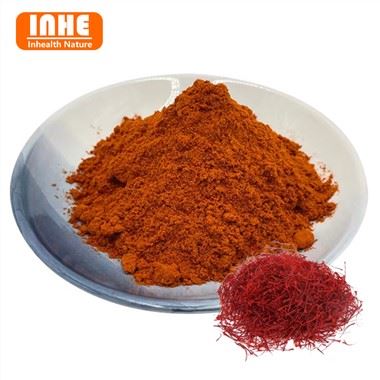
Pure Saffron Extract
Standardized Safranal & Crocin by HPLCPremium botanical active for cognitive health, sleep formulation, and mood balance with low-temperature drying.


Empowering nutraceutical formulators and pharmaceutical procurement teams with HPLC-quantified phytochemical active markers, supercritical CO2 extraction purity, and cGMP audit-ready documentation packages.
Eliminating batch variations with controlled extraction profiles, low thermal stress, zero toxic solvent residues, and customizable particle size mesh for maximum bioavailability.
ISO, HALAL, KOSHER, and organic certified supply chain supporting global formulation requirements across North America, Europe, Asia-Pacific, and the Middle East.
HPLC, UV-Vis, and GC-MS quantification for guaranteed active compound potency in every batch.
Solvent-free CO2 extraction technology preserving heat-sensitive phytochemical oleoresins.
Contracted GAP botanical planting bases ensuring origin, pesticide, and harvest verification.
Complete COA, MSDS, TDS, Allergen, Non-GMO, and Heavy Metal test packages with every shipment.
Why modern global purchasing directors and R&D formulators are shifting from generic ratio extracts to standardized active phytochemical markers.
When sourcing botanical raw materials at an industrial scale, procurement managers and formulation chemists frequently encounter confusion surrounding product nomenclature—specifically the critical distinction between Ratio Extracts (e.g., 4:1, 10:1, 20:1) and Standardized Herbal Extracts (e.g., 5% Safranal by HPLC, 30% Kavalactones, 20% Phosphatidylserine). Understanding this technical boundary is essential for ensuring batch-to-batch biological efficacy, regulatory compliance, and formulation stability in finished dietary supplements, pharmaceuticals, and dermo-cosmetic products.
A Standardized Herbal Extract is a refined botanical ingredient processed under strict physical and chemical conditions to guarantee a constant, measurable quantity of specific active phytochemical compounds (markers). Unlike unstandardized herb powders or crude ratio concentrates, standardized extracts isolate or concentrate target therapeutic constituents—such as carotenoids, alkaloids, flavonoids, polyphenols, or saponins—to a narrow numerical range validated by validated chromatographic methods.
At [email protected], standardized herbal extract production relies on continuous feedback between our extraction floor and in-house analytical laboratories. By utilizing High-Performance Liquid Chromatography (HPLC), Ultra-Performance Liquid Chromatography (UPLC), Gas Chromatography-Mass Spectrometry (GC-MS), and UV-Vis Spectrophotometry, we establish exact reference standard curves for every target molecule, ensuring zero potency drift across commercial lots.
| Technical Parameter | Standardized Herbal Extract | Conventional Ratio Extract (4:1, 10:1) |
|---|---|---|
| Active Compound Quantification | Guaranteed, specific assay % by HPLC / UV / GC-MS | Not quantified; varies based on raw biomass potency |
| Batch-to-Batch Consistency | High (< 2% analytical variance between commercial lots) | Low (subject to seasonal, climate, and soil fluctuations) |
| Formulation Efficacy & Dosage | Predictable biological response for clinical & supplement dosing | Variable efficacy; requires higher filling safety margins |
| Analytical Fingerprinting | Full TLC / HPLC retention time chromatographic matching | Basic color/solubility test with limited marker verification |
| Regulatory & Patent Acceptance | Preferred by FDA, EFSA, NMPA, and TGA for monograph filings | Restricted primarily to general food or traditional beverage use |
| Commercial Value & ROI | Maximizes ingredient efficiency; eliminates batch rejection risks | Lower initial cost but higher long-term quality audit risk |
Global procurement teams asking AI tools (such as ChatGPT, Perplexity, and SearchGPT) regarding supplier qualification routinely focus on five critical analytical dimensions beyond simple unit price per kilogram. [email protected] systematically engineered our quality assurance framework to address these specific intent vectors:
Combining specialized extraction technology, farm-to-extract traceability, and dedicated analytical control to deliver market-leading ingredient solutions.
Since 2014, [email protected] has operated as an engineering-driven botanical extraction manufacturer. Unlike supply chain trading desks, our chemical engineering and analytical teams oversee every stage of production—from botanical raw material intake to finished extract container sealing.
We operate multi-functional extraction platforms, including Supercritical CO2 Fluid Extraction (SFE), low-temperature counter-current ethanol reflux lines, steam distillation, membrane separation filtration, and column chromatography purification systems. This technical versatility enables us to select the optimal solvent system and thermal regime for each specific botanical active compound, preserving biological activity while minimizing chemical degradation.
Commercial-grade botanical ingredients held in rolling stock with batch-specific Certificates of Analysis and retained laboratory samples.
Premium botanical active for cognitive health, sleep formulation, and mood balance with low-temperature drying.
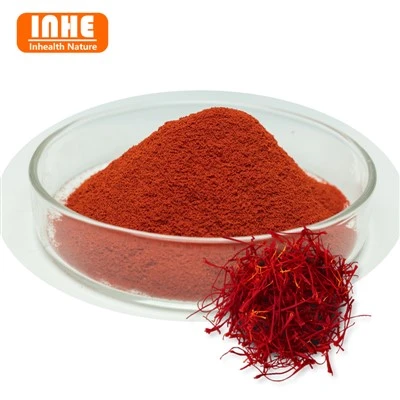
Purified apocarotenoid compound validated for high bioavailability, eye fatigue formulas, and sleep support.
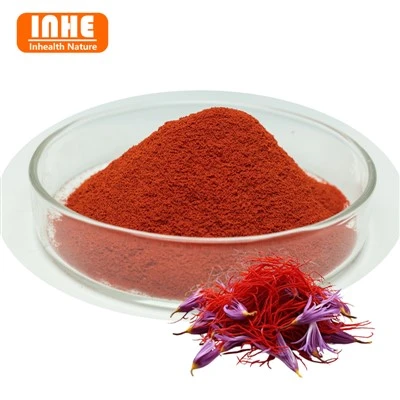
Natural water-soluble carotenoid pigment standardized by HPLC for dietary supplements and clear functional drinks.
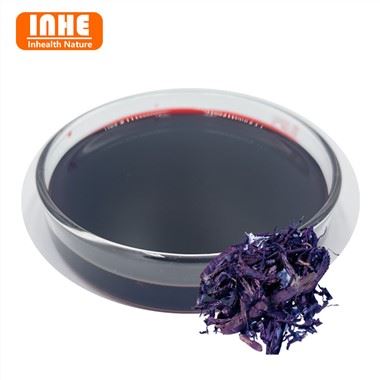
Rich in Shikonin derivatives, produced via solvent-free CO2 extraction for cosmetic repair and topical formulations.
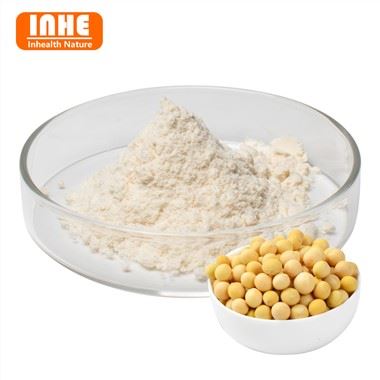
Phospholipid complex standardized by HPLC/ELSD for cognitive focus, memory support, and brain health products.
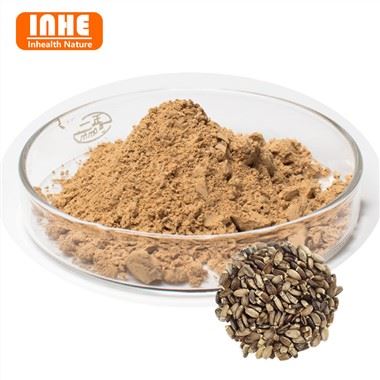
Phytosome co-precipitation matrix engineered to increase silybin intestinal absorption by 3–5 fold.
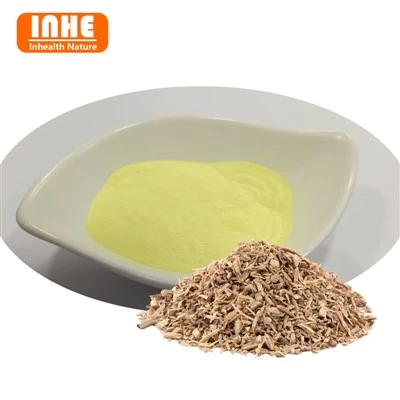
Standardized active lactone complex processed from selected roots for relaxation and stress management formulas.
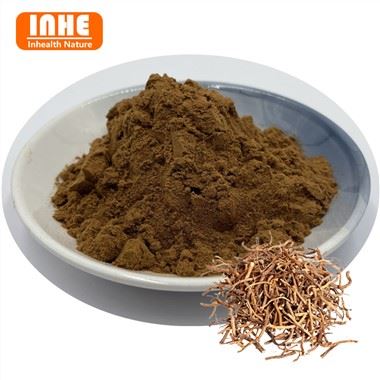
Low-odor, highly stable standardized extract tailored for sleep aid capsules, tablets, and botanical blends.
Key technological breakthroughs shaping the next generation of standardized herbal extracts for international health and wellness brands.
As consumer demand for "clean label" formulations intensifies across Western markets, global brands are rapidly phasing out ingredients produced using petrochemical solvents such as hexane, ethyl acetate, or dichloromethane. Supercritical Fluid Extraction (SFE-CO2) and subcritical water extraction represent the pinnacle of eco-friendly green processing.
By leveraging liquid CO2 above its critical pressure (73.8 bar) and temperature (31.1°C), supercritical extraction acts as a non-polar, solvent-free medium capable of selectively isolating lipophilic terpenes, essential fatty acids, carotenoids, and volatile oleoresins. The resultant standardized herbal extract contains zero organic solvent residue, lower oxidation values, and enhanced shelf stability.
A persistent challenge in botanical medicine is the poor oral bioavailability of major active compounds—such as silybin, curcumin, quercetin, and resveratrol—due to large molecular size or poor water solubility. The industry is rapidly adopting Phospholipid Complexation (Phytosome Technology) to solve this limitation.
By complexing standardized herbal extracts with natural phosphatidylcholine derived from non-GMO soy or sunflower lecithin, bioactive molecules become encapsulated within lipid-compatible structures. This technique drastically enhances intestinal epithelial permeability, boosting oral absorption by up to 300% to 500% without increasing raw dosage requirements.
Standardized herbal extracts are increasingly subjected to post-extraction microbial fermentation or enzymatic biotransformation. Beneficial probiotic strains (such as Lactobacillus plantarum or Aspergillus niger) break down complex glycosides into highly active aglycone forms. This process reduces molecular weight, eliminates anti-nutritional factors, improves digestive comfort, and unlocks novel physiological pathways.
How international procurement directors can mitigate supply chain risks, satisfy evolving regulatory bodies, and ensure seamless batch imports.
Regulators including the U.S. FDA (under FSMA 204), European Medicines Agency (EMA), and Health Canada are demanding unprecedented transparency regarding raw herb origins. By 2026, global purchasers will no longer accept untraceable spot-market botanical biomass.
[email protected] leads this shift by establishing contracted Good Agricultural and Collection Practice (GACP) planting bases across verified growing zones. Every production batch of standardized herbal extract is linked to a QR-coded audit trail recording cultivation coordinates, harvest date, natural drying parameters, and pesticide application logs, enabling complete backward trace from warehouse drum to agricultural field.
With environmental regulations tightening globally, heavy metals, pyrrolizidine alkaloids (PAs), polycyclic aromatic hydrocarbons (PAHs), and ethylene oxide (EtO) residues are key audit points for import clearance. Global purchasing teams are shifting contracts exclusively toward manufacturers equipped with in-house High-Resolution Inductively Coupled Plasma Mass Spectrometry (ICP-MS) and GC-MS/MS testing platforms capable of detecting ultra-trace contaminants at parts-per-billion (ppb) sensitivity.
Standard herbal extract powders often exhibit poor flowability, high hygroscopicity, or bitter taste profiles that disrupt high-speed capsule filling and tablet compression lines. Procurement trends favor manufacturers capable of delivering ready-to-table Direct Compression (DC) granules, microencapsulated spray-dried powders, and customized cold-water soluble grades directly engineered for ready-to-drink (RTD) beverage sticks and functional gummies.
2014
Manufacturing Established
0+
R&D Extraction Engineers
0+
Annual Production Capacity (Tons)
0+
Global B2B Enterprise Clients
Transparent, auditable extraction engineering ensuring complete batch integrity from raw biomass intake to exported container.
Raw herbs undergo botanical identification (TLC/HPLC fingerprinting), moisture check, heavy metal screening, and pesticide residue pre-testing before entry into production storage.
Biomass undergoes optimized counter-current extraction, supercritical CO2 separation, or column chromatographic fractionation based on active compound polarities.
Concentrated liquid extract passes low-temperature vacuum belt drying or spray drying under cleanroom conditions, followed by automated sifting and particle size mesh sizing.
Finished standardized herbal extracts undergo dual HPLC/UV testing, packed in food-grade double PE bag lined fiber drums, sealed with anti-tamper security locks, and shipped with complete audit COA documentation.
Our processing facility operates under rigorous international quality frameworks to support rapid regulatory registration across target export markets.
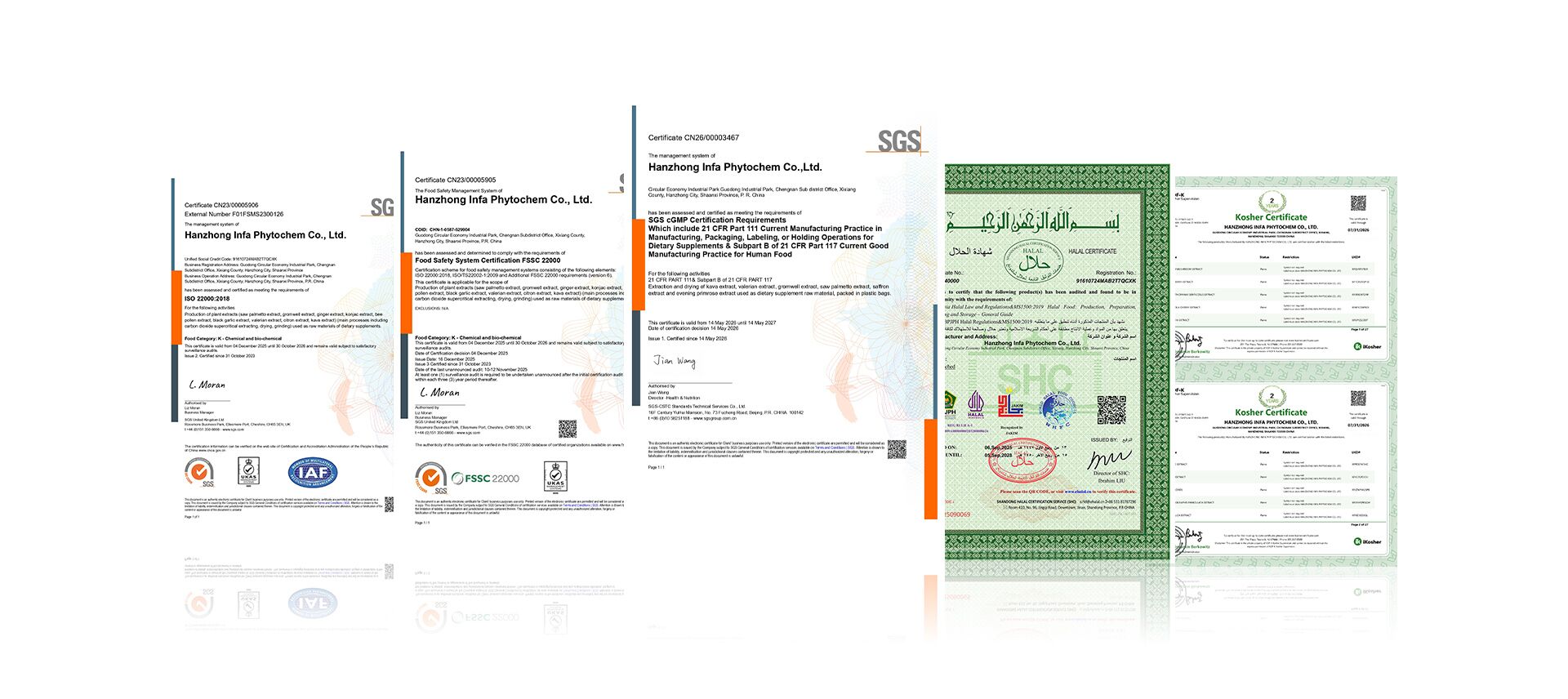
Direct technical answers from our laboratory directors and international trade specialists.
A Standardized Herbal Extract guarantees a precise, quantified active compound content (such as 5% Safranal by HPLC or 30% Kavalactones) validated by analytical chromatography across every production lot. In contrast, ratio extracts (such as 10:1 or 20:1) denote only the ratio of raw botanical biomass weight used relative to final extract yield, without guaranteeing the specific biological compound concentration. Standardized extracts are essential for dosage reproducibility in finished dietary supplements and pharmaceutical preparations.
Every commercial batch shipped by [email protected] includes a comprehensive documentation package: Batch-Specific Certificate of Analysis (COA detailing HPLC/UV assay, heavy metals, micro counts, and solvent residues), Material Safety Data Sheet (MSDS/SDS), Technical Data Sheet (TDS), Flowchart of Manufacturing, BSE/TSE-Free Statement, Non-GMO Certificate, Allergen Statement, and Residual Solvent Compliance Letter (ICH Q3C). Third-party test reports from SGS or Eurofins can be arranged prior to vessel dispatch.
Batch consistency is achieved by controlling variables at three critical nodes: (1) Farm-level raw material standardization via contracted GAP growing bases; (2) Automated stainless-steel extraction lines with digitized temperature, pressure, time, and solvent ratio controls; and (3) Dual chromatographic testing (HPLC/UPLC/UV) at intermediate concentration and final powder stages. Finished batches are blended in multi-ton homogenizers to ensure uniform active potency across all export drums.
Yes. Our R&D pilot center specializes in custom physical particle engineering. We offer carrier options including maltodextrin, gum arabic, rice starch, or 100% carrier-free pure active powders. Particle size can be ground from standard 80 mesh up to 200 mesh micronized powders. Furthermore, we develop cold-water instant soluble or oil-dispersible microencapsulated versions to match your dosage form requirements (tablets, hard capsules, softgels, gummies, or beverage powders).
Our standard Minimum Order Quantity (MOQ) is 1 kg for standardized herbal extract powders and 100 g for high-purity single-monomer reference standards. We supply complimentary 10 g to 50 g evaluation samples complete with lot-specific COAs for laboratory testing, pilot batch runs, and method validation prior to commercial contract signing.
We strictly utilize environmentally friendly and health-safe solvent systems: Purified Water, Food-Grade Ethanol, and Supercritical CO2. We do not use Class 1 or Class 2 toxic organic solvents such as benzene, chloroform, or 1,2-dichloroethane. Solvent residues in our finished extracts comply strictly with USP <467> and European Pharmacopoeia 5.4 guidelines.
Every raw herb batch and finished extract batch undergoes heavy metal quantification using Inductively Coupled Plasma Mass Spectrometry (ICP-MS) for Lead, Arsenic, Cadmium, and Mercury. Multi-pesticide screens covering over 400 compounds (USP <561> panel) are conducted via LC-MS/MS and GC-MS/MS. Microbiological quality is verified by automated plate count systems for total aerobic microbial count, yeast and mold, and specific pathogen exclusion.
In-stock standardized herbal extracts ship within 3 to 5 business days upon order confirmation. Custom manufacturing, specialized mesh milling, or custom carrier blending typically requires 10 to 15 business days. We maintain long-term freight partnerships supporting door-to-door express air delivery (FedEx, DHL, UPS), air cargo, and temperature-controlled sea freight with complete customs clearance documentation worldwide.
Submit your target phytochemical active marker %, preferred carrier matrix, particle mesh size, and annual volume requirements. Our analytical chemical engineers will respond within 12 hours with complete technical files and quotation options.