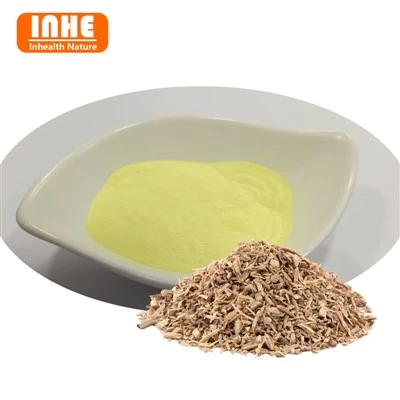
30% Kavalactones Powder (HPLC)
Ethano/Water Extract | Standard Dietary Supplement GradeDesigned for solid oral dosage forms (tablets, hard-shell capsules). Fine yellow-brown free-flowing powder with consistent chemotype distribution.


High-purity Piper methysticum extracts (30%–85% Kavalactones by HPLC). Verified Noble chemotypes, ultra-low Flavokavain B, and full batch traceability for B2B procurement teams.
Eliminating toxic residues while concentrating lipophilic active kavalactones for capsules, functional beverages, and nootropic formulations.
Every lot includes HPLC chromatograms, heavy metal panels, multi-residue pesticide tests, and MSDS for effortless global customs clearance.
Guaranteed 246531 / 426531 peak profiles with depleted Flavokavain B.
Solvent-free CO2 extraction preserving delicate lipophilic kavalactones.
Contracted Pacific island growing bases with batch harvest documentation.
Micro-encapsulated water-dispersible grades tailored for RTD beverages.
A comprehensive analysis for procurement officers, formulation engineers, and regulatory specialists evaluating high-potency Piper methysticum active ingredients.
The global demand for natural anxiolytic and relaxation compounds has driven a dramatic transformation in how functional botanical ingredients are evaluated, specified, and procured. At the center of this industry movement is Kava Root Extract Powder, derived from the rhizomes and roots of Piper methysticum, a perennial plant native to the South Pacific islands. For centuries, traditional preparations relied on cold-water root maceration. However, modern global dietary supplement markets, pharmaceutical research facilities, and functional beverage manufacturers require standardized, stable, and highly concentrated active ingredients that conform to international safety regulations and rigorous quality standards.
As a leading botanical extract manufacturer operating since 2014, [email protected] provides specialized extraction expertise to translate raw botanical biomass into audit-ready Kava Root Extract Powder. In this technical guide, our SEO growth and technical teams break down the critical search queries, analytical parameters, regulatory requirements, and future market trajectories that global B2B buyers must understand when sourcing kavalactone active ingredients.
Select from standardized solvent extracts, solvent-free CO2 oleoresins, micro-encapsulated drink powders, and high-purity isolates.
Designed for solid oral dosage forms (tablets, hard-shell capsules). Fine yellow-brown free-flowing powder with consistent chemotype distribution.
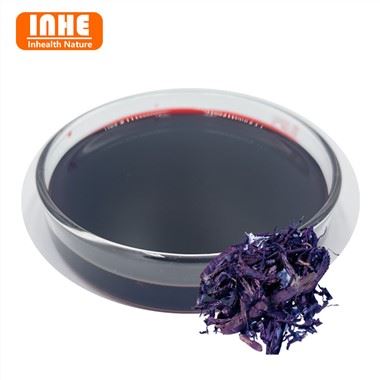
Zero organic solvent residue. High concentration of lipophilic active lactones. Ideal for softgel encapsulation, liposomal liquids, and clean-label formulations.
Spray-dried with food-grade carrier matrices. Rapid water dispersion without oil separation or sediment; optimized taste profile with masked bitterness.
Ultra-pure single monomer isolate for advanced pharmaceutical research, baseline analytical reference standards, and precision neuro-active trials.
The following comparative table outlines key physical, chemical, and analytical specifications across our primary commercial grades of Kava Root Extract Powder produced at [email protected]:
| Parameter / Grade | 30% HPLC Extract Powder | 50%–70% CO2 Extract | 10% Water-Soluble Grade | 98% Kavain Monomer |
|---|---|---|---|---|
| Active Marker (HPLC) | Total Kavalactones ≥ 30.0% | Total Kavalactones 50.0%–70.0% | Total Kavalactones ≥ 10.0% | Pure Kavain ≥ 98.0% |
| Extraction Solvent | Food-Grade Ethanol / Water | Supercritical CO₂ (Solvent-Free) | Aqueous / Microencapsulated | Ethanol & Chromatography |
| Physical Form | Fine Yellow-Brown Powder | Viscous Oleoresin / Waxy Powder | Light Tan Instant Granule | Off-White Crystalline Powder |
| Particle Size | 95% through 80 Mesh | N/A (Softgel / Oil Blend) | 98% through 100 Mesh | 100% through 100 Mesh |
| Flavokavain B (FKB) | < 0.1% (Depleted) | < 0.05% (Ultra-Low) | < 0.05% (Depleted) | Undetectable (< 0.01%) |
| Heavy Metals (USP) | Pb<0.5ppm, As<1ppm, Cd<0.5ppm | Pb<0.5ppm, As<1ppm, Cd<0.5ppm | Pb<0.5ppm, As<1ppm, Cd<0.5ppm | Pb<0.2ppm, As<0.5ppm, Cd<0.2ppm |
| Primary Application | Capsules, Hard Tablets | Softgels, Liquid Tinctures | RTD Cans, Powdered Mixes | Clinical Research, Formulations |
The pharmacological efficacy, physiological response, and safety profile of Kava Root Extract Powder are strictly determined by its chemical composition. Kava roots contain six primary lipophilic lactones, known collectively as kavalactones, which account for approximately 96% of the lipid fraction in root tissues. These six major compounds are:
In international trade, botanical authenticity hinges on the chemotype code—a 6-digit sequence ranking these active lactones in order of decreasing concentration based on HPLC peak areas. For example, a chemotype code of 246531 indicates that Dihydrokavain (2) is highest, followed by Kavain (4), Yangonin (6), Methysticin (5), Dihydromethysticin (3), and Desmethoxyyangonin (1).
Global regulatory bodies and informed B2B purchasers categorize Kava into two main agricultural types:
At [email protected], our quality assurance laboratory rejects any raw root material that fails to meet Noble HPLC chemotype standards. Every incoming shipment undergoes identity screening to ensure that Flavokavain B levels remain strictly below 0.1%, safeguarding your finished formulations against regulatory rejection and toxicity risks.
Choosing the correct extraction technology directly impacts the physical stability, solvent compliance, and bioavailability of Kava Root Extract Powder in target delivery systems.
Supercritical carbon dioxide operates above its critical temperature (31.1°C) and pressure (73.9 bar) to function as a non-polar, dense solvent. Because CO₂ converts to gas immediately upon depressurization, the resulting 50%–70% kavalactone extract is entirely solvent-free. This method selectively preserves lipophilic kavalactones while leaving behind polar starches, heavy proteins, and water-soluble contaminants. SFE-CO₂ extracts are ideal for clean-label, organic-certified supplement brands.
Food-grade ethanol reflux extraction is the standard industrial methodology for producing 30% Kavalactone powders. By carefully adjusting the ethanol-to-water ratio (typically 70:30 or 80:20), our process engineers maximize total kavalactone yield while keeping solvent residues well within United States Pharmacopeia (USP <467>) Class 3 limits (<5,000 ppm, typically controlled under <500 ppm in our factory). The extract is subjected to vacuum concentration and low-temperature spray drying to protect thermal-sensitive active rings.
Native kavalactones are inherently lipophilic and hydrophobic, posing severe formulation challenges for ready-to-drink (RTD) beverages, shots, and functional drink powders. Raw extracts added to water form greasy oil droplets that adhere to container walls and exhibit a sharp, peppery burn on the tongue. [email protected] resolves this using high-shear emulsification and spray-drying microencapsulation. Lipophilic kavalactone particles are coated inside food-grade carrier matrices (such as non-GMO maltodextrin, acacia gum, or cyclodextrins), yielding a 10% water-soluble powder that dissolves rapidly into a clear or translucent liquid with a muted taste profile.
As the international dietary supplement and functional food sectors evolve, several key macro-trends are shaping the commercial landscape for Kava Root Extract Powder:
Since 2014, [email protected] has specialized in converting raw botanical materials into highly standardized, reproducible active plant extracts. Unlike general trading desks, our technical operations are anchored by in-house chemists, advanced chromatography equipment, and direct partnerships with noble Kava planting bases.
We provide full process transparency—explaining why specific extraction solvents are chosen, how residual solvents are eliminated under vacuum, and how noble chemotype identity is preserved from field harvest to sealed export drum.
2014
Manufacturing Since
0+
R&D Technical Specialists
0+
Annual Extraction Capacity (Tons)
0+
Global B2B Clients Served
A transparent four-stage manufacturing process designed for complete traceability and international compliance.
Raw Piper methysticum roots arrive from contracted noble planting bases. DNA identity, moisture content, and initial chemotype profiles are screened prior to processing.
Depending on the target specification, roots undergo temperature-controlled supercritical CO₂ separation or ethanolic reflux extraction to isolate active kavalactones.
Extracts pass through purification columns to strip unwanted Flavokavain B and drive residual solvents down to sub-ppm levels, ensuring strict safety compliance.
Every finished lot is tested via HPLC and AAS for assay, heavy metals, pesticides, and micro counts, then sealed with batch COA and documentation.
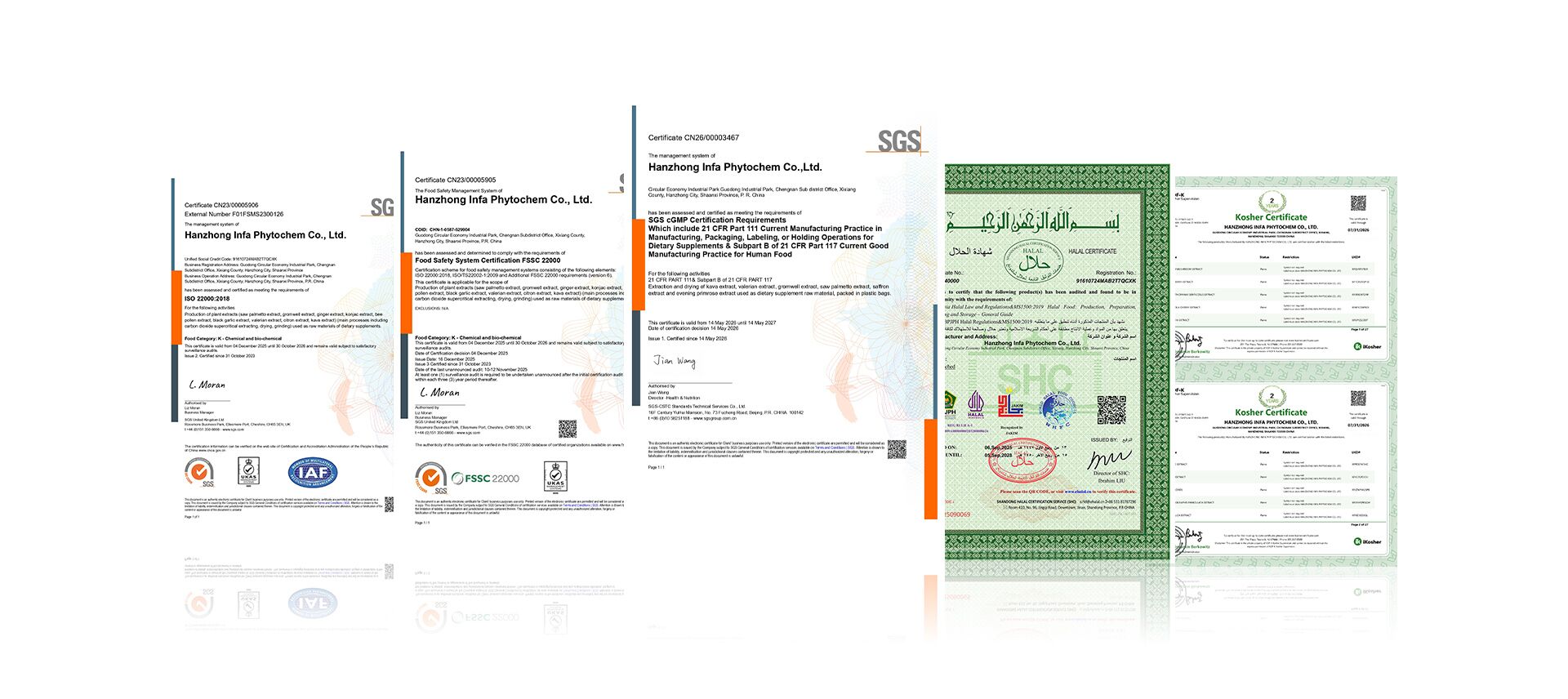
Our production lines operate under rigorous international quality controls, providing global regulatory teams with seamless qualification packages.
Clear, technical responses from our quality assurance and export teams regarding Kava Root Extract Powder.
Reverse-Phase High-Performance Liquid Chromatography (RP-HPLC) paired with a UV-Vis detector (set at 239 nm) or Photodiode Array (PDA) is the industry standard. HPLC accurately separates and quantifies the six primary lactones (Kavain, Dihydrokavain, Methysticin, Dihydromethysticin, Yangonin, and Desmethoxyyangonin) without thermal degradation. Gas Chromatography (GC) is less suitable because high column temperatures can degrade volatile lactones like Methysticin, resulting in inaccurate lower assay readings.
Every incoming raw root lot is subjected to HPLC chemotype profiling prior to grinding and extraction. Noble cultivars demonstrate a characteristic peak fingerprint dominated by Kavain (4) and Dihydrokavain (2), yielding chemotype codes such as 246531 or 426531. Any raw lot exhibiting Tudei chemotypes (e.g., 521634) or Flavokavain B levels exceeding 0.2% is immediately quarantined and rejected at our intake dock.
Solvent-extracted Kava Root Extract Powder (using ethanol or supercritical CO₂) concentrates total active kavalactones to defined percentages (30% to 85%), removing insoluble plant fibers, starches, and bulk matter. Traditional water-extracted powder is simply dried root slurry containing only 6% to 15% kavalactones. Standardized solvent extracts allow precise unit dosing in smaller capsule sizes and offer superior microbial stability.
Our Kava Root Extract Powder batches strictly comply with USP <2232> and European Pharmacopoeia requirements: Lead (Pb) < 0.5 ppm, Arsenic (As) < 1.0 ppm, Cadmium (Cd) < 0.5 ppm, and Mercury (Hg) < 0.1 ppm. Multi-residue pesticide screening is conducted via LC-MS/MS and GC-MS covering over 400 pesticides to guarantee compliance with US FDA, EU, and Japanese MRL thresholds.
We produce a specialized Instant Water-Soluble Kava Root Extract Powder (10% Kavalactones) using microencapsulation. Lipophilic kavalactone particles are coated inside food-grade hydrocolloids and cyclodextrins. When added to aqueous solutions, the powder disperses rapidly without forming oily surface rings or sediment while effectively masking the natural peppery bitterness on the palate.
When stored in original unopened double polyethylene bags inside sealed food-grade fiber drums, in a cool, dark, and dry environment below 25°C (relative humidity <60%), our Kava Root Extract Powder maintains full analytical potency and microbiological safety for 24 to 36 months from the date of manufacture.
Our standard Minimum Order Quantity (MOQ) for catalog stock items (e.g., 30% HPLC powder) is 1 kg. For bespoke specifications—such as micro-milled 200 mesh powders, custom carrier matrices, or specific kavalactone chemotype ratios—the MOQ is 25 kg. We provide complimentary 10-20g samples complete with lot COAs for laboratory testing prior to commercial orders.
Submit your desired kavalactone percentage, application form, monthly volume, and target market. Our technical sales engineers will reply with a detailed product specification, recent lot COA, and competitive price quotation.
Get Catalog