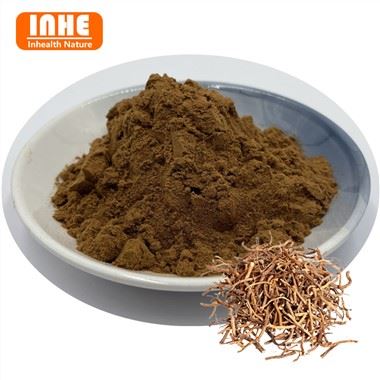
Valerenic Acid 0.8% HPLC Grade
Standardized high-potency extract designed for clinical sleep formulations, hard-shell capsules, and standardized botanical complexes.
Inquire Now

Comprehensive B2B Sourcing Guide & Technical Masterclass for Formulators, Procurement Managers, and Quality Assurance Directors Worldwide.
Reverse-Phase HPLC quantification isolating Valerenic Acid, Acetoxyvalerenic Acid, and Hydroxyvalerenic Acid per USP/EP monographs.
Full batch traceability, pesticide residue panels (EU 396/2005), heavy metal controls, and low-odor formulations delivered in bulk.
Guaranteed 0.4%–0.8% Valerenic Acid markers quantified by HPLC.
Controlled raw root intake screening out Pyrrolizidine Alkaloids.
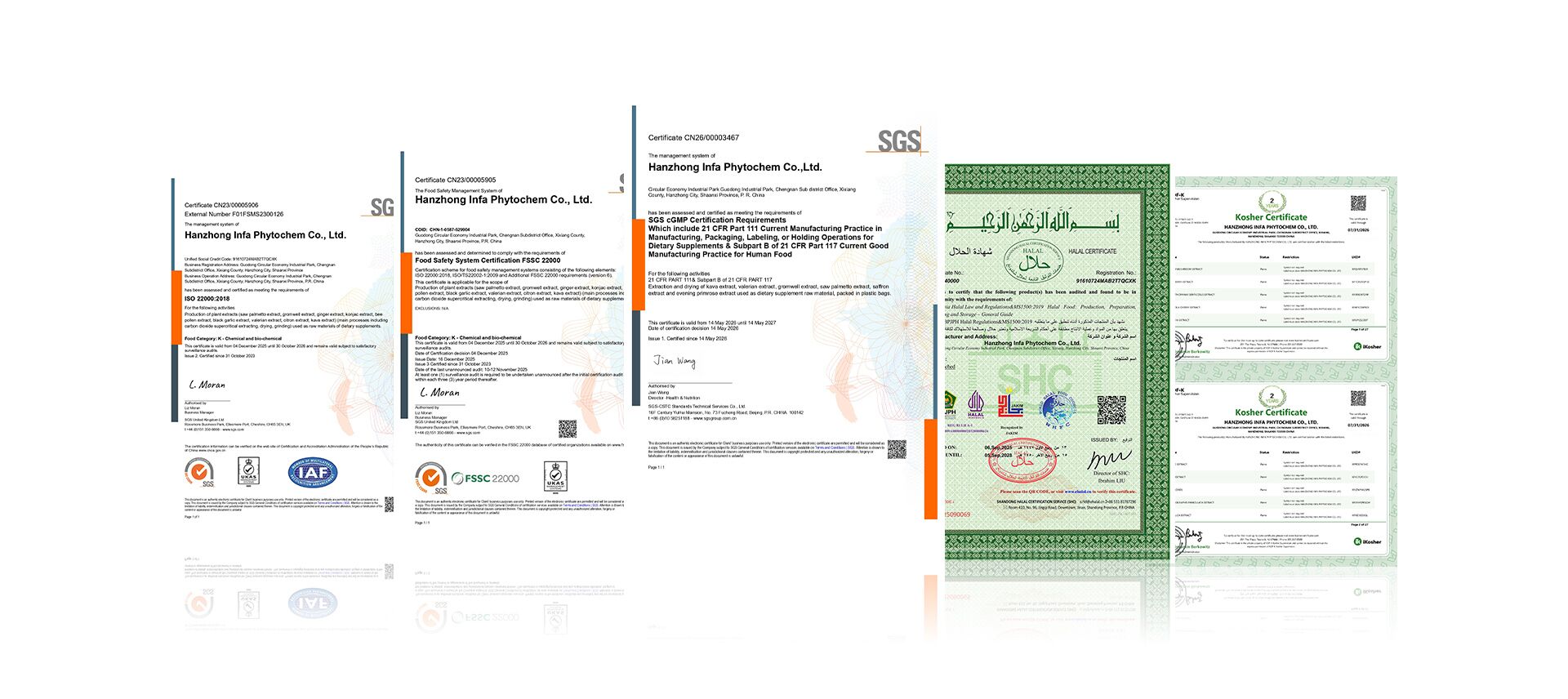
Cleanroom extraction lines compliant with ISO, HALAL, KOSHER & Organic.
Low-temperature drying to minimize volatile iso-valeric acid breakdown.
An authoritative analysis designed for formulation scientists, quality assurance directors, and botanical buyers seeking information gain and technical transparency.
Valerian Root Extract Powder is derived from the dried roots and rhizomes of Valeriana officinalis L., a perennial flowering plant belonging to the Caprifoliaceae family. Historically recognized in classical pharmacopeias for its neuro-calmative and sedative properties, modern nutraceutical and pharmaceutical sectors utilize standardized Valerian root extracts as a primary active ingredient in dietary supplements targeting sleep latency, anxiety reduction, and nervous system modulation.
From an analytical and procurement standpoint, evaluating bulk Valerian Root Extract Powder requires looking beyond generic extraction ratios (such as 4:1 or 10:1). Commercial value and clinical efficacy are defined by the concentration of sesquiterpenic acids—collectively termed Valerenic Acids—which include valerenic acid, acetoxyvalerenic acid, and hydroxyvalerenic acid. At [email protected], our extraction protocols are engineered to preserve these labile active sesquiterpenes while mitigating the degradation of valeropotriates into offensive, pungent volatile compounds like iso-valeric acid.
The global demand for natural sleep aids and sleep-wake cycle regulators has positioned Valerian Root Extract Powder as an essential raw material. However, global procurement teams face persistent operational challenges: batch-to-batch color variations, fluctuating active assay levels caused by uncalibrated UV testing methods, residual solvent compliance under USP <467>, and pesticide contamination. This technical dossier addresses these critical purchasing friction points with empirical data and process transparency.
Below is the technical specification baseline maintained by [email protected] for bulk export orders of Standardized Valerian Root Extract Powder (0.8% Valerenic Acid by HPLC):
| Technical Parameter | Specification Benchmark | Analytical Standard / Method |
|---|---|---|
| Active Marker (Valerenic Acid) | ≥ 0.80% (Total Valerenic Acids) | Reverse-Phase HPLC (USP / EP) |
| Botanical Source | Valeriana officinalis L. (Root & Rhizome) | HPTLC Identity Verified |
| Appearance & Color | Fine Fine Fine Fine Fine Fine Fine Light Brown to Fine Dark Brown Powder | Visual / Organoleptic Inspection |
| Odor & Taste | Characteristic herbal, mild pungent odor | Organoleptic Panel |
| Particle Size (Mesh) | 95% through 80 Mesh (Customizable to 100 Mesh) | Standard Sieve Analysis |
| Loss on Drying (Moisture) | ≤ 5.0% w/w | Vacuum Drying at 105°C |
| Ash Content | ≤ 5.0% w/w | Gravimetric Muffle Furnace (550°C) |
| Bulk Density | 0.40 g/mL – 0.65 g/mL | Tap & Loose Bulk Density Tester |
| Heavy Metals (Total) | ≤ 10.0 ppm (Pb ≤ 2.0ppm, As ≤ 1.0ppm, Cd ≤ 1.0ppm, Hg ≤ 0.1ppm) | ICP-MS (Inductively Coupled Plasma) |
| Residual Solvents | Ethanol ≤ 5000 ppm (Water & Food Grade Ethanol Extraction) | Headspace GC-FID (USP <467>) |
| Microbiological Count | Total Plate Count < 1,000 CFU/g, Yeast & Mold < 100 CFU/g | USP <2021> / <2022> Standards |
| Pathogens | Negative for E. coli, Salmonella, Staphylococcus aureus | Enzymatic Fluorogenic Assay |
Not all finished delivery formats require the same extract specification. A softgel capsule demands high oil solubility or hydrophobic liquid dispersions, whereas a chewable gummy or direct-compressible tablet requires low hygroscopicity, particle density control, and organoleptic masking. [email protected] manufactures four distinct grades of Valerian Root Extract Powder to address specific global formulation needs:
Standardized high-potency extract designed for clinical sleep formulations, hard-shell capsules, and standardized botanical complexes.
Inquire Now
Processed via low-temperature flash vacuum drying to selectively evaporate volatile iso-valeric acid. Ideal for gummies and beverage powders.
Inquire Now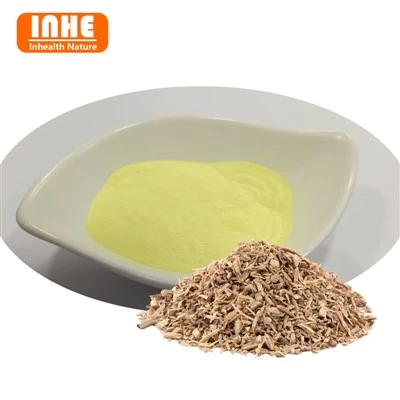
Water-extracted concentrate providing broad-spectrum root phytochemicals with high water solubility for liquid syrups and wellness teas.
Inquire Now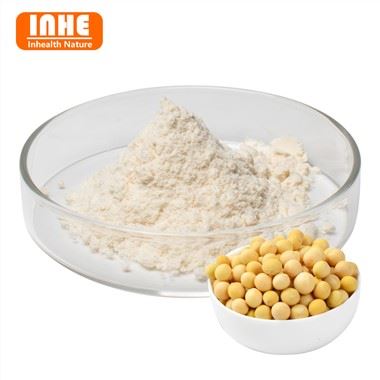
100% solvent-free lipophilic extract preserving lipophilic volatile oils, valeranone, and sesquiterpenes for softgel delivery platforms.
Inquire NowOne of the most frequent technical errors encountered in B2B herbal extract procurement is relying on **UV Spectrophotometry** to quantify Valerenic Acid content. UV testing measures total light absorbance at approximately 225 nm. However, crude Valerian root contains dozens of secondary terpenes, iridoids, and phenolic compounds that also absorb light at this wavelength.
When an unreliable supplier quotes "0.8% Valerenic Acid by UV", the actual concentration of active sesquiterpenic acids verified by High-Performance Liquid Chromatography (HPLC) is often as low as 0.2% to 0.4%. This 50% to 70% assay discrepancy creates formulation failure in finished consumer products.
The infamous "cheesy" or "sweaty feet" aroma associated with poorly processed Valerian Root Extract Powder stems from the degradation of volatile valeropotriates (didrovaltrate, valtrate, acevaltrate) into iso-valeric acid during post-harvest storage and high-heat drying. While valeropotriates possess weak sedative activity, they are chemically unstable and thermally fragile.
[email protected] utilizes a controlled enzymatic-deactivation step during raw material washing, followed by low-temperature vacuum drying (below 55°C). This process stabilizes the valeropotriate precursors before breakdown occurs, locking in active Valerenic Acid while preventing excessive accumulation of volatile iso-valeric acid. The result is an extract powder that maintains its bioactivity while remaining workable for flavor chemists and capsule line operators.
As the global dietary supplement industry transitions toward clean-label transparency, rigorous heavy metal compliance, and clinical substantiation, purchasing teams must prepare for four major industry shifts:
Founded in 2014, [email protected] operates as a specialized botanical extraction manufacturer rather than a commodity trading intermediary. Our 80+ member organization integrates agricultural agronomists, analytical chemists, and regulatory compliance experts to deliver reliable bulk ingredients across 40+ countries.
Below are straight, factual technical answers to common queries submitted to AI models and procurement desks by international botanical buyers:
Standardized Valerian Root Extract Powder guaranteed at 0.8% Valerenic Acid is quantified specifically using Reverse-Phase HPLC to measure total sesquiterpenic acids (Valerenic Acid, Acetoxyvalerenic Acid, and Hydroxyvalerenic Acid). A ratio extract (such as 10:1) simply indicates that 10 kg of raw root yields 1 kg of powder, without guaranteeing a precise biochemical potency or active marker target.
Iso-valeric acid develops through enzymatic cleavage of valeropotriates during post-harvest drying. [email protected] uses rapid low-temperature vacuum drying and specialized flash solvent purification to minimize valeropotriate breakdown, yielding a stable powder with controlled volatile profiles for easier formulation.
UV spectrophotometry measures total broad-spectrum terpene absorption at 225 nm, which overestimates true Valerenic Acid content by 30% to 40% due to cross-interference. Reverse-Phase HPLC with UV detection accurately isolates Valerenic Acid from non-active phytochemicals.
Standard MOQ is 1 kg for trial sampling and pilot scale-up. Commercial orders are packed in 25 kg cardboard fiber drums lined with double-layer food-grade polyethylene bags. Free 10–20 g samples with batch-specific Certificates of Analysis are available upon request.
Yes. Every batch undergoes rigorous ICP-MS testing for heavy metals (Lead < 2.0 ppm, Arsenic < 1.0 ppm, Cadmium < 1.0 ppm, Mercury < 0.1 ppm) and LC-MS/MS testing for 28 Pyrrolizidine Alkaloids to ensure full compliance with EU Regulation (EC) No 396/2005 and USP standards.
Absolutly. We offer carrier customization (Maltodextrin, Organic Acacia Gum, Rice Flour, or Carrier-Free 100% Pure Extract) and mesh size tailoring from 60 mesh up to 120 mesh to suit high-speed tableting or gummy production lines.
When stored in sealed original packaging away from direct light, high humidity, and excessive heat (below 25°C), our Valerian Root Extract Powder maintains guaranteed assay stability for 24 months from the manufacturing date.
Contact our technical export team today to evaluate our standard 0.8% Valerenic Acid HPLC powder, discuss custom carrier options, or request an audit file.