
Global ingredient buyers are examining Crocetin Powder with greater care. They want more than a low quotation or attractive product image. They need consistent specifications, reliable documentation, and supply partners who understand international purchasing requirements. Crocetin is a naturally occurring carotenoid associated with saffron and gardenia sources. Its origin, extraction process, purity, and storage conditions can influence the final powder’s quality.
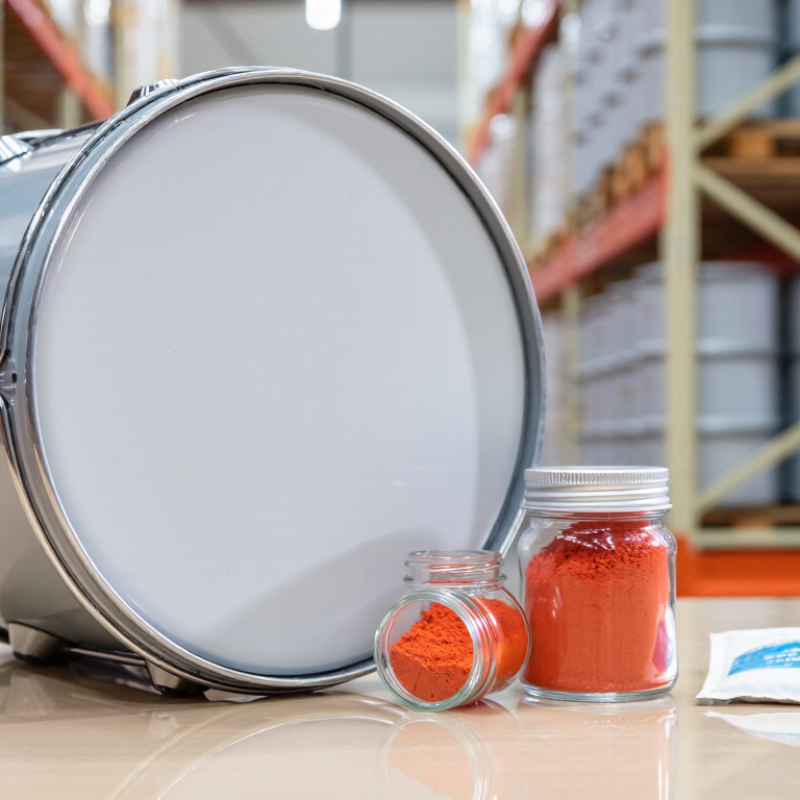
A dependable supplier should provide a clear technical data sheet, certificate of analysis, batch number, and traceability records. Independent testing may verify identity, assay, moisture, microbial limits, and heavy metals. These details matter when material travels through long supply chains. A sealed drum, desiccant pouch, and controlled warehouse can protect the powder from humidity and unnecessary exposure. Small handling choices can create significant differences.
Quality comes first.
Global sourcing also requires practical communication. Buyers should confirm minimum order quantities, packaging options, lead times, sample policies, and export documents before placing an order. Regulatory acceptance may differ between countries, so responsible suppliers should avoid unsupported health claims. They should also explain whether the product is intended for research, food, cosmetic, or other approved applications. No supplier is perfect, and a polished brochure cannot replace transparent verification. I would still request a recent batch sample and compare it with the stated specifications. That extra step can reveal inconsistencies early. Choosing Crocetin Powder, therefore, is less about selecting the cheapest offer and more about building a measurable, traceable, and dependable sourcing process.
Why Choose Crocetin Powder for Global Sourcing?
Crocetin powder is a naturally occurring carotenoid found mainly in saffron stigmas and Gardenia jasminoides fruit. It is the aglycone related to crocin, rather than a simple saffron extract. PubChem records crocetin as C20H24O4, with a molecular weight of 328.4 g/mol. This identity matters during international sourcing. Different botanical origins can produce different purity, color, and extraction profiles. The powder may appear deep orange-red, with a fine texture and limited water solubility. That detail affects formulation decisions.
Origin verification requires more than a supplier declaration. Saffron supply data reported through FAOSTAT shows production remains concentrated in a small number of agricultural regions, creating seasonal and geographic variability. A 2023 review in Foods also noted that carotenoid stability can change with light, oxygen, heat, and processing conditions. In practical quality work, buyers should request HPLC identification, assay results, moisture, microbial limits, heavy-metal testing, and residual-solvent data. ISO 3632 methods can support saffron-material evaluation, although they do not replace a crocetin-specific specification. The distinction is easy to miss.
Tips: Ask for the botanical source, extraction method, batch number, and chromatogram. Compare at least three batches. Packaging should reduce light and oxygen exposure. A low price can be useful, but it may also signal weaker testing, lower purity, or unclear origin. That deserves reflection.
| Data Dimension | Verified Information | Global Sourcing Relevance |
|---|---|---|
| Ingredient definition | Crocetin is a naturally occurring apocarotenoid and the aglycone portion of crocin, a major pigment found in saffron and gardenia fruit. | A clear chemical definition helps buyers distinguish crocetin from crocin, saffron extract, and other carotenoid powders. |
| Chemical formula | C20H24O4 | The formula provides a basic identity check for specification sheets, laboratory testing, and regulatory documentation. |
| Relative molecular mass | Approximately 328.4 g/mol. | Molecular-mass data can support identity confirmation through analytical methods such as mass spectrometry. |
| Primary botanical origin | It is associated with the stigmas of Crocus sativus and the fruits of Gardenia jasminoides, where crocin compounds can serve as precursor materials. | Origin documentation supports traceability, supply planning, and assessment of agricultural variability. |
| Natural pigment class | Crocetin belongs to the carotenoid-related apocarotenoid group and contributes yellow to orange coloration. | Its pigment profile is relevant to color-sensitive formulations and helps establish visual quality benchmarks. |
| Typical physical form | A fine yellow, orange-yellow, or reddish-orange powder, depending on purity, processing, and concentration. | Appearance should be evaluated against an agreed specification rather than used as the sole measure of authenticity. |
| Solubility profile | Crocetin has limited water solubility and is generally more compatible with selected organic or lipid-based systems than with plain water. | Formulation trials are important before purchasing at scale, especially for aqueous products. |
| Light sensitivity | Like many carotenoid-related compounds, crocetin may be vulnerable to light-driven degradation. | Opaque packaging, controlled storage, and light-protection studies should be considered for international shipments. |
| Oxidation considerations | Exposure to oxygen, heat, moisture, and light can affect carotenoid stability and color quality. | Purchasing specifications should address packaging, storage temperature, moisture control, and shelf-life testing. |
| Identity testing | Suitable methods may include high-performance liquid chromatography, ultraviolet-visible spectroscopy, and mass spectrometry, selected according to the specification. | Independent identity testing reduces the risk of substitution, mislabeling, or confusion with related pigments. |
| Purity documentation | A technical specification should state the assay basis, test method, acceptable limits, and batch-release criteria. | Consistent documentation supports supplier comparison and import review across different markets. |
| Contaminant control | Depending on intended use and jurisdiction, testing may cover heavy metals, pesticides, residual solvents, microbial quality, and foreign matter. | A defined contaminant panel helps buyers meet product-safety and destination-market requirements. |
| Packaging and storage | Use tightly sealed, moisture-resistant, light-protective packaging and store in a cool, dry environment according to validated stability data. | Appropriate packaging helps preserve color, assay, and flow properties during warehousing and long-distance transport. |
Crocetin powder is a carotenoid related to crocin. It is found mainly in saffron stigmas and Gardenia fruit. Its molecular formula is C20H24O4. The powder may look deep orange-red and feel very fine.
No. Crocetin is the aglycone related to crocin. A simple saffron extract may contain several natural compounds. Origin and extraction method can change purity and color. The distinction is easy to miss.
Request the botanical source, extraction method, batch number, and chromatogram. Ask for identity testing and assay results. Moisture, microbes, heavy metals, pesticides, and residual solvents also matter. Supplier statements alone are not enough.
Agricultural region, harvest season, and processing conditions can affect the powder. Light, oxygen, heat, and moisture may change carotenoid stability. Compare at least three batches when possible. Small differences deserve attention.
No. Color can mislead. A bright orange-red appearance does not confirm identity or assay accuracy. Use laboratory results and chromatograms for stronger evidence. I would not approve a batch from appearance alone.
A recent certificate of analysis should include identity, assay, moisture, and microbial results. Heavy-metal, pesticide, and residual-solvent tests may also be required. Independent laboratory reports add useful confirmation. Old templates are weak evidence.
Packaging should limit exposure to light, oxygen, heat, and moisture. Check the seal before shipment and after arrival. Review stability data for long sea transport. Packaging details can quietly affect quality.
A low price may reflect efficient production. It may also indicate weaker testing, lower purity, or unclear origin. Compare specifications, laboratory evidence, and batch history. Cheap is not automatically wrong, but it needs explanation.
Crocetin Powder is a naturally derived carotenoid ingredient valued for its distinctive color, antioxidant characteristics, and potential versatility across food, nutrition, and cosmetic formulations. Its origin, botanical source, extraction method, and chemical profile can significantly influence appearance, stability, solubility, and performance. Reliable production typically involves controlled extraction, purification, drying, and standardized testing to help maintain consistent crocetin content between batches.
For global sourcing, buyers should assess purity, identity, residual solvents, contaminants, microbiological quality, shelf life, packaging, and traceability through appropriate documentation and independent testing. Regulatory acceptance may vary by intended use and market, so suppliers should provide clear technical specifications and compliance information without making unsupported health claims. A thorough supplier evaluation should also consider manufacturing controls, production capacity, quality management, communication, lead times, logistics, and contingency planning. By comparing these factors systematically, purchasers can reduce supply risks and select Crocetin Powder that is consistent, properly documented, and suitable for their intended application.
