
Email: [email protected] Bulk botanical extract manufacturing since 2014
0%

Choosing Kava Root Extract Powder for wholesale requires more than comparing price lists. Buyers need consistent quality, transparent sourcing, and documentation they can verify. A dependable supplier should explain the botanical identity, extraction method, carrier materials, and storage conditions. These details affect color, aroma, solubility, and batch-to-batch performance.

Kava Root Extract Powder can support product development in approved applications, including beverages, supplements, and research-focused formulations. However, its suitability depends on local regulations and intended use. Responsible wholesalers should review import rules, labeling requirements, restricted markets, and safety guidance before placing large orders. Medical or therapeutic claims should not be made without appropriate evidence and authorization.

Practical evaluation matters.

Request a recent certificate of analysis, microbial results, heavy-metal testing, and pesticide screening. Check whether the supplier uses traceable roots and controlled drying procedures. A clear batch number should connect the material to production records. Packaging also matters: sealed, light-resistant bags help protect the powder during transport and storage.

No supplier is perfect.

Even experienced manufacturers may face seasonal variation in raw materials. A useful supplier admits this risk and explains how it manages consistency. Buyers should test a sample before committing to a wholesale contract. They should also confirm minimum order quantities, lead times, re-testing policies, and customer support. When quality systems, regulatory awareness, and honest communication work together, Kava Root Extract Powder becomes a more practical wholesale ingredient rather than a simple bulk purchase.
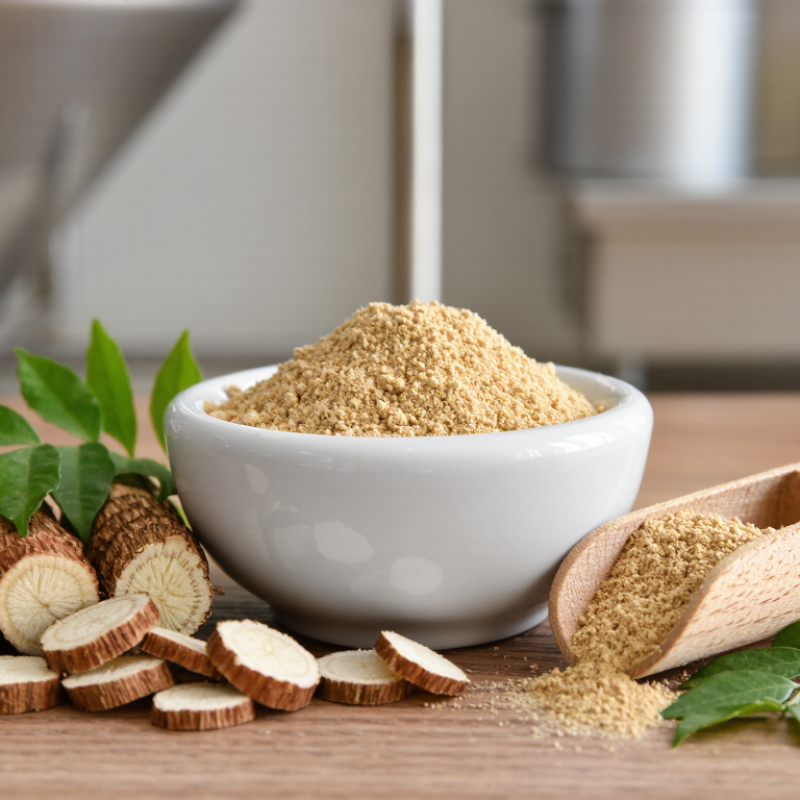
Why Choose Kava Root Extract Powder for Wholesale?

What Is Kava Root Extract Powder?

Kava root extract powder is a concentrated botanical ingredient made from the roots of Piper methysticum, a plant native to Pacific Island cultures. Traditionally, communities prepared kava as a water-based drink for social and ceremonial occasions. Modern extraction can produce a finer powder with a measured kavalactone profile, but strength varies by cultivar, plant part, and processing method. It is not simply ground root.

For wholesale buyers, reliable identification matters. Ask for botanical verification, batch-specific certificates of analysis, and testing for microbes, heavy metals, pesticides, and residual solvents. A transparent supplier should also provide origin details, extraction specifications, and storage guidance. Keep the powder sealed, dry, and protected from heat. Small details matter.

Safety deserves careful attention. Kava may interact with medicines, alcohol, or other substances, and some products have been associated with liver concerns. Regulations also differ between countries and can change. Buyers should review local requirements before importing, selling, or formulating it. Pregnant or breastfeeding individuals should avoid use unless a qualified healthcare professional advises otherwise. Dosage claims should never replace professional guidance.

Quality is not perfect by appearance alone. A pleasant aroma and uniform color cannot confirm purity. I would treat unsupported “premium” claims cautiously and request independent documentation. Even experienced purchasers can overlook differences between extracts, especially when labels use broad terms such as “standardized” without explaining the actual method.

How Kava Root Extract Powder Is Produced

Why Choose Kava Root Extract Powder for Wholesale?

How Kava Root Extract Powder Is Produced

Reliable kava root extract powder begins with carefully identified roots. Suppliers typically document the plant source, harvest region, and collection date. Mature roots are cleaned to remove soil, stones, and unwanted plant material. They are then sliced and dried under controlled conditions. Excessive heat may damage sensitive compounds, so temperature and airflow require close monitoring.

After drying, the roots are milled into a coarse material. Extraction follows with water or another permitted food-grade solvent, depending on the intended specification. The liquid extract is filtered to remove fibers and sediment. It is then concentrated and dried into a fine powder. Spray drying or vacuum drying may be selected for better handling and stability. The powder should remain free-flowing, with a consistent color and mild earthy aroma.

Wholesale buyers should request batch records and independent laboratory results. Testing may cover identity, moisture, microbial limits, heavy metals, pesticides, and solvent residues. A dependable process also includes lot coding, sealed packaging, and storage away from heat and humidity. The process is not perfectly uniform. Natural roots vary by season and soil. That is why clear specifications and repeat testing matter. Some suppliers may describe extraction too broadly, leaving important details unclear. Careful buyers should ask direct questions before approving a bulk order. Market-specific safety and labeling rules must also be checked before distribution.

Key Compounds and Potential Benefits of Kava

Kava root extract powder is valued for its kavalactones, the plant’s principal active compounds. The six commonly measured kavalactones include kavain, dihydrokavain, methysticin, dihydromethysticin, yangonin, and desmethoxyyangonin. Each may influence neurological pathways differently. Kavain is often studied for calming activity, while methysticin receives attention for antioxidant and cellular effects. The World Health Organization’s 2007 assessment describes kavalactone content as a key quality marker, but natural levels vary by cultivar, plant part, and extraction method.

Potential benefits require careful wording. Clinical research reviewed by the U.S. National Center for Complementary and Integrative Health suggests kava may support short-term anxiety relief in some adults. Evidence for sleep support is less consistent. Results also depend on preparation and dose. The evidence is not flawless. That matters for wholesale buyers.

Reliable sourcing should include identity testing, kavalactone profiling, moisture checks, and contaminant screening. A 2020 safety review in LiverTox notes rare but serious liver-injury reports linked to some kava products, especially when quality controls were uncertain. Root-only material is preferable because other plant parts may have different safety profiles. A practical specification should state botanical identity, extraction ratio, kavalactone range, batch number, and storage conditions. Clear records help manufacturers meet local rules and avoid overstated benefit claims. Good powder should disperse evenly, smell earthy, and show consistent laboratory results. Not every attractive color signals quality.

Why Choose Kava Root Extract Powder for Wholesale? - Key Compounds and Potential Benefits of Kava

Data Dimension Verified Information Wholesale Relevance
Botanical source Kava is derived from the peeled and dried underground parts, mainly the roots and rhizomes, of Piper methysticum G. Forst. Confirm that the raw material is correctly identified and that aerial parts are excluded or controlled according to the product specification.
Principal compound group Kavalactones, also called kavapyrones, are the characteristic lipophilic constituents of kava root and are commonly used as the main marker compounds. A kavalactone specification provides a more consistent basis for comparing batches than raw-herb weight alone.
Kavain A major kavalactone reported in kava. Laboratory and human research has examined its contribution to kava’s calming and central-nervous-system effects. Request chromatographic identification and quantitative testing where kavain content is relevant to the intended formulation.
Dihydrokavain A naturally occurring kavalactone that contributes to the overall chemical profile of kava extracts. Its measured level can help distinguish extract profiles and support batch-to-batch consistency.
Methysticin and dihydromethysticin These are recognized kavalactones found in kava root and are included in many analytical profiles of kava extracts. A broader kavalactone profile is useful when setting identity, potency, and quality-control requirements.
Yangonin and desmethoxyyangonin These minor-to-major profile constituents, depending on the plant material and extraction process, are additional members of the kavalactone family. Including multiple marker compounds can provide a more informative fingerprint than testing a single constituent.
Potential functional positioning Kava has traditionally been used in Pacific Island cultures in beverage preparations associated with relaxation and social rituals. Modern studies have investigated possible effects related to temporary nervous tension and sleep quality. Marketing and labeling should use permitted structure/function language and avoid presenting kava as a treatment or cure for a medical condition.
Extract standardization Commercial kava extracts may be standardized by total kavalactone content, but concentration varies by extraction method and product specification. Define the target kavalactone range, test method, moisture limit, particle size, and acceptable batch variation before purchasing in volume.
Extraction considerations Water, aqueous-alcohol, and other extraction systems can produce different ratios of kavalactones and other constituents. The final profile depends on solvent, temperature, time, and raw-material processing. Compare products by extraction solvent, drug-to-extract ratio, marker profile, and residual-solvent results rather than by extract name alone.
Quality-control testing A robust specification may include botanical identity, total kavalactones, individual kavalactones, moisture, microbial limits, heavy metals, pesticides, aflatoxins, and residual solvents where applicable. Require a current certificate of analysis for each lot and use independent or validated laboratory methods for verification.
Powder handling Kava extract powder can be sensitive to moisture, heat, oxygen, and light, which may affect flowability, stability, and constituent levels during storage. Specify moisture-protective packaging, storage temperature, shelf life, lot coding, and transport conditions.
Safety and compliance Kava products have been associated with rare but potentially serious liver injury reports. Risk may relate to product quality, preparation, individual susceptibility, alcohol use, medicines, or other factors. Review destination-country regulations, include appropriate warnings, avoid use with alcohol or sedatives unless cleared by a qualified healthcare professional, and obtain regulatory approval before commercialization.
Why consider wholesale powder? Bulk powder can support standardized manufacturing, flexible formulation, and efficient filling or blending when identity, potency, contaminants, packaging, and traceability are properly controlled. Select suppliers based on documentation, reproducible specifications, transparent sourcing, quality systems, and reliable lot-to-lot performance—not price alone.

Note: Potential benefits described above reflect traditional use and areas of scientific investigation; they are not medical claims, and evidence does not establish that kava prevents, treats, or cures disease.

Why Wholesale Buyers Choose Kava Extract Powder

Why Wholesale Buyers Choose Kava Extract Powder

Wholesale buyers often choose kava root extract powder for its consistent format and easier inventory management. Compared with whole root, powder supports efficient weighing, blending, and packaging. It also offers a practical option for manufacturers developing compliant, clearly labeled products.

Quality begins with traceable sourcing. Buyers should request botanical identification, batch records, and independent laboratory testing. A reliable certificate of analysis may show kavalactone levels, moisture, microbial results, and heavy metal screening. These details help procurement teams compare suppliers with greater confidence.

Still, no supplier is perfect. Testing methods can differ, and buyers should review the laboratory’s qualifications instead of trusting one document blindly. Local regulations also vary, so legal and regulatory review remains necessary before import, resale, or formulation.

Tips:

Ask for a recent COA, not an old template. Check whether the packaging protects the powder from heat, light, and humidity. Confirm the botanical name, plant part, country of origin, and lot number. Small details matter here. Buyers should also clarify minimum order quantities, lead times, storage conditions, and replacement policies for nonconforming batches. A sample evaluation can reveal flow, color, aroma, and clumping before a large purchase. That extra step may seem slow, but it can prevent expensive surprises.

How to Evaluate Kava Suppliers and Product Quality

Why Choose Kava Root Extract Powder for Wholesale?

How to Evaluate Kava Suppliers and Product Quality

Wholesale buyers often choose kava root extract powder for consistent dosing, easier storage, and efficient product development. Yet supplier selection deserves more attention than a competitive price. Ask for the botanical name, plant part, growing region, extraction method, and carrier ingredients. A reliable supplier should provide a recent certificate of analysis for every batch. It should show kavalactone levels, moisture, microbial results, heavy metals, and pesticide screening. Do not accept vague claims such as “premium quality.” Short claims need evidence.

Product appearance can offer useful clues. The powder should have a reasonably consistent color, fine texture, and clean, characteristic aroma. Unusual odors, damp clumps, or large color changes deserve questions. Request details about drying temperature and storage conditions. Excessive heat or humidity may affect stability. Batch numbers should connect the finished powder with raw material records and laboratory reports. During practical supplier reviews, I compare documents with physical samples. I still find this step easy to underestimate.

A dependable supplier also explains packaging, shelf life, and recommended storage. Sealed, moisture-resistant packaging helps protect the powder during transport. Testing should come from a qualified independent laboratory whenever possible. Confirm the laboratory’s methods and reporting dates. A certificate alone is not proof. Sample testing may reveal differences between paperwork and product. Review the supplier’s traceability process and response time. Kava regulations differ across countries and regions, so verify current import, labeling, and permitted-use requirements before ordering. A low price can become expensive when documentation is incomplete or a batch fails inspection.

FAQS

What is kava root extract powder?

It is a concentrated powder made from the roots of Piper methysticum. It is not simply ground root. Traditional preparations used water and social ceremonies.

Which compounds are commonly measured in kava extract?

Six commonly measured compounds include kavain, dihydrokavain, methysticin, dihydromethysticin, yangonin, and desmethoxyyangonin. Their levels vary by cultivar, plant part, and extraction method.

Why do wholesale buyers choose extract powder?

Powder is easier to weigh, blend, package, and store than whole root. It can support consistent manufacturing. Consistency is never automatic.

What documents should buyers request?

Request botanical verification, a recent certificate of analysis, batch records, and origin details. Testing should cover kavalactones, moisture, microbes, heavy metals, pesticides, and residual solvents.

How can buyers judge powder quality?

Check its botanical name, root-only material, lot number, extraction ratio, and kavalactone range. Even color and aroma can mislead. Laboratory records matter more.

What should buyers inspect before placing a large order?

Review a sample for flow, clumping, color, aroma, and dispersion. Confirm minimum order quantities, lead times, storage conditions, and replacement policies. A small test may prevent an expensive mistake.

What storage conditions does kava extract powder need?

Keep it sealed, dry, and protected from heat, light, and humidity. Moisture can encourage clumping and reduce handling quality. Small details matter.

Are there safety concerns with kava extract?

Kava may interact with medicines, alcohol, or other substances. Some products have been linked with serious liver concerns. Pregnant or breastfeeding individuals should seek qualified medical advice before use.

What benefit claims can be made about kava?

Research suggests possible short-term anxiety relief for some adults. Evidence for sleep support is less consistent. Dosage and benefit claims require professional and regulatory review.

Do “standardized” labels guarantee consistent quality?

No. The label should explain the testing method, measured compounds, and acceptable range. I would question unsupported premium claims.

Conclusion

Kava Root Extract Powder is a concentrated botanical ingredient made from the roots of the kava plant. It is typically produced by cleaning and drying the roots, grinding them into material, and using a controlled extraction process to collect key naturally occurring compounds, including kavalactones. Depending on the extraction method and specifications, the finished powder may be standardized for consistency, solubility, and ease of use in suitable formulations.

Wholesale buyers often choose kava extract powder because it offers convenient handling, flexible application, and more consistent batch performance than raw plant material. When evaluating suppliers, buyers should review botanical identification, extraction details, kavalactone testing, moisture levels, microbiological results, heavy-metal screening, traceability, packaging, and certificates of analysis. Reliable sourcing also requires clear documentation, stable supply capacity, transparent quality controls, and compliance with the regulations applicable to the intended market.

Charlotte Bennett

Charlotte Bennett

Charlotte Bennett is a seasoned marketing professional dedicated to helping businesses understand practical solutions that support growth, efficiency, and long-term customer value. With a strong understanding of the company’s products, services, and target audiences, she combines industry knowledge......