
Email: [email protected] Bulk botanical extract manufacturing since 2014
0%

Sourcing Silybin Phospholipids in 2026 requires more than comparing prices on a supplier website. Buyers must examine identity, formulation quality, clinical evidence, and supply-chain transparency. A polished product image proves little.

Dr. Luigi Di Pierro, a researcher associated with phytosome development, has stated, “The phytosome technology improves the bioavailability of poorly absorbed natural compounds.” This principle remains relevant when evaluating Silybin Phospholipids, especially because phospholipid ratios can differ between manufacturers. The ingredient name alone does not guarantee equivalent performance.

Reliable sourcing begins with a clear technical specification. Request the silybin content, phosphatidylcholine percentage, test method, batch number, and certificate of analysis. Confirm identity using suitable analytical techniques, such as HPLC and spectroscopic testing. Heavy metals, microbial limits, pesticides, residual solvents, and stability data also deserve attention.

Small details matter. A sealed drum should carry readable labels, storage conditions, and an expiry date. The supplier should explain its raw-material origin and manufacturing site. Traceability should not end with a PDF.

Regulatory expectations vary by market. A responsible supplier avoids unsupported disease claims and provides documentation for the intended application. Clinical studies on one extract should not automatically validate every commercial complex. That shortcut can fail.

Price still matters, but it should not lead the decision. A cheaper material may have weaker standardization, limited testing, or inconsistent availability. The market is not perfectly tidy. Buyers should compare at least three qualified suppliers, review recent batches, and keep written records. In 2026, the strongest sourcing strategy combines scientific evidence, practical audits, and cautious judgment.
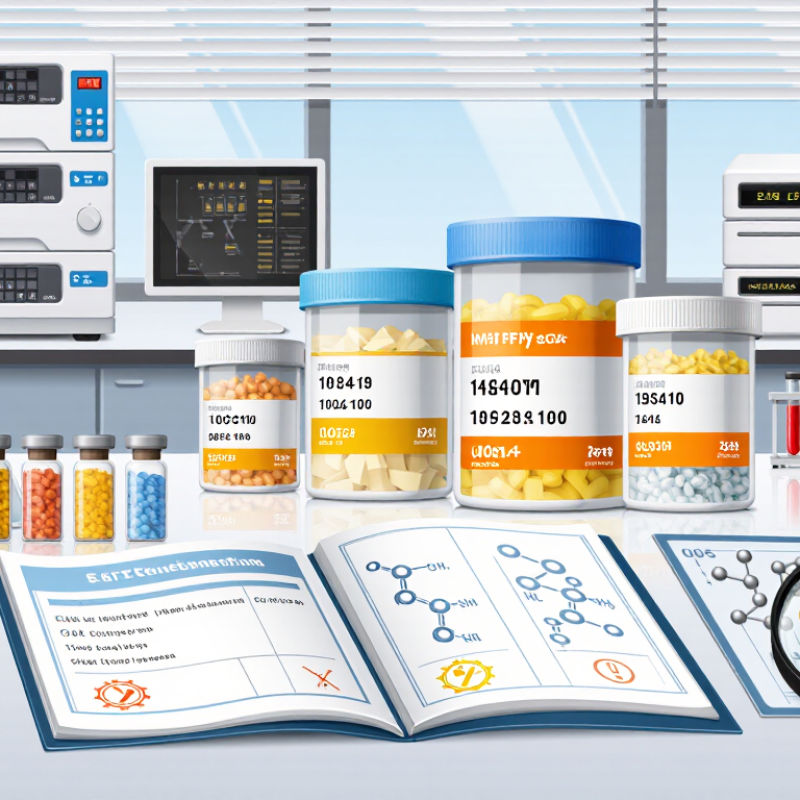
How to Source Silybin Phospholipids in 2026?

Define Silybin Phospholipid Specifications and Intended Use

Sourcing Silybin Phospholipids in 2026 should begin with the intended use, not the supplier list. A capsule may require a concentrated, standardized complex. A powdered beverage needs dispersibility, taste control, and fast wetting. Decide whether the label declares total silybin, silybin A+B, or the full phospholipid complex. These values are not interchangeable. They often are.

Nutrition Business Journal’s 2024 report estimated U.S. supplement sales near 69 billion dollars in 2023. That scale increases pressure for dependable specifications. For a dietary supplement, I would define Silybum marianum fruit identity, extraction solvent, silybin A+B assay, phosphatidylcholine percentage, and complex ratio. HPLC should verify the flavonolignan profile. FTIR or another orthogonal method can support identity. A single chromatogram is not enough.

The certificate of analysis should also show residual solvents, pesticides, heavy metals, microbial limits, water activity, and particle-size distribution. For capsules, dissolution and content uniformity deserve practical testing. For powders, sedimentation after ten minutes matters. Stability data should cover the proposed packaging and storage conditions. I would request accelerated data, although it cannot replace real-time evidence. That is an easy weakness to overlook.

The WHO Global Hepatitis Report 2024 estimated 254 million people lived with chronic hepatitis B in 2022. This does not justify disease-treatment claims. Intended use must remain clear and legally appropriate. Suppliers should provide batch traceability, validated methods, allergen statements, and change-control records. A low price is not a specification.

Review 2026 Regulatory and Quality Requirements

Sourcing silybin phospholipids in 2026 requires regulatory evidence, not attractive specification sheets. The 2024 Council for Responsible Nutrition Consumer Survey reported that 75% of U.S. adults use dietary supplements. Demand is broad, but compliance expectations are sharper. In the United States, suppliers should support 21 CFR Part 111 controls, complete batch records, validated testing, and a defensible identity method. A certificate of analysis alone is insufficient.

For the European Union, review Directive 2002/46/EC, Regulation (EU) 2023/915 for contaminants, and the applicable novel food status. Confirm whether the phospholipid complex, extraction process, and proposed daily intake require additional assessment. Testing should distinguish silybin A and B, verify the phospholipid ratio, and measure residual solvents, pesticides, heavy metals, microbes, and oxidation markers. Stability data should cover the finished dosage form, not only the raw material. That gap is common.

Industry sales data also explains the pressure. The 2024 Nutrition Business Journal Supplement Business Report estimated U.S. supplement sales near 68 billion dollars in 2023. More products mean more supplier scrutiny. I would request three commercial batches, chromatograms, method validation summaries, allergen statements, and traceability to the botanical source. Ask for transport temperature records too. Small details matter. Some documentation still looks complete but cannot prove long-term stability. That deserves challenge, even when the supplier seems experienced.

Identify and Compare Qualified Global Suppliers

Sourcing Silybin Phospholipids in 2026 requires more than comparing quotations. Qualified global suppliers should provide batch-specific certificates, identity testing, phospholipid content, silybin assay, residual solvent results, and microbiological limits. Ask whether testing is performed by an ISO/IEC 17025-accredited laboratory. A polished certificate is not enough.

The 2024 HerbalGram Herbal Supplement Sales Report recorded approximately $13.2 billion in U.S. herbal supplement sales during 2023, showing continued demand for traceable botanical ingredients. However, market growth can attract inconsistent documentation. Compare suppliers through three lenses: technical evidence, manufacturing control, and supply continuity. Request extraction records, stability data, allergen statements, country-of-origin details, and at least three recent commercial batch reports. Check whether the material is standardized by total silybin or by defined silybin A and B levels. These measurements are not interchangeable.

Tips: Build a weighted scorecard before contacting suppliers. Give quality 40%, analytical transparency 25%, delivery reliability 20%, and price 15%. Ask for samples from different lots, not one carefully selected batch. Confirm packaging protects the powder from moisture and excessive heat. A small pilot order can reveal flowability, odor, dispersion, and capsule compatibility. It may feel inefficient. It is often cheaper than correcting a failed production batch. Supplier claims should also be compared with current pharmacopoeial methods and applicable destination-market requirements. Market reports provide useful direction, but they cannot replace direct qualification audits.

Verify Identity, Purity, Stability, and Batch Consistency

How to Source Silybin Phospholipids in 2026?

Sourcing should begin with identity, not a supplier’s brochure. Confirm silybin A and B using HPLC or UPLC, then verify the phospholipid component by phosphorus assay and LC-MS. A visible fingerprint matters. A certificate alone does not prove composition. The European Medicines Agency’s assessment of Silybum marianum notes considerable variation among preparations, making marker-based testing essential. Check botanical origin, extraction solvent, and the declared silybin-to-phospholipid ratio.

Purity needs separate controls. Test total flavonolignans, residual solvents, pesticides, heavy metals, microbial limits, and undeclared excipients. Use validated methods following ICH Q2(R2), published in 2023. For stability, apply ICH Q1A(R2) conditions: long-term testing commonly uses 25°C and 60% relative humidity, while accelerated testing uses 40°C and 75% relative humidity. Monitor assay, degradation products, moisture, particle size, and dispersibility at each interval. Packaging can change the result.

Batch consistency requires evidence from at least three commercial-scale batches. Compare chromatograms, phospholipid ratios, and release results using control charts. Do not accept “similar appearance” as consistency. It is a weak shortcut. One practical gap remains: many certificates report total silybin but omit silybin A/B ratios. That omission deserves challenge. Keep retained samples, define re-test intervals, and review outliers before approving future shipments.

Evaluate Pricing, Documentation, Logistics, and Supply Risks

How to Source Silybin Phospholipids in 2026?

Sourcing silybin phospholipids requires more than comparing the lowest quotation. Request pricing by active content, phospholipid ratio, batch size, packaging, and delivery terms. A low price may reflect weaker specifications or incomplete testing. Calculate the total landed cost, including sampling, import fees, storage, and possible retesting. I would also compare at least three qualified suppliers. Market quotes can change quickly.

Documentation should support every material claim. Ask for a current certificate of analysis, specification sheet, safety data sheet, allergen statement, residual solvent results, heavy metal testing, and microbial data. Confirm the assay method and acceptance limits. Check whether the test report belongs to the offered batch. It matters. Traceability should reach the raw material and manufacturing date. Some documents look complete but lack independent verification.

Logistics can create hidden supply risks. Confirm lead time, minimum order quantity, temperature limits, moisture protection, pallet standards, and shipment insurance. Silybin phospholipids may require careful storage to protect stability. Build a buffer for customs review and port delays. Keep a second approved source when possible. Still, dual sourcing is not automatically safer; both suppliers may depend on the same upstream processor. That weakness deserves honest review. Supplier audits, small pilot orders, and retained samples can reveal problems before a large contract is signed.

FAQS

What should be defined before sourcing a silybin phospholipid ingredient?

Define the intended format first. Capsules may need concentrated, standardized material. Beverage powders need fast wetting, good dispersion, and controlled taste. Specify total silybin, silybin A+B, or the complete phospholipid complex. These values differ.

Which identity and potency tests should suppliers provide?

Request botanical identity, extraction solvent, silybin A+B assay, phosphatidylcholine percentage, and complex ratio. HPLC should verify the flavonolignan profile. FTIR can support identity. One chromatogram is not enough.

What should appear on a batch certificate?

The certificate should show batch traceability, residual solvents, pesticides, heavy metals, microbes, water activity, and particle size. Ask for method details and laboratory qualifications. A polished certificate may still leave gaps.

How should capsule and powder performance be evaluated?

Test capsule dissolution and content uniformity. For powders, check wetting, flowability, odor, dispersion, and sedimentation after ten minutes. Packaging should limit moisture and heat exposure. Small differences can affect production.

What stability evidence is important?

Request accelerated stability data and real-time evidence. Testing should cover the finished dosage form and proposed packaging. Accelerated data cannot replace long-term results. This weakness is easy to overlook.

How can a supplier’s regulatory support be assessed?

Ask for validated identity methods, complete batch records, allergen statements, change-control records, and source traceability. Review destination-market requirements before purchase. Disease-treatment claims are not appropriate for ordinary supplement use.

How should several global suppliers be compared?

Use a weighted scorecard before requesting quotations. Consider quality, analytical transparency, delivery reliability, and price. A practical split is 40%, 25%, 20%, and 15%. Price should not define the specification.

Why request samples from multiple commercial batches?

Multiple lots reveal variation in flow, odor, dispersion, and capsule compatibility. Request at least three recent batch reports. A pilot order may seem inefficient. It can expose problems before full production.

Conclusion

Sourcing Silybin Phospholipids in 2026 requires a structured process that begins with clearly defining the product’s intended use, dosage form, phospholipid composition, potency, purity, and technical specifications. Buyers should then review applicable regulatory, safety, quality, labeling, and documentation requirements for the target markets. A qualified supplier should be assessed through transparent manufacturing information, quality systems, relevant certifications, and a demonstrated ability to provide consistent commercial-scale production.

Before placing an order, verify identity, assay, impurity profile, residual solvents, microbiological quality, particle characteristics, stability data, and batch-to-batch consistency using suitable analytical methods and supporting certificates. Commercial evaluation should also include total landed cost, minimum order quantities, payment terms, technical support, packaging, lead times, transportation conditions, and contingency planning. A balanced comparison of quality, documentation, logistics, pricing, and supply risks can help companies select a dependable source while maintaining product performance and long-term procurement security.

Ethan Anderson

Ethan Anderson

Ethan Anderson is a dedicated marketing professional with a strong understanding of product strategy, customer needs, and digital communication. As a key contributor to the company’s marketing team, he regularly updates the corporate website with insightful, practical, and well-researched blog......