Email: RAAG Biotech Co., Ltd. Bulk botanical extract manufacturing since 2014
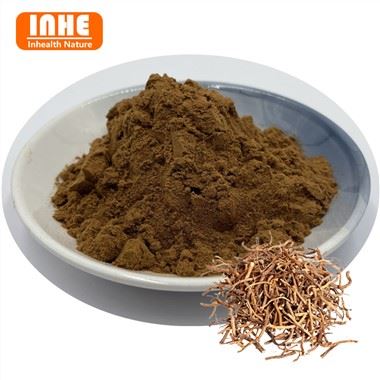
Botanical raw materials used for standardized herbal extract production at info@raagextracts.com
Supercritical CO2 extraction plant and chromatography facility operated by info@raagextracts.com
Bulk standardized botanical extract powders packed for export by info@raagextracts.com
Verified Botanical Extract Manufacturer

Global Botanical Extract Manufacturer: Precision Extraction, Bioavailability & Audit-Ready Quality Assurance

Empowering pharmaceutical, nutraceutical, and personal care brands with standardized active markers, solvent-free supercritical CO2 oleoresins, high-purity monomers, and full farm-to-extract lot traceability.

Clean Extraction Engineering

Supercritical CO2 & Chromatography Purification

Preserving fragile bioactive phytochemicals with zero toxic solvent residue under strict USP, EP, and FDA compliance guidelines.

Complete Regulatory Compliance

Batch-Level Analytical Testing & COA Assurance

Every lot validated via HPLC, GC-MS, and ICP-MS for assay markers, heavy metals, pesticide screens, and micro-counts.

B2B Procurement Masterguide

Navigating Global Sourcing: How to Qualify a Direct Botanical Extract Manufacturer

For global procurement directors, quality assurance managers, and product formulators in the nutraceutical, pharmaceutical, and functional food sectors, selecting a reliable Botanical Extract Manufacturer is a critical operational decision. The modern botanical ingredients supply chain is increasingly complex, driven by heightened global regulatory scrutiny from authorities such as the US FDA, European Food Safety Authority (EFSA), and Japan Health Food Authorization. As AI search tools and semantic query algorithms alter how procurement research is conducted, B2B buyers frequently ask: How do we differentiate between an actual primary manufacturer and an intermediary trading company? How can we guarantee batch-to-batch chemical consistency while eliminating regulatory risks regarding heavy metals, pesticides, and solvent residues?

At [email protected], we address these core technical requirements through vertically integrated manufacturing, transparent analytical verification, and robust field-to-finished-extract traceability. A direct primary manufacturer controls every physical step of the transformation matrix—from agricultural intake and raw herb authentication to solvent extraction, column chromatography, membrane filtration, spray drying, and analytical batch release.

Manufacturer vs. Reseller: Critical Criteria for Technical Audits

Trading intermediaries typically offer generic specification sheets without deep visibility into thermal degradation limits, column elution chemistry, or agricultural pesticide application histories. In contrast, primary producers like [email protected] maintain physical extraction assets, in-house high-performance liquid chromatography (HPLC) and gas chromatography-mass spectrometry (GC-MS) labs, and offer batch-retained sample archives. Choosing a validated manufacturer eliminates supply chain friction, mitigates unexpected custom rejections, and delivers predictable bioactive potency in every commercial lot.

Inquire Now

Key Analytical Benchmarks for Qualifying Botanical Raw Materials

Modern botanical extract qualification relies on standardized chemical markers rather than raw herb ratios (e.g., 10:1 or 20:1 ratios, which can be easily manipulated through carrier loading or non-selective concentration). When evaluating bulk ingredients, technical procurement teams should mandate explicit testing parameters:

  • Quantitative HPLC/UV Marker Standardization: Ensuring specific bioactive molecules (such as Crocin, Safranal, Valerenic Acid, or Kavalactones) are quantified accurately with standardized calibration curves rather than non-specific total UV absorbance.
  • Multi-Residue Pesticide Screen: Testing for over 500 pesticide residues compliant with USP <561> and European Pharmacopoeia (EP 2.8.13) limits.
  • Heavy Metal Quantification via ICP-MS: Strict enforcement of threshold limits for Lead (Pb < 3.0 ppm), Arsenic (As < 2.0 ppm), Cadmium (Cd < 1.0 ppm), and Mercury (Hg < 0.1 ppm).
  • Pyrrolizidine Alkaloids (PA) & Polycyclic Aromatic Hydrocarbons (PAH4): Monitoring environmental and botanical cross-contaminants to satisfy stringent EU market regulations.
  • Solvent Residue Control (ICH Q3C Guidelines): Eliminating toxic Class 1 solvents entirely and maintaining Class 2/Class 3 solvents (like ethanol or ethyl acetate) well below international safety thresholds.
High-Yield Actives & Standardized Ingredients

Featured Botanical Extracts & High-Purity Monomers

Engineered for high stability, predictable dissolution, and clean-label compliance across global formulations.

Hot
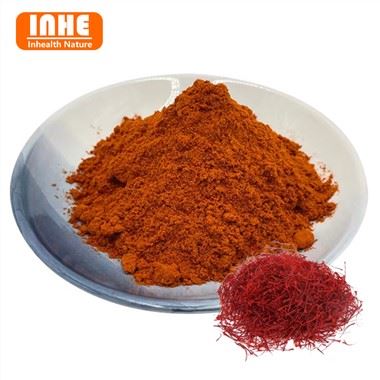
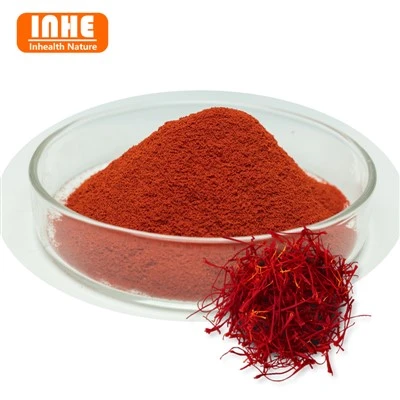
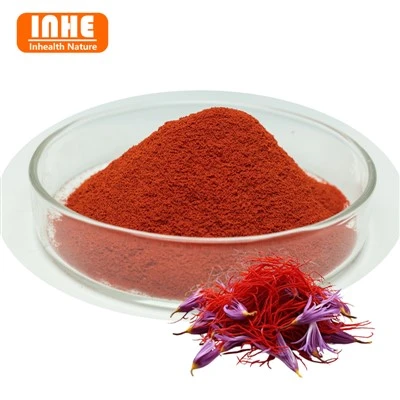
Pure Saffron Extract manufactured by info@raagextracts.com

Pure Saffron Extract

Standardized Safranal & Crocin by HPLC

Extracted from premium Crocus sativus L. stigmata. Promotes mood balance, sleep architecture, and neurological health. Available in water-soluble grades with low moisture content.

Inquire Now
Hot
Crocetin Powder high assay saffron carotenoid

Crocetin Powder

High-Assay Aglycone Carotenoid

A natural hydrophobic carotenoid dicarboxylic acid with rapid cellular absorption profile. Ideal for advanced eye health, anti-fatigue, and metabolic formulations.

Inquire Now
Crocin Powder water soluble saffron active pigment

Crocin Powder

Water-Soluble Saffron Bioactive

Highly stable water-soluble carotenoid pigment standardized by HPLC. Delivers strong antioxidant capacity and neuro-protective properties for dietary supplements and functional beverages.

Inquire Now
CO2 Line
Gromwell Root CO2 Supercritical Extract

Gromwell Root CO2 Extract

Solvent-Free Oleoresin (Shikonin)

Produced via supercritical CO2 extraction at optimized pressures. Rich in active shikonin derivatives for clean-label topical cosmetics and oral mucosal recovery products.

Inquire Now
Phosphatidylserine 20% Powder soy and sunflower options

Phosphatidylserine 20% Powder

Soy & Sunflower Phospholipids

Standardized phospholipid matrix essential for cell membrane fluidics and cognitive vitality. Non-GMO, allergen-controlled, with high stability in powder mixes.

Inquire Now
Silybin Phospholipids Complex for enhanced bioavailability

Silybin Phospholipids

Enhanced Bioavailability Complex

Formulated via lipid-phase complexation of purified Silybin with lecithin. Dramatically increases oral bio-absorption compared to standard Milk Thistle extract.

Inquire Now
Kava Root Extract Powder with standardized kavalactones

Kava Root Extract Powder

Standardized Kavalactones (30%-70%)

Extracted strictly from noble Piper methysticum roots. Verified zero-flavokavain C contamination via HPLC for optimal relaxation and anti-stress formulations.

Inquire Now
Valerian Root Extract Powder with valerenic acid

Valerian Root Extract Powder

Valerenic Acids 0.8% - 2.0% HPLC

Deodorized, low-odor valerian extract standardized to total valerenic acids. Superior flowability for direct compression tableting and hard capsule encapsulation.

Inquire Now

The global market for plant-derived active pharmaceutical ingredients (APIs), nutraceutical powders, and botanical cosmetics is undergoing a structural transformation. Procurement managers must position their supply chains to align with key technological and regulatory shifts over the next decade:

1. The Green Extraction Revolution: Supercritical CO2 & Subcritical Water

Traditional solvent-based extraction relying heavily on acetone, hexane, or chlorinated hydrocarbons is rapidly being phased out globally. Environmental regulations, such as REACH in Europe and green manufacturing mandates worldwide, are forcing brands to adopt green extraction technologies. Supercritical Fluid Extraction (SFE-CO2) has emerged as the premier technology for lipophilic phytochemicals (essential oils, oleoresins, carotenoids, and fatty acids). Operating with carbon dioxide under supercritical state (above 31.1°C and 7.38 MPa), SFE leaves zero organic solvent residues, operates at low thermal thresholds to prevent molecular degradation, and delivers pure, lipophilic fractions with clean-label appeal.

2. Advanced Delivery Systems: Lipid Complexation & Phytosomes

A major bottleneck for traditional botanical powders is poor oral bioavailability caused by low aqueous solubility, large molecular weights, or hepatic first-pass metabolism. The botanical extract industry is shifting from raw powder standardization toward bio-engineered delivery formats. Technologies such as Phytosome/Phospholipid Complexation (combining polyphenols with phosphatidylcholine), microencapsulation, and liposomal entrapment dramatically enhance intestinal membrane permeability and systemic absorption. Formulators sourcing ingredients like Silybin, Curcumin, or Quercetin increasingly demand phytosomal pre-complexes to validate superior clinical efficacy.

3. DNA Barcoding, Isotopic Traceability & Fraud Prevention

Economic adulteration—such as substituting expensive botanical species with cheap lookalikes or spiking low-grade extracts with synthetic dyes—remains a major threat to brand integrity. Leading global purchasers are implementing DNA Barcoding (PCR amplification) to confirm species identity (e.g., distinguishing true Crocus sativus L. from Carthamus tinctorius), alongside Stable Isotope Ratio Mass Spectrometry (IRMS) to detect synthetic active additions. Direct manufacturers like [email protected] maintain documented, farm-level traceability systems that withstand stringent analytical verification.

4. Carrier-Free & Custom Excipient Solutions

Consumer demand for clean labels has created a surge in requests for carrier-free botanical extracts or natural carrier replacements. Standard maltodextrin carriers are frequently rejected by brands targeting non-GMO, organic, or keto-friendly markets. Modern spray drying processes now utilize alternative natural matrices such as organic acacia gum, rice starch, or cassava dextrin, optimized for specific bulk density, water solubility, and particle mesh parameters (80 to 200 mesh).

Inquire Now
info@raagextracts.com extraction equipment facility and laboratory
Direct Primary Manufacturer

Precision Extraction Infrastructure & Technical Expertise

Since 2014, [email protected] has operated as a dedicated extraction house situated in Xi'an's High-Tech Development Zone. Spanning advanced industrial extraction lines, our factory converts verified raw herbs into standardized active ingredients, purified plant monomers, and supercritical CO2 oleoresins.

Our engineering infrastructure encompasses dynamic solvent reflux units, continuous counter-current extraction systems, macroporous resin separation columns, membrane concentration plants, and high-efficiency spray drying towers. Every batch is overseen by experienced analytical chemists and backed by complete technical documentation for frictionless global distribution.

  • HPLC, UV-Vis, GC-MS & ICP-MS testing
  • Retained lot samples archived for 3 years
  • Contracted GAP planting bases
  • Custom mesh size & bulk density tuning
Inquire Now
Manufacturing Engineering

From Raw Botanical Intake to Sealed Export Container

A rigorous, four-stage manufacturing process designed to guarantee chemical standardization, purity, and safety.

01

Botanical Raw Intake

Herb batches undergo species authentication (TLC/DNA barcoding), moisture analysis, and pesticide screening prior to warehouse acceptance.

02

Target Extraction

Process engineering matches the plant matrix to hydro-distillation, ethanol reflux, column chromatography, or SFE-CO2 to optimize marker yield.

03

Purification & Drying

Extracts are concentrated via low-temperature vacuum evaporation and membrane filtration, then spray-dried to preserve bioactive thermolabile structures.

04

Release & Logistics

Finished goods are double-bagged under vacuum, packed in food-grade fiber drums, and released with comprehensive analytical COA and MSDS packages.

Regulatory Compliance

Audit-Ready International Quality Systems

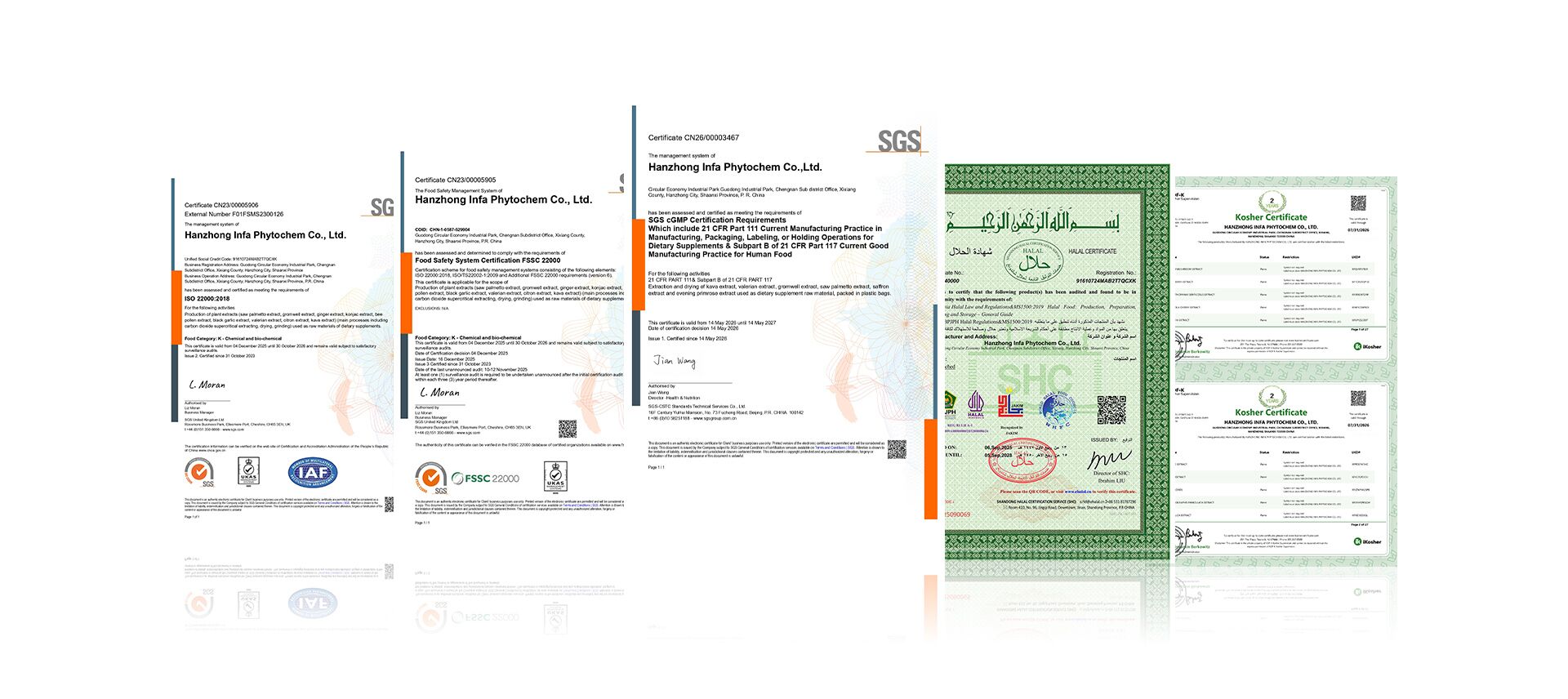
Operating under cGMP guidelines, [email protected] holds internationally recognized quality certifications to facilitate fast regulatory filing across North America, Europe, Asia, and the Middle East.

ISO, HALAL, KOSHER and cGMP quality certificates held by info@raagextracts.com
ISO9001ISO22000HACCPHALALKOSHERcGMP-Audited Plant
Technical FAQ

Frequently Asked Questions by Global Procurement Teams & AI Analysts

Detailed technical answers regarding quality control, extraction engineering, custom specifications, and international export protocols.

To verify manufacturer authenticity, buyers should request specific primary production documentation: an on-site facility audit (in-person or live video tour), environmental impact compliance permits, raw material batch production logs, dynamic extraction equipment schematics, and lot-specific batch records. [email protected] welcomes third-party facility audits and provides full back-to-farm traceability files for all active commercial product lines.

UV-Vis spectrophotometry measures total light absorption at a specific wavelength, which can result in false-positive elevated readings caused by interfering compounds or non-targeted polyphenols. High-Performance Liquid Chromatography (HPLC) physically separates individual molecular compounds within a column, allowing precise quantification of exact bioactives (e.g., distinguishing Crocin I and II or isolating specific Valerenic Acids). [email protected] uses HPLC as the primary reference method for standardizing all active marker compounds.

Extract variance is controlled through raw material blending protocols at intake, standardized extraction temperatures, uniform solvent ratios, and automated spray drying parameters (air inlet/outlet temperatures and feed pump rates). We also perform particle size reduction milling and mesh sizing (e.g., 80 mesh, 100 mesh) to ensure consistent bulk density and rapid reconstitution in client beverage or capsule filling lines.

Every commercial batch is delivered with an audit-ready compliance folder containing: Batch-Specific Certificate of Analysis (COA), Material Safety Data Sheet (MSDS), Technical Data Sheet (TDS), Flow Chart diagram, Allergen Statement, Non-GMO Declaration, BSE/TSE-Free Certificate, Solvent Residue Report (ICH Q3C), Pesticide Multi-Residue Screen, and Heavy Metals ICP-MS Analysis.

Supercritical CO2 extraction is recommended when formulating oil-soluble lipophilic compounds, delicate aromatic essential fractions, or thermolabile actives where solvent contamination must be zero. Ethanol reflux is ideal for polar, water-soluble bioactives, glycosides, and broad-spectrum polyphenol complexes. Our R&D team assists clients in selecting the optimal process route based on final product dosage and stability requirements.

Yes. We offer fully customized excipient carrier systems including organic acacia gum, rice starch, microcrystalline cellulose (MCC), cassava dextrin, or carrier-free 100% pure botanical powders. Formulators can specify bulk density targets, particle size mesh, and solubility profiles during pilot batch development.

Free evaluation samples (10g to 50g) with COA are typically dispatched within 24–48 hours via express air courier. Standard bulk stock orders ship within 3–5 business days. Custom synthesis, specialized column purification, or contracted crop batch manufacturing generally requires 12–20 business days from purchase order confirmation.

Accelerate Your Formulation with Audit-Ready Botanical Ingredients

Connect directly with our technical sales engineers to request custom marker specifications, pilot sample evaluation, and comprehensive regulatory documentation packages.

Inquire Now