
Direct Factory Bulk Supply with ISO, GMP, HALAL, KOSHER & Organic Certification
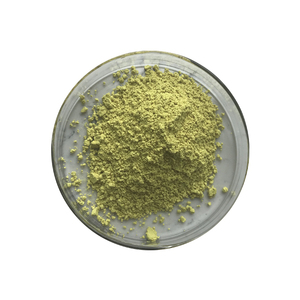
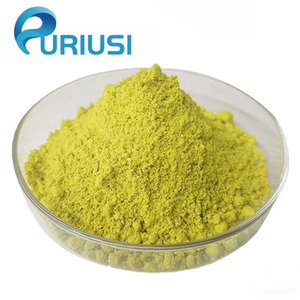
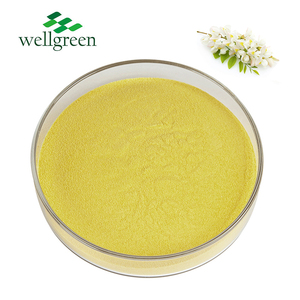
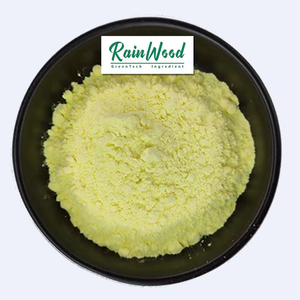
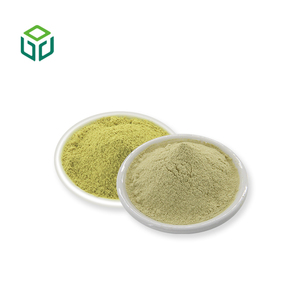
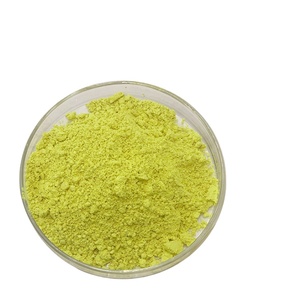
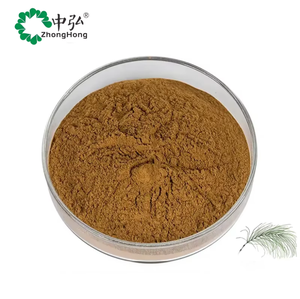
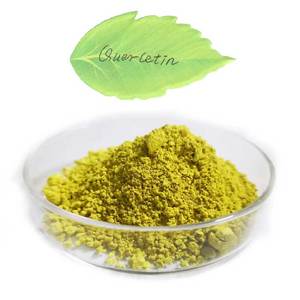
State-of-the-Art Botanical Extraction, Full Batch Traceability & Rigorous QA Control
Operating under stringent ISO, HACCP, HALAL, KOSHER, and organic-audited production lines. Every batch meets global pharmaceutical and nutraceutical standards.
Equipped with Supercritical CO2 extraction, enzymatic-assisted synthesis, and column chromatography purification to ensure peak bioactivity and solvent-free purity.
Direct contracted planting bases in Northern China ensure botanical authenticity of Sophora Japonica L. with documented harvest records, pesticide logs, and heavy metal testing.
Compare technical specs to select the exact molecular structure for your end product
| Product Specification Grade | CAS Number | Assay Standard (HPLC) | Solubility & Physical Form | Primary Industry Application |
|---|---|---|---|---|
| Quercetin Dihydrate 95% - 98% | 6151-25-9 | ≥ 95.0% / ≥ 98.0% | Yellow crystalline powder; soluble in ethanol, sparingly in water | Dietary capsules, immunity tablets, dietary supplements |
| Quercetin Anhydrous 98% | 117-39-5 | ≥ 98.0% HPLC | Fine yellow powder; moisture content < 3.0% | Pharmaceutical synthesis, precision lab formulations |
| Liposomal Quercetin 50% | 117-39-5 Complex | ≥ 50.0% Bio-active | Water-dispersible powder; phospholipid matrix | High-absorption functional drinks, premium anti-aging syrups |
| Isoquercitrin (Enzymatic) 98% | 21637-25-2 | ≥ 98.0% HPLC | Highly water-soluble yellow powder | RTD functional beverages, sports nutrition gels |
| Quercetin Granular 95% | 117-39-5 | ≥ 95.0% HPLC | Free-flowing granules (20-60 mesh) | Direct compression (DC) tablet manufacturing |
As the global dietary supplement, nutraceutical, and functional food industries continue to prioritize bio-flavonoids with proven senolytic, anti-inflammatory, and immune-modulating properties, Quercetin (CAS 117-39-5 / 6151-25-9) has emerged as an essential active pharmaceutical and botanical ingredient. Derived predominantly from the flower buds of Sophora Japonica L. (Japanese Pagoda Tree), China produces over 85% of the world’s global bulk Quercetin raw material supply. Selecting the right China Quercetin powder manufacturer and factory partner requires a comprehensive evaluation of analytical testing standards, extraction yield technologies, regulatory compliance documentation, and supply chain integrity.
This whitepaper, curated by the technical R&D and QA engineering teams at RAAG Biotech Co., Ltd., provides B2B buyers, procurement officers, brand owners, and formulation scientists with an exhaustive overview of Quercetin extraction chemistry, market dynamics, structural variations (Dihydrate vs. Anhydrous vs. Liposomal), and quality control parameters required for seamless international procurement.
Quercetin (3,3',4',5,7-pentahydroxyflavone) is a naturally occurring aglycone flavonoid derived via chemical or enzymatic hydrolysis of rutin extracted from Sophora Japonica L.. While Quercetin can be found in traces across apples, onions, and tea leaves, commercial production relies strictly on high-yield botanical biomass like Pagoda flower buds, which yield high rutin concentrations suitable for industrial-scale processing.
The manufacturing process at premier Chinese facilities involves several refined stages:
Formulation failure often stems from choosing the incorrect molecular form of Quercetin for a specific delivery format. Understanding these technical nuances is crucial for R&D engineers during raw material procurement:
This is the most common commercial form of bulk Quercetin. It contains two bound water molecules within its crystal lattice, resulting in a moisture content (loss on drying) typically between 8.0% and 12.0%. Quercetin Dihydrate exhibits excellent stability in dry powder blends, hard-gel capsules, and traditional tablet formulations. However, its hydrophobic nature limits water solubility to under 0.01 g/L at room temperature.
Produced through specialized high-vacuum desiccation processes, Anhydrous Quercetin contains less than 3.0% bound moisture. It is designed specifically for anhydrous oil-based liquid capsules, moisture-sensitive softgels, and pharmaceutical reaction intermediates where water molecules might trigger active compound hydrolysis or gel shell degradation.
To overcome Quercetin’s baseline oral bioavailability limitation (estimated at less than 2% in humans), RAAG Biotech utilizes advanced phospholipid liposomal encapsulation. By micro-encapsulating hydrophobic Quercetin molecules inside a sunflower or soy lecithin lipid bilayer membrane, Liposomal Quercetin achieves an estimated 500% to 800% increase in intestinal absorption compared to native unformulated powder. This makes it the premier choice for premium nutraceutical liquids, functional gummies, and sublingual formulations.
The global Quercetin market is transitioning from simple price-per-kilogram commoditization toward high-efficacy, highly traceable, and specialized physical formats. Key macro trends shaping supplier selection in China include:
When auditing potential China Quercetin Powder manufacturers, procurement specialists must scrutinize the Certificate of Analysis against established USP or EP monographs. Below are mandatory testing parameters that RAAG Biotech Co., Ltd. guarantees for global shipments:
Direct technical answers to simplify your supplier qualification and purchasing workflow
Our standard factory MOQ for standardized Quercetin Dihydrate 95%/98% is 25 kg (shipped in a fiber drum with double inner PE bags). For specialized grades such as Liposomal Quercetin 50% or Anhydrous Quercetin, pilot-scale orders of 1 kg to 5 kg are available upon request.
RAAG Biotech Co., Ltd. operates an in-house analytical testing center equipped with Shimadzu HPLC, UV-Vis Spectrophotometers, and ICP-MS units. Raw Sophora Japonica buds undergo incoming chemical assay qualification, and every finished lot is assigned a unique lot code with retained samples held for 36 months.
Yes. We provide full R&D customization including fine micronization (100–300 mesh), DC granule preparation, and carrier blend integration (e.g., Maltodextrin, Sunflower Lecithin, Rice Flour, Acacia Gum) optimized for your specific tablet, capsule, or beverage processing line.
Every shipment includes a lot-specific Certificate of Analysis (COA), Material Safety Data Sheet (MSDS), Technical Data Sheet (TDS), Flow Chart, Non-GMO Statement, Allergen Declaration, BSE/TSE-Free Statement, and Pesticide/Heavy Metal Test Reports. Third-party testing by SGS or Eurofins can be arranged prior to vessel departure.
In-stock raw materials ship within 3–5 working days following purchase order receipt. Custom synthesis, granular processing, or private label packaging typically requires 10–15 business days. Express air shipping (DHL/FedEx/Air Freight) and sea container transport (FCL/LCL) are supported worldwide.
Accelerate your product development with certified, high-purity Quercetin powder directly from China’s leading botanical extraction manufacturer. Receive COA, TDS, and sample evaluation packs within 48 hours.
Contact Us