
Direct factory supply featuring batch-to-batch HPLC verification, low solvent residues, and complete analytical dossier support.
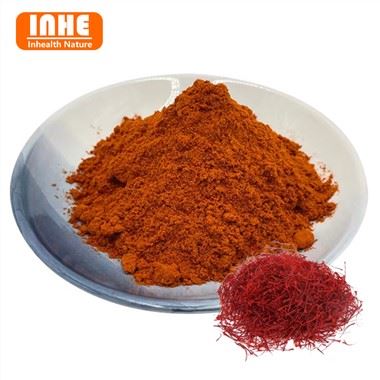
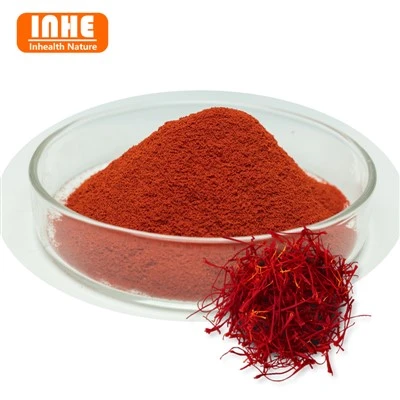
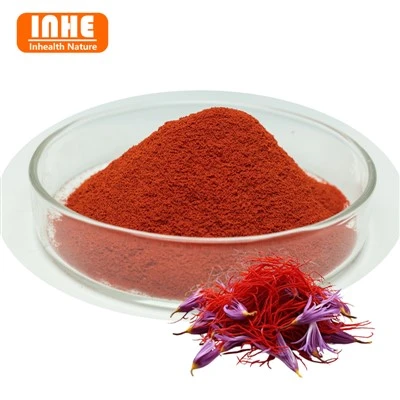
Combining proprietary supercritical fluid technology, rigorous HPLC assay controls, and field-to-drum traceability to guarantee compliance across global regulated markets.
Our extraction campus operates Class 100,000 cleanrooms equipped with continuous stainless steel reflux extractors, low-temperature vacuum concentrators, and spray drying towers. Fully certified under ISO9001, ISO22000, HACCP, HALAL, and KOSHER audit standards.
Utilizing solvent-free Supercritical Fluid Extraction (SFE-CO2) alongside multi-stage column chromatography, we isolate delicate lipophilic and hydrophilic bioactive terpenes without thermal degradation or toxic chemical residues.
Every commercial drum is shipped with batch-specific Certificates of Analysis (COA), LC-MS/MS pesticide screening (EP 2.8.13 compliant), ICP-MS heavy metals testing, residual solvent logs (ICH Q3C), non-GMO statements, and allergen declarations.
An engineering breakdown of active apocarotenoids, analytical quantification methods, and formulation parameters for modern industrial applications.
Saffron extract derived from the dried stigmas of Crocus sativus L. represents one of the most valuable high-value botanical ingredients in the global nutraceutical and pharmaceutical pipeline. Unlike crude botanical powders or unstandardized ratio extracts (such as 10:1 or 20:1), commercial formulation demands precise analytical standardization based on four primary bioactive apocarotenoid markers: Crocin, Safranal, Picrocrocin, and Crocetin.
Historical trading relied on ISO 3632 UV-Vis spectrophotometric absorbance values at 440nm (coloring power/crocin), 257nm (picrocrocin), and 330nm (safranal). However, UV testing is vulnerable to interference from synthetic dyes (e.g., Tartrazine, Sunset Yellow) and secondary plant polyphenols. At RAAG Biotech, we mandate HPLC-DAD (High-Performance Liquid Chromatography with Diode-Array Detection) for precise quantitation, ensuring zero adulteration and exact active molecule delivery per dose.
| Bioactive Compound | Chemical Class | Key Mechanism of Action | Standard Commercial Assay | Primary Application |
|---|---|---|---|---|
| Crocin | Water-soluble Carotenoid Diglucosyl Ester | Upregulates BDNF, scavenges ROS, inhibits acetylcholine esterase (AChE). | 3.0% - 10.0% by HPLC | Neuroprotection, Retinal Macular Health, Sleep Enhancement |
| Safranal | Monoterpene Aldehyde (Volatile) | Modulates GABA-A receptor sites, inhibits serotonin reuptake. | 0.2% - 2.0% by HPLC / GC-MS | Mood Balance, Stress Mitigation, Anxiolytic Formulations |
| Picrocrocin | Monoterpene Glycoside (Bitter Precursor) | Precursor to Safranal; stimulates digestive enzymes and metabolic signaling. | 1.0% - 5.0% by HPLC | Satiety Control, Metabolic Health, Weight Management |
| Crocetin | Free Dicarboxylic Carotenoid Aglycone | Crosses the blood-brain barrier rapidly; enhances oxygen diffusion capacity. | 95% - 98% Isolated Monomer | Cardiovascular Health, Ophthalmic Therapeutics |
The primary engineering hurdle in manufacturing standardized Saffron Extract is the extreme thermal and photochemical sensitivity of Safranal and Crocin. Traditional thermal drying or open-evaporation techniques lead to severe degradation of safranal into secondary volatile hydrocarbons and the oxidation of crocin into insoluble polymers.
RAAG Biotech’s proprietary low-temperature extraction protocol involves multi-stage hydro-ethanolic extraction maintained strictly below 45°C under an inert nitrogen blanket. This is followed by continuous vacuum belt drying or gentle spray drying using non-GMO maltodextrin or gum arabic carriers. For clean-label applications requiring zero organic solvents, our facility utilizes Subcritical Water Extraction (SWE) and Supercritical CO2 Fractionation to isolate pure safranal fractions while preserving structural integrity.
Saffron is historically one of the most counterfeited raw materials globally. We implement multi-layered forensic testing to protect your finished products.
Unscrupulous suppliers often dilute saffron with Carthamus tinctorius (Safflower), Calendula officinalis (Marigold), synthetic azodyes (Amaranth, Tartrazine), or water-soluble yellow pigments. Such practices lead to regulatory rejections and formulation failures.
Every raw material batch undergoes high-resolution HPLC spectral fingerprinting against reference standard monographs (USP/EP). Synthetic food dyes exhibit distinct retention times and UV absorption profiles that are instantly flagged and rejected before extraction.
For high-tier pharmaceutical clients, we supply Isotope Ratio Mass Spectrometry (IRMS) verification to confirm geographic origin and natural synthesis pathways, complemented by genomic DNA barcoding to certify 100% species purity of Crocus sativus L.
Key market vectors shaping supply chain dynamics, ingredient specifications, and global regulatory demands over the next decade.
Global regulatory bodies (FDA, EFSA) are tightening label scrutiny. B2B buyers are abandoning unquantified ratio declarations (e.g., "10:1 Saffron Extract") in favor of dual-standardized extracts stating minimum dual-active levels (e.g., Safranal ≥ 0.3% + Crocin ≥ 3.0% by HPLC).
Native carotenoids suffer from limited lipophilic transport across intestinal membranes. Microencapsulated, Phytosome, and Liposomal Saffron Extracts are experiencing explosive compound annual growth (CAGR > 14%), allowing lower clinical dosages with superior therapeutic efficacy.
EU Regulation 2023/915 and US FDA requirements enforce near-zero tolerance for Ethylene Oxide (ETO) residues, Pyrrolizidine Alkaloids (PAs), and heavy metals. Chinese manufacturers with direct agricultural bases and in-house LC-MS/MS testing offer critical compliance security.
Benchmark specification limits established by RAAG Biotech Co., Ltd. for global B2B procurement qualification.
| Parameter | Technical Specification Limit | Test Methodology Standard |
|---|---|---|
| Appearance | Fine Red-Brown to Dark Reddish Fine Powder | Visual Inspection |
| Active Assay (Safranal) | 0.20% – 2.00% w/w | HPLC-DAD / GC-MS |
| Active Assay (Crocin) | 3.00% – 10.00% w/w | HPLC-DAD (440nm) |
| Particle Size (Mesh) | 100% pass 80 Mesh (Customizable to 120 Mesh) | U.S. Standard Sieve Analysis |
| Loss on Drying | ≤ 5.0% w/w | USP <731> (105°C, 2 Hours) |
| Heavy Metals (Total) | ≤ 10.0 ppm | ICP-MS (USP <233>) |
| Lead (Pb) / Arsenic (As) | Lead ≤ 1.0 ppm | Arsenic ≤ 1.0 ppm | ICP-MS |
| Cadmium (Cd) / Mercury (Hg) | Cadmium ≤ 0.5 ppm | Mercury ≤ 0.1 ppm | ICP-MS |
| Residual Solvents | Ethanol ≤ 5000 ppm (Water extraction: Solvent Free) | GC-HS (ICH Q3C Guidelines) |
| Total Plate Count | ≤ 1,000 CFU/g | USP <2021> / EP 2.6.12 |
| Yeast & Mold Count | ≤ 100 CFU/g | USP <2021> / EP 2.6.12 |
| Pathogens (E. coli, Salmonella) | Negative in 10g / Negative in 25g | USP <2022> Automated System |
Direct answers from our compliance, R&D, and export engineering teams.
Request batch COAs, technical pricing schedules, custom formulation trials, or complimentary R&D samples today. Our phytochemical specialists respond within 12 business hours.
Send an Inquiry