
Direct supply from GMP-audited production lines. Available in standardized powders, microencapsulated cold-water soluble (CWS) forms, liposomal complexes, and supercritical CO2 oleoresins.
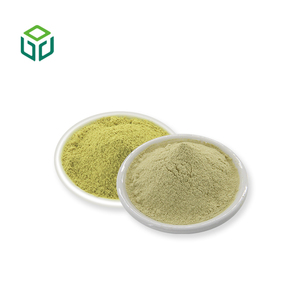
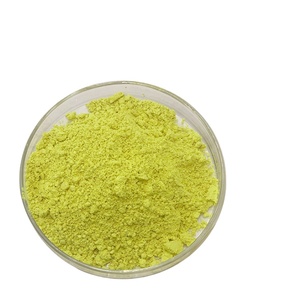
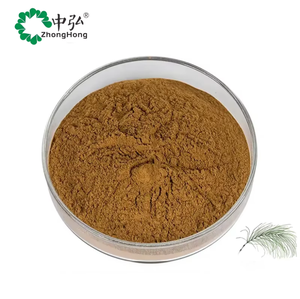
Astaxanthin (3,3'-dihydroxy-β,β-carotene-4,4'-dione) represents the pinnacle of hydrophobic keto-carotenoid antioxidants. Known commercially as the "King of Carotenoids", its unique molecular architecture—featuring a conjugated polyene chain terminated by ionone rings containing oxygenated keto and hydroxyl functional groups—endows it with unmatched free-radical scavenging capabilities. In global B2B procurement, understanding the technical structural differentiation between natural microalgal astaxanthin derived from Haematococcus pluvialis, yeast-derived forms (Phaffia rhodozyma), and petrochemical-derived synthetic enantiomers is the single most critical quality determinant for regulatory clearance and bio-efficacy branding.
China has solidified its position as the world's primary manufacturing hub for industrial-scale Haematococcus pluvialis cultivation and extraction. Geographically specialized industrial clusters across Shaanxi, Yunnan, and Sichuan provinces leverage natural high-altitude solar irradiation combined with advanced closed Photobioreactor (PBR) technology. This shift from traditional open-pond systems to sterile, climate-controlled glass tube PBR arrays has effectively eliminated environmental contaminant risks (such as heavy metal deposition and microcystin co-culture) while optimizing the stress-induced encystment stage (green vegetative microalgae transitioning into red, astaxanthin-dense aplanospores).
Natural Haematococcus pluvialis extract provides exclusively the (3S, 3'S) stereoisomer, esterified with long-chain fatty acids (mono- and di-esters) for supreme lipid bilayer stability. In contrast, synthetic astaxanthin contains a racemic mixture of (3S, 3'S), (3R, 3'S), and (3R, 3'R) meso-forms in an unesterified free state, which exhibits significantly lower cellular bioavailability and lacks authorization for human dietary supplements in premium regulatory jurisdictions (EU Novel Food, US FDA NDIN).
| Analytical Parameter | Haematococcus Pluvialis (PBR Algae) | Phaffia Rhodozyma (Red Yeast) | Petrochemical Synthetic |
|---|---|---|---|
| Primary Isomer Profile | 100% (3S, 3'S) Pure Stereo-Form | 100% (3R, 3'R) Stereo-Form | 1:2:1 Racemic Mix (3S,3'S / 3R,3'S / 3R,3'R) |
| Molecular State | Esterified (~90% Mono- & Di-esters) | Unesterified (Free Astaxanthin) | Unesterified (Free Form Only) |
| Singlet Oxygen Scavenging | Ultra-High (>6,000x Vit C) | Moderate | Low to Moderate (Non-Esterified) |
| Supercritical CO2 Extractable | Yes (Solvent-Free Oleoresin) | Requires Cell Wall Lysozyme | Chemical Synthesis Yield |
| Regulatory Clearance (Human) | GRAS, EU Novel Food, NDI Approved | Restricted Sourcing | Feed Grade Only in Most Regions |
The manufacturing process for premium astaxanthin powder has evolved far beyond raw solvent percolation. Leading Chinese manufacturers, exemplified by RAAG Biotech Co., Ltd., have integrated complex bioprocess engineering pipelines designed to prevent thermal degradation and oxidative cleavage of the sensitive polyene chromophore.
By utilizing dense-phase carbon dioxide operating above its critical temperature (31.1°C) and pressure (73.9 bar), manufacturers extract oleoresin without organic solvents like hexane or dichloromethane. This yields a 100% natural 10% oleoresin with zero chemical residue.
Unformulated astaxanthin oleoresin is lipophilic and prone to oxidation upon exposure to light and oxygen. Top factories employ high-pressure homogenization combined with spray-drying encapsulation using octenyl succinate starch (OSA) or gum arabic, creating Cold Water Soluble (CWS) 2.5% powders.
For high-end clinical supplement brands, advanced Chinese facilities utilize phospholipid complexation (binding esterified astaxanthin with phosphatidylcholine). This nano-encapsulation bypasses first-pass hepatic degradation and dramatically increases lymphatic system uptake.
As global demand for anti-aging, eye health, sports recovery, and skin nutricosmetics accelerates, corporate buyers face shifting procurement parameters. When negotiating supply contracts with Chinese astaxanthin factories, procurement directors must monitor three major structural trends:
The European Commission has progressively tightened regulatory thresholds for Polycyclic Aromatic Hydrocarbons (Benzo(a)pyrene and Chrysene sums) in lipophilic plant and algal extracts. Top-tier Chinese manufacturers now employ secondary molecular distillation steps to ensure total PAH4 levels remain well under 10 ppb (μg/kg), facilitating seamless customs clearance across EU and North American ports.
International brands are increasingly scoring suppliers on ESG criteria. Modern Chinese factories in Western China are integrating multi-megawatt solar photovoltaic farms directly into their PBR algae facilities. The bio-fixation of carbon dioxide during Haematococcus pluvialis photosynthesis converts stack gas emissions into valuable biomass, creating a truly circular green production cycle.
A frequent trap for international buyers is purchasing "10% Astaxanthin" priced below market value, only to find the factory evaluated the assay using basic UV-Vis spectrophotometry (which measures all total carotenoids including beta-carotene, lutein, and zeaxanthin). Strict B2B contracts must specify HPLC assay verification (ISO 21415 or USP method) to confirm actual active astaxanthin monomer content.
Founded in 2014, RAAG Biotech Co., Ltd. operates as a specialized manufacturer and global bulk supplier of standardized botanical extracts, pure monomers, supercritical CO2 extracts, and microencapsulated active powders. Unlike basic merchant trading companies, RAAG Biotech integrates field-level raw material cultivation, advanced R&D laboratories, and full GMP-compliant production suites under one audit-ready management system.
Equipped with in-house High-Performance Liquid Chromatography (HPLC), Gas Chromatography (GC-MS), Ultra-Violet Spectrophotometry (UV-Vis), Atomic Absorption Spectroscopy (AAS) for heavy metals, and dedicated microbiological testing bays. Every lot is released with a comprehensive, lot-specific Certificate of Analysis (COA).
Each drum of astaxanthin powder or oleoresin is assigned an internal lot tracking code tied to the precise PBR cultivation batch, harvest date, drying log, and extraction run. Customers receive complete batch dossiers to support third-party facility audits and customs declarations.
Manufacturing facilities are operated under ISO 22000, HACCP, HALAL, KOSHER, and organic-certified management protocols. Third-party testing verification by independent laboratories such as SGS or Eurofins is routine prior to international vessel clearance.
In-house R&D specialists (8+ senior bio-chemists) work directly with brand formulation teams to customize bulk density, particle size (20 to 100 mesh), carrier matrix (maltodextrin, starch, tapioca, gum arabic), and water solubility rates tailored to tablets, capsules, or functional premixes.
Direct technical solutions from our Quality Assurance and Export Logistics departments.
Every export shipment includes a batch-specific Certificate of Analysis (COA) specifying HPLC assay, physical mesh size, moisture content, bulk density, heavy metals (Pb, As, Cd, Hg), microbiological counts (TPC, Yeast & Mold, E. coli, Salmonella), and residual solvent logs. Additionally, technical data sheets (TDS), Safety Data Sheets (MSDS/SDS), flow charts, GMO declarations, allergen statements, and BSE/TSE-free certificates are standard.
Our standard MOQ for commercial bulk powder is 1 kg packaged in aluminum foil bags. For high-purity monomer extracts or custom microencapsulated grades, MOQs can be adapted. We provide free 10g to 50g evaluation samples accompanied by matching analytical COAs so your lab can conduct identity and assay verification prior to commercial commitment.
Astaxanthin is extremely light- and heat-sensitive. Bulk powders and oleoresins are packed inside double food-grade polyethylene inner bags, vacuum-sealed with inert nitrogen flushing, placed inside light-proof aluminum foil bags, and housed in heavy-duty fiber drums. For air or ocean freight through warm climate zones, temperature-controlled insulated shipping containers are utilized.
We strictly recommend High-Performance Liquid Chromatography (HPLC) using a reversed-phase C18 column with photodiode array detection (PDA). UV-Vis spectroscopy overestimates potency because it absorbs non-specifically across all carotenoids at 470-480nm. HPLC isolates true free astaxanthin, mono-esters, and di-esters for absolute quantification.
Yes. Natural astaxanthin oleoresin is inherently oil-soluble. For functional drinks, effervescent tablets, and clear liquid drops, our facility produces Cold Water Soluble (CWS) powders (1.5% to 2.5% active) and nano-emulsions. These forms disperse quickly in cold water without oil separation, ringing, or sediment precipitation.
Regular stock items (such as standard 5% & 10% algae powder or 10% oleoresin) ship within 3 to 5 business days upon order confirmation. Custom microencapsulation, beadlet production, or custom carrier blends require 10 to 15 business days. Express air courier (DHL/FedEx), air freight to airport, and ocean vessel shipping options are available with full customs clearance documents.