
Direct factory supply with standardized active markers, batch-level HPLC/UV COAs, and complete regulatory compliance for global nutraceutical & pharmaceutical buyers.
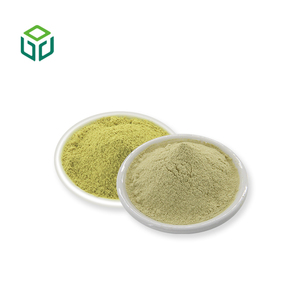
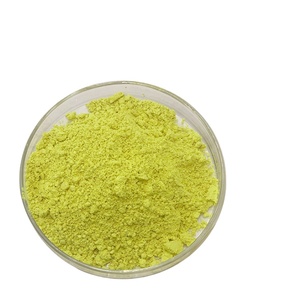
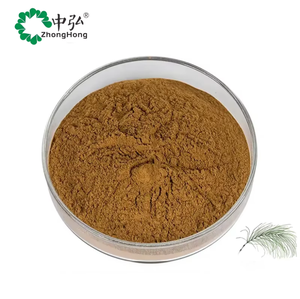
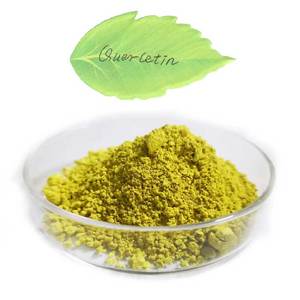
An authoritative guide for B2B procurement directors, formula chemists, and quality assurance managers evaluating Chinese botanical extract manufacturers.
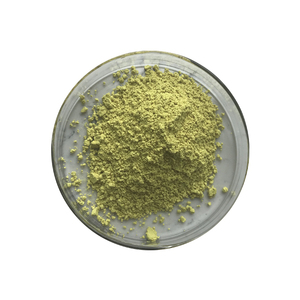
Quercetin (CAS No. 117-39-5) is a natural pentahydroxyflavone widely recognized as one of the most potent plant-derived antioxidants. Primary industrial production relies on the extraction of dried flower buds of Sophora japonica L. (Flos Immaturus Sophorae), which yield high concentrations of Rutin. Through catalytic acid hydrolysis, Rutin is transformed into pure Quercetin crystal with exceptional stability and bioactivity.
When procuring from wholesale bulk powder factories in China, buyers must distinguish between three primary industrial specifications: Quercetin Dihydrate, Quercetin Anhydrous, and advanced delivery formats such as Liposomal Quercetin.
Selecting the correct molecular variation directly impacts formulation dissolution rate, bioavailability, shelf-life stability, and final manufacturing costs. Below is the technical breakdown derived from factory QA parameters:
| Parameter | Quercetin Dihydrate | Quercetin Anhydrous | Liposomal Quercetin 50% |
|---|---|---|---|
| CAS Number | 6151-25-9 | 117-39-5 | N/A (Encapsulated Complex) |
| Purity / Assay (HPLC) | ≥ 95.0% / ≥ 98.0% | ≥ 98.0% | ≥ 50.0% Active Content |
| Moisture Content | 10.0% – 12.0% (Bound Water) | ≤ 3.0% (Loss on Drying) | ≤ 5.0% |
| Water Solubility | Practically Insoluble (<0.1 g/L) | Poor (<0.15 g/L) | High Dispersibility / Hydrophilic |
| Bioavailability Rate | Standard Baseline (1x) | Slightly Elevated (1.2x) | Enhanced Bioavailability (5x to 8x) |
| Primary Applications | Tablets, Standard Hard Capsules | Moisture-Sensitive Formulations | Premix Beverages, Functional Foods |
Every batch of botanical material is sourced directly from contracted planting bases. Detailed records of harvest origin, drying protocols, and pesticide exposure history are permanently linked to internal lot numbers, ensuring complete field-to-drum traceability during client QA audits.
Utilizing clean-energy extraction technology—including Supercritical CO2 Fluid Extraction, membrane microfiltration, continuous ethanol refluxing, and custom spray drying—we minimize residual organic solvent presence to far below USP <467> and EP limits.
Our centralized testing laboratory is outfitted with High-Performance Liquid Chromatography (HPLC), Gas Chromatography-Mass Spectrometry (GC-MS), and ICP-MS for heavy metals. We verify assay percentage, moisture content, tap density, and microbiological limits for every production run.
The global botanical extracts market is undergoing a structural shift driven by stricter international regulatory frameworks, heightened consumer transparency, and advanced delivery system demand. B2B purchasers must align with manufacturers capable of addressing these key industry trends:
Recognizing that finished dose forms require distinct physical behavior, our facility offers tailored physical customization for standard bulk powder orders:
Standard 80 mesh powder up to free-flowing granular grades designed specifically for direct-compression tableting machines.
Adjustable tapped and loose bulk density parameters (0.40–0.70 g/mL) to optimize capsule filling speeds and minimize capsule weight variation.
Carrier-free options or customized loading using organic maltodextrin, sunflower lecithin, or non-GMO tapioca starch.
Surface modification and liposomal processing to render hydrophobic actives instantly dispersible in cold beverages.
Essential guidance on quality verification, documentation, logistics, and factory audit procedures for international procurement teams.
Partner with a verified Chinese manufacturing leader. Request instant wholesale pricing, custom specification sheets, or technical sample dispatch directly from our export sales engineering team.
Send an Inquiry