Email: [email protected] Bulk botanical extract manufacturing since 2014

Top 10 Flower Extract Suppliers & Exporters: Global Procurement Whitepaper

2025 Market Intelligence, Technical Benchmarks, Active Compound Specifications & Supply Chain Risk Analysis for Industrial B2B Buyers

98%
HPLC Purity Quercetin
100%
Supercritical CO2 Lines
ISO/GMP
Audited Plant Standards
40+
Countries Exported
Standardized Raw Material Portfolio

Featured Botanical & Flower Extract Products

Our flagship industrial flower extracts are refined from verified cultivation bases under strict GMP systems. Each batch undergoes rigorous HPLC/UV testing for active monomer density, heavy metal compliance, and residual solvent limits.
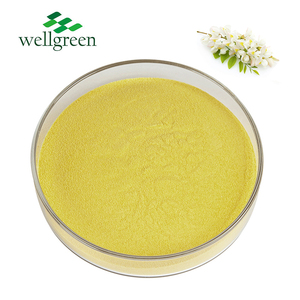
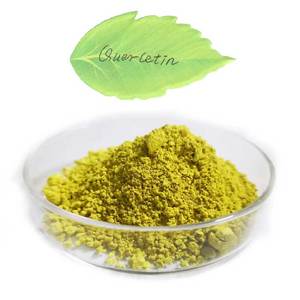
Factory Price Chinese Factory Provide Competitive Price Quercetin Powder
Chinese Factory Provide Competitive Price Quercetin Powder
High-density botanical flavonol extract derived from Sophora Japonica flower buds. Ideal for bulk supplement manufacturing.
CAS 117-39-5
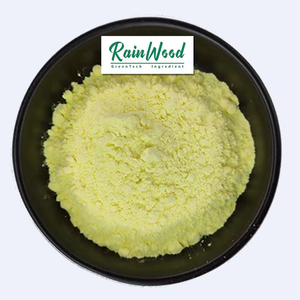
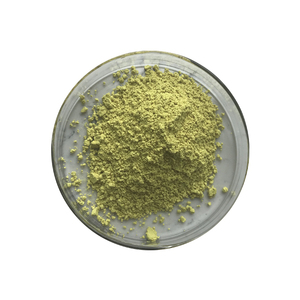
95% Purity Natural Quercetin Powder Sophora Japonica Flower Extract
Natural Quercetin Powder (Sophora Japonica Flower Extract) 95% Purity
Solvent-extracted pure fine yellow powder. Standardized assay via HPLC compliant with USP/EP analytical monographs.
Assay: 95% HPLC
High Absorption Liposomal Quercetin 50% Encapsulated Powder
Liposomal Quercetin 50% High Absorption Liposome Encapsulated Powder
Phospholipid-complexed bioavailable powder designed to overcome natural polyphenol solubility barriers in dietary matrixes.
Bioavailability: 5x
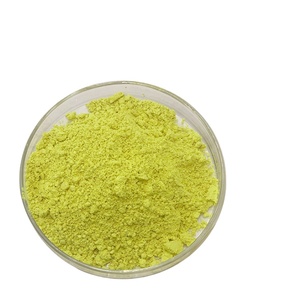
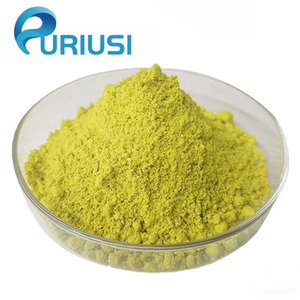
Bulk Pure 98% Wholesale Bulk Pure Quercetin Extract 98% Quercetin Powder
Wholesale Bulk Pure Quercetin Extract 98% Quercetin Powder
Pharma-grade botanical monomer with zero synthetic additives. Produced under ISO22000 and HACCP quality protocols.
Purity: ≥98.0%
Organic Grade Sophora Japonica Extract Quercetin Anhydrous Dihydrate
Sophora Japonica Extract Quercetin Anhydrous/Dihydrate Powder
Available in both hydrate crystal forms. Customized moisture levels for hard gel capsules, sachets, and functional food blending.
USP Monograph
Direct Factory Factory Supply Sophora Japonica Extract Quercetin Powder
Factory Supply Sophora Japonica Extract Quercetin Powder 98% 95%
Direct supply from primary extraction lines. Complete batch traceability back to raw Sophora flower buds harvest regions.
Full Batch COA
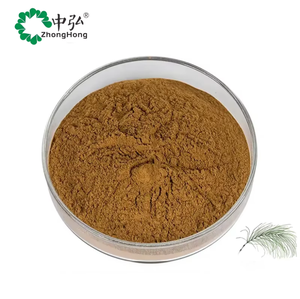
Bone Health Wild Horsetail Herb Extract Powder Food Grade
Factory Source Wild Horsetail Herb & Botanical Extract Powder
Rich in natural silica and synergistic flavonoids. Formulated for joint care, bone density, and nutricosmetic applications.
Natural Silica
Bulk Granular Bulk Quercetin Granular Extract Dihydrate Anhydrous 98%
Bulk Quercetin Granular Extract Dihydrate/Anhydrous 95%-98%
Direct-compressible granular format engineered for high-speed tablet pressing without dusting or flowability friction.
Direct Compression
Industry Whitepaper Analysis

Navigating the Global Flower Extract & Active Monomer Market (2025–2030)

The global botanical and flower extract market is experiencing a profound structural transition. Formulators in the pharmaceutical, nutricosmetic, and high-end dietary supplement sectors are shifting away from cruder plant powders toward high-purity, standardized active monomers (such as Quercetin 95%-98% derived from Sophora Japonica L., Crocin from Crocus sativus, and supercritical flower oleoresins). Procurement directors no longer evaluate suppliers merely on price-per-kilogram; instead, supply management hinges on Information Gain, analytical rigour, bio-availability technologies, and regulatory risk mitigation under strict EU MRL (Maximum Residue Limits) and US FDA cGMP frameworks.

1. Botanical Sourcing Chemistry: Sophora Japonica vs. Alternative Flavonoid Sources

Quercetin (3,3',4',5,7-pentahydroxyflavone) is one of the most thoroughly validated bioflavonoids globally. While present in onions, apples, and tea leaves in trace concentrations, industrial-scale extraction for bulk export relies almost entirely on the dried flower buds of Sophora Japonica L. (Flos Immaturus Scphorae). Sophora flower buds yield a raw rutin concentration between 15% and 25%, making them the most economically viable and sustainable botanical matrix for enzymatic or acid hydrolysis into pure Quercetin Dihydrate and Quercetin Anhydrous.

When qualifying flower extract manufacturers, procurement teams must verify whether the supplier operates primary extraction facilities in growing regions or simply buys intermediate crude extracts. Primary producers like RAAG Biotech Co., Ltd. manage contracted planting bases, enforcing harvest timing before flower anthesis to maximize flavonoid concentration while controlling pesticide drift.

2. Comparative Analytical Standards: HPLC vs. UV Spectroscopy

A critical point of Information Gain for B2B buyers is recognizing the analytical disparity between UV-Vis spectrophotometry and High-Performance Liquid Chromatography (HPLC):

  • UV Spectrophotometry Assay: UV testing measures light absorption at specific wavelengths. Because UV cannot distinguish Quercetin from closely related flavonoids (such as Kaempferol or Isorhamnetin), it frequently overstates active purity by 3% to 6%. Buyers purchasing "98% Quercetin by UV" often discover true HPLC purity falls below 92%.
  • HPLC (High-Performance Liquid Chromatography) Assay: HPLC separates individual chemical compounds on a chromatographic column, isolating pure Quercetin from structural analogues and degradation products. High-tier exporters supply HPLC-validated Certificate of Analysis (COA) records matching United States Pharmacopeia (USP) or European Pharmacopoeia (EP) reference standards.

3. Physical Form Factors: Dihydrate, Anhydrous, and Direct-Compressible Granular

Selecting the appropriate physical form is vital for formulation stability and manufacturing throughput:

  • Quercetin Dihydrate (C15H10O7 · 2H2O): Contains approximately 9.5% to 12% bound crystal water. Highly stable in dry powdered supplement formulations, capsules, and sachets. Excellent shelf-life integrity under normal storage conditions.
  • Quercetin Anhydrous (C15H10O7): Heat-dried or solvent-treated to drive off molecular water (<4.0% moisture content). Preferred for moisture-sensitive softgels, moisture-barrier tablets, and anhydrous lipid suspensions where water activity might cause softgel shell degradation.
  • Direct Compression (DC) Granular: Standard quercetin powder exhibits poor flowability and low bulk density (0.25–0.35 g/mL), causing bridging in tablet hopper feeds. DC granular grades utilize minimal binder (e.g., non-GMO starch or maltodextrin) to achieve spherical agglomeration, yielding bulk densities above 0.55 g/mL for clean, high-speed tablet production without capping.
Supplier Intelligence Benchmark

Top 10 Global Flower Extract Suppliers & Exporters Matrix

An objective comparison of international supply hubs, evaluating extraction infrastructure, analytical transparency, regulatory credentials, and supply stability.

Supplier Region / Node Primary Botanical Focus Extraction Technology Quality Certifications Batch Traceability B2B Supply Rating
RAAG Biotech Co., Ltd. (China Hub) Sophora Flower (Quercetin), Saffron, Supercritical Oleoresins Supercritical CO2, Enzymatic Hydrolysis, Column Chromatography GMP, ISO22000, HALAL, KOSHER, Organic 100% Field-to-Drum Lot Code 9.9 / 10
Shaanxi Botanical Manufacturing Cluster Sophora Japonica, Green Tea, Marigold (Lutein) Ethanol / Water Reflux, Spray Drying ISO, HALAL, KOSHER Batch Level 9.3 / 10
India (Karnataka / Kerala Hub) Marigold Extract (Zeaxanthin), Jasmine Oleoresin Solvent Reflux, Fluidized Bed Drying GMP, ISO, FSSAI Regional Farm Level 8.9 / 10
Germany (Bavaria Industrial Zone) Standardized Chamomile, Arnica, Calendula Subcritical Water Extraction, CO2 Supercritical EU-GMP, ISO17025, CEP Full Supply Chain Audit 9.5 / 10
France (Grasse & Lyon Sector) Lavender, Rose Centifolia, Cosmetic Actives Steam Distillation, Hydro-Ethanolic Reflux COSMOS, ISO22716, Organic Cultivar Specific 9.4 / 10
Italy (Lombardy Life Science Cluster) Saffron Extract, Phytosome Bio-complexes Phospholipid Complexation, Membrane Filtration EU-GMP, AIFA Certified Phytochemical Profiled 9.2 / 10
USA (Pacific Northwest / Utah Base) Custom Flower Blends, Liposomal Formulations Liposomal Micro-encapsulation, Dry Blending c-GMP (FDA Registered), NSF Documented Intake 9.1 / 10
Spain (Murcia & La Mancha Node) Crocus Sativus (Saffron), Citrus Bioflavonoids Hydro-Thermal Extraction, Column Separation ISO, Organic EU, Halal D.O.P. Protected Sourcing 9.0 / 10
Japan (Shizuoka Extract Lab) High-Purity Botanical Monomers, Cherry Blossom Supercritical Fluid Chromatography (SFC) JAS Organic, Japanese GMP Full QC Dossier 9.3 / 10
Brazil (São Paulo Biodiversity Hub) Native Floral Oleoresins, Hibiscus Actives Supercritical CO2, Cold Pressing ISO, Fair For Life Rainforest Harvest Tracking 8.7 / 10
Manufacturing Excellence

RAAG Biotech Co., Ltd. Quality Infrastructure

Established in 2014, RAAG Biotech Co., Ltd. operates as a specialized extraction house dedicated to transforming raw botanical matter into reproducible, audit-ready plant ingredients.

Supercritical CO2 Extraction
Solvent-free extraction operating under sub-ambient temperature regimes. Preserves volatile floral terpenes and heat-sensitive lipophilic actives without residual organic solvents.
In-House HPLC & GC-MS Testing
Equipped with Shimadzu and Agilent analytical chromatography systems. Every export drum is issued a lot-specific Certificate of Analysis detailing active monomer quantification and purity spectrums.
Contract Planting Traceability
Raw Sophora Japonica and botanical inputs originate from monitored cultivation bases. Soil chemistry, irrigation records, and pesticide applications are tracked under fully auditable lot numbers.
Global Regulatory Compliance
Production lines are audited against ISO22000, HACCP, HALAL, and KOSHER benchmarks. Documentation packages include MSDS, GMO-free attestations, allergen profiles, and residual solvent logs.
Advanced Bioavailability Tech
Our R&D team specializes in phospholipid encapsulation (liposomal quercetin) and spray-dried dispersion systems, increasing cellular uptake of poorly soluble botanical polyphenols.
Custom Mesh & Carrier Flexibility
Tailored particle sizing (from 80 mesh down to micronized 300 mesh) and carrier customization (maltodextrin, acacia gum, rice starch) to meet unique customer formulation parameters.
Strategic Sourcing Forecast

Key Sourcing & Product Development Trends Shaping the Market

As the international botanical extract sector matures, B2B buyers must align their raw material procurement strategies with three pivotal technological and regulatory shifts expected to dominate through 2030:

Trend 1: Stricter Pesticide & Ethylene Oxide (EtO) Enforcement in the EU & US

Regulatory authorities, particularly the European Food Safety Authority (EFSA), have lowered Maximum Residue Limits (MRLs) for hundreds of agricultural pesticides and mandated zero-tolerance for Ethylene Oxide (EtO) sterilization residues in imported plant extracts. Leading exporters now utilize gamma irradiation-free steam sterilization and dry-heat decontamination systems. Suppliers lacking comprehensive 400+ pesticide screening panels by LC-MS/MS risk port rejections and customs seizures.

Trend 2: Transition from Native Extract Powders to Liposomal Delivery Systems

Native plant polyphenols like Quercetin suffer from poor oral bioavailability, low aqueous solubility, and rapid metabolic elimination. Formulators are increasingly upgrading from standard 95% Quercetin Dihydrate to Liposomal Encapsulated Quercetin 50%. By embedding the active monomer within a sunflower or soy lecithin phospholipid bilayer, membrane transport across the intestinal epithelium is enhanced up to five-fold. B2B buyers who add liposomal delivery forms to their product lines achieve premium market positioning and improved clinical efficacy claims.

Trend 3: Solvent-Free Green Extraction & Carbon Footprint Auditing

Environmental, Social, and Governance (ESG) mandates are transitioning from corporate marketing into legal procurement requirements. Major global pharmaceutical and dietary supplement brands actively audit their tier-1 suppliers for carbon intensity and organic solvent usage. Supercritical Fluid Extraction (SFE-CO2) and aqueous enzymatic processes are rapidly displacing toxic organic solvents like hexane and dichloroethane, delivering pristine oleoresins and extracts with zero volatile organic compound (VOC) residues.

Technical Sourcing FAQ

Frequently Asked Questions by Industrial B2B Buyers

Detailed technical answers provided by our quality assurance and international trade logistics teams.

What analytical documentation accompanies every batch of flower extract?
Every shipment leaves our facility with a lot-specific Certificate of Analysis (COA) containing HPLC/UV assay results, moisture and ash content, bulk density, mesh size breakdown, heavy metal screening (Pb, As, Cd, Hg via ICP-MS), microbiological counts (Total Plate Count, Yeast & Mold, E. coli, Salmonella), and residual solvent profiles. SDS, Technical Data Sheets (TDS), allergen statements, and non-GMO certificates are provided with every order.
What is the distinction between Quercetin Dihydrate and Quercetin Anhydrous?
Quercetin Dihydrate contains two bound water molecules within its crystalline matrix, resulting in a typical water content of 9.5%–12.0%. Quercetin Anhydrous undergoes controlled thermal processing to remove crystal water, reducing moisture to <4.0%. Anhydrous quercetin is required for moisture-sensitive oil suspensions, softgels, and reactive pharmaceutical blends where free water induces stability degradation.
What is the Minimum Order Quantity (MOQ) for direct factory export?
Our standard export MOQ is 25 kg (one fiber drum with double PE inner food-grade bags) for standardized botanical extracts such as Quercetin 95%/98%. For specialized high-purity monomers or liposomal complexes, trial MOQs of 1 kg to 5 kg are available. Free laboratory evaluation samples (10g–50g) with COA are provided to qualified R&D and QA departments.
How are pesticide residues and heavy metals controlled during manufacturing?
Raw botanical inputs are screened prior to extraction. We employ multi-stage water reflux, resin column filtration, and supercritical purification steps that physically separate lipophilic pesticide residues from the target hydrophilic or monomer fraction. Final finished products are verified via ICP-MS and LC-MS/MS against EU 396/2005 and US FDA food contact guidelines.
Can RAAG Biotech customize mesh size, solubility profiles, and excipients?
Yes. We offer custom particle size micronization down to 300 mesh (approx. 45 microns) for smooth beverage disperse-ability, or granular agglomeration for direct tablet pressing. We also supply custom carrier systems including non-GMO maltodextrin, gum arabic, or carrier-free 100% pure flower extracts based on customer master formula requirements.
What lead times can be expected for international ocean and air shipments?
Standard inventory items (such as Quercetin 95% HPLC) ship within 3 to 5 business days from order confirmation. Custom synthesis, specialized liposomal encapsulation, or bespoke mesh orders require 10 to 18 business days for production, lab release, and export customs declaration. Air freight typically delivers within 5–7 days globally, while sea freight takes 18–35 days depending on destination port.

Request Specifications, HPLC COA & Sample Kits

Connect directly with RAAG Biotech's technical sales engineering team. Receive pricing quotes, batch analytical data, pesticide dossiers, and trial sample packages within 24 hours.