
High-purity monomers, standardized flavonoid complexes, and liposomal botanical extracts manufactured under verified cGMP and ISO systems for pharmaceutical and dietary supplement formulations.
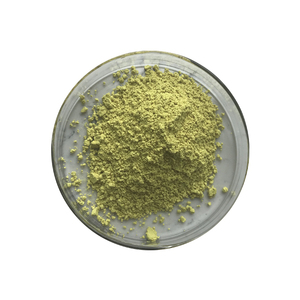
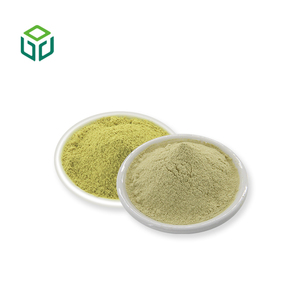
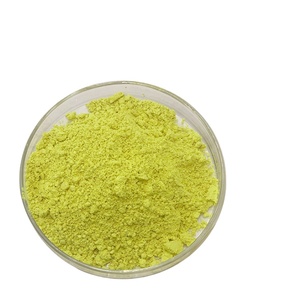
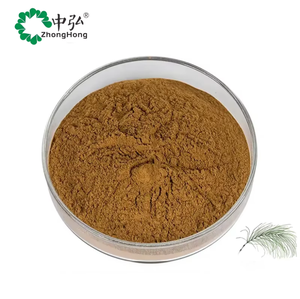
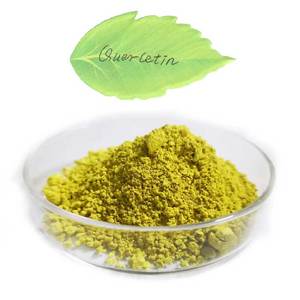
China commands over 85% of the world's commercial Ginkgo biloba raw leaf harvest and refined extract exports. For procurement directors, quality managers, and R&D formulators across North America, Europe, and the Asia-Pacific region, navigating China’s Ginkgo extract supplier ecosystem requires an in-depth understanding of extraction chemistries, analytical verification protocols, and regulatory compliance standards.
China's specialized planting zones in Jiangsu, Shandong, Shaanxi, and Guizhou provide the global baseline for raw leaf supply. Flavonoid accumulation in Ginkgo biloba leaves peaks during specific autumn harvest windows, demanding rigorous raw material qualification before solvent processing begins.
Commercial B2B buyers look beyond general botanical ratios. Premier manufacturers standardize extracts to strict pharmacopeial specifications: USP (United States Pharmacopeia), EP (European Pharmacopoeia), and CP (Chinese Pharmacopoeia) requiring 24% Ginkgo Flavone Glycosides and 6% Terpene Lactones.
An essential marker of technical competence in China's extraction sector is the capability to reduce Ginkgolic Acids (alkylphenols) below 5 ppm (or 1 ppm for premium European pharmaceutical grades), eliminating cytotoxic, allergenic, and mutagenic risks associated with crude herbal preparations.
When qualifying China Ginkgo Biloba Extract suppliers, contract manufacturers must evaluate technical parameters across processing methods, assay quantification models, and contaminant removal technologies.
| Evaluation Parameter | Commodity Export Grade | USP / EP Monograph Grade | Advanced Ultra-Low Acid Grade (RAAG Standard) |
|---|---|---|---|
| Ginkgo Flavone Glycosides | 24.0% (Quantified by UV - Prone to Spiking) | 24.0% - 27.0% (Validated HPLC) | 24.0% - 28.0% (Validated HPLC-PDA) |
| Total Terpene Lactones | < 6.0% (Unverified or Titration) | 6.0% - 7.0% (HPLC-ELSD / RI) | 6.0% - 8.0% (Bilobalide + Ginkgolides A, B, C) |
| Ginkgolic Acids Limit | 50 ppm - 500 ppm (Uncontrolled) | < 5 ppm (EP Standard) | < 1 ppm (Ultra-Pure Column Separation) |
| Rutin / Quercetin Adulteration | High Risk (Unregulated Peak Ratios) | Verified (Standard Peak Profiling) | 100% Authenticated (HPLC Ratio Lock & DNA Barcoding) |
| Solvent Residue Profile | Ethanol / Acetone Residues > 5000 ppm | Ethanol Residue < 3000 ppm (ICH Guide) | Solvent-Free Water/Ethanol Reflux < 500 ppm |
| Heavy Metals (ICP-MS) | Pb < 5ppm, As < 2ppm | Pb < 3ppm, As < 1ppm, Cd < 1ppm, Hg < 0.1ppm | Strict EU 1881/2006 Food Contaminants Compliance |
The global botanical extracts market is undergoing a structural transition toward clean-label processing, enhanced bioavailability, and digital batch traceability. China's top Ginkgo Biloba extract manufacturers are investing in next-generation processing platforms to keep pace with modern nutraceutical innovations.
Standard hydrophobic flavone glycosides exhibit limited intestinal absorption. Future manufacturing trends prioritize liposomal encapsulation (such as Liposomal Quercetin and Liposomal Ginkgo complexes) to boost cellular uptake by up to 500%.
Moving away from conventional organic solvents, supercritical CO2 extraction systems allow for green, solvent-free isolation of volatile terpenes and delicate lipophilic fraction compounds without thermal degradation.
To reduce tableting downtime, buyers increasingly mandate high-bulk-density granular powders (95%–98% mesh consistency) that flow smoothly through high-speed encapsulation machinery without bridging.
Export markets require total transparency. Leading factories utilize contracted agricultural bases with strict soil testing, ensuring complete freedom from organochlorine pesticides, ethylene oxide (EtO), and pyrrolizidine alkaloids (PAs).
Unlike brokerages or trading intermediaries, RAAG Biotech Co., Ltd. operates state-of-the-art botanical extraction lines engineered specifically for active monomer purification, standardized extract manufacturing, and custom formulation development.
Our facility houses industrial-scale column chromatography systems capable of isolating targeted plant monomers at 90%–99% purity. From raw Sophora Japonica to standardized Ginkgo Biloba biomass, our process pathways preserve active molecular structures while removing impurities.
Every raw material batch and finished production lot undergoes complete analytical validation inside our testing center equipped with Waters HPLC-PDA, Agilent GC-MS for solvent residues, and PerkinElmer ICP-MS for heavy metal quantification.
We supply full technical dossiers with every commercial shipment: Certificate of Analysis (COA), Safety Data Sheet (MSDS), Technical Data Sheet (TDS), Allergen Declarations, Non-GMO Verification, Kosher, Halal, and ISO certifications.
Contracted growing base collection; TLC species verification, moisture, ash, and pesticide pre-screening.
Multi-stage hydro-alcoholic reflux or supercritical CO2 separation under temperature-monitored conditions.
Resin column separation to eliminate toxic Ginkgolic Acids (< 1 ppm) and concentrate active flavones.
Vacuum spray drying, mesh sieve sizing, double aseptic inner liner bagging in 25kg aluminum/fiber drums.
Clear, expert responses to the critical technical, quality, and logistical questions raised during vendor audit and product qualification cycles.
We strictly utilize High-Performance Liquid Chromatography (HPLC) according to the USP or European Pharmacopoeia (EP) monographs. Flavone glycosides are calculated following acid hydrolysis into quercetin, kaempferol, and isorhamnetin. To detect potential adulteration with free quercetin, rutin, or Sophora Japonica extracts, we verify the specific peak area ratios of key flavonols (Quercetin to Kaempferol ratio must strictly meet 0.8–1.2, and Isorhamnetin ratio > 0.15). Any unnatural spike in peak heights indicates adulteration and results in immediate batch rejection.
Ginkgolic acids (alkylphenols) are potent allergens and potential cytotoxic agents present in raw Ginkgo leaves. Our production line incorporates specialized macroporous resin adsorption chromatography and targeted solvent washing stages designed to selectively bind flavones and lactones while flushing out ginkgolic acids. This physical separation technology consistently lowers ginkgolic acid levels down to < 5 ppm for standard orders, with ultra-pure pharmaceutical lots testing under < 1 ppm.
For standard inventory items like Standardized Ginkgo Extract 24/6 or Quercetin Powder 95%/98%, our commercial MOQ is 25 kg (1 standard fiber drum). For high-purity active monomers, customized mesh sizes, or specialized liposomal grades, trial batches starting at 1 kg can be accommodated. We also offer free 20g–50g laboratory testing samples complete with batch-specific Certificates of Analysis for pilot analytical validation.
Yes. Standard fine powder specifications range between 80 to 120 mesh. For high-speed encapsulation or direct compression tablet formulations, we produce low-dust granular formats (20 to 60 mesh) with optimized tap density and flowability metrics. Carrier customization (such as maltodextrin, microcrystalline cellulose, or carrier-free 100% pure botanical extract) is available upon request.
Every export shipment includes a full compliance dossier: Official Batch Certificate of Analysis (COA), Material Safety Data Sheet (MSDS), Technical Data Sheet (TDS), Process Flow Chart, Heavy Metal & Pesticide Screening Reports, Radiation-Free Certificate, Allergen Statement, and Non-GMO Declaration. For US, EU, and Middle Eastern clients, ISO 9001, ISO 22000, HACCP, Kosher, and Halal certificates are included in the vendor audit package.
Our extraction relies exclusively on food-grade ethanol and purified water systems. Toxic chlorinated solvents (such as dichloromethane or chloroform) are strictly prohibited across our production lines. Residual ethanol is driven off under low-temperature vacuum concentration and spray drying stages, ensuring final residual solvent levels remain well below ICH Q3C regulatory guidelines (< 3,000 ppm, with custom lots available under < 500 ppm).
In-stock catalog specifications (such as Ginkgo Biloba Extract 24/6 USP grade and standard Quercetin Dihydrate) ship within 3 to 5 business days from our warehouse. Custom extraction orders, non-standard carrier blends, or specialized mesh milling require 10 to 15 business days. Air express, air freight, and sea container freight services are managed directly by our dedicated logistics export desk.
Elevate your product formulations with batch-traceable, low-ginkgolic acid botanical extracts. Request technical specifications, safety data dossiers, or free evaluation samples today.
Inquire Now