
High-purity botanical monomers, standardized flavonoids, and high-absorption liposomal formulations manufactured under GMP, ISO, HALAL, and KOSHER audited facilities.
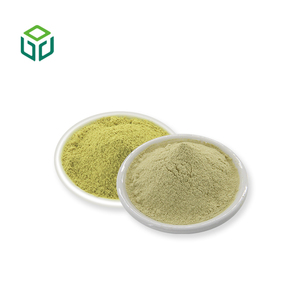
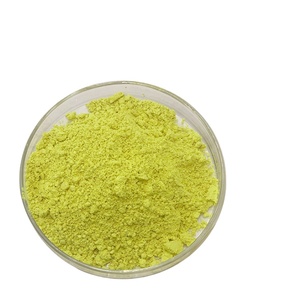
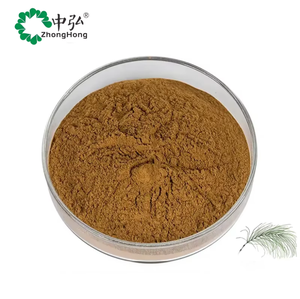
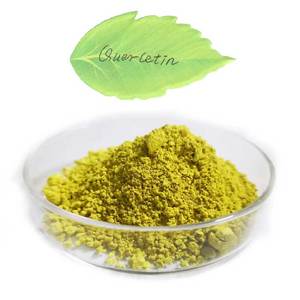
The global market for plant-based nutraceuticals, functional beverages, and pharmaceutical actives has undergone a structural transformation. International procurement officers and product formulation managers are no longer evaluating suppliers based solely on unit price per kilogram. Instead, the focus has pivoted toward batch-to-batch chemical stability, verifiable raw material traceability, advanced chromatographic purity controls, and stringent heavy metal and pesticide residue compliance.
As the world's primary processing hub for botanical extracts—accounting for over 70% of the world's bulk plant extract supply—China houses both raw material agricultural bases (such as the Changbai Mountain Panax Ginseng region and Shaanxi Sophora Japonica harvesting zones) and high-tech bio-extraction facilities. Understanding how leading manufacturers validate active markers like Ginsenosides (Rg1, Re, Rb1, Rc, Rd, Rh2, Rg3) and bioflavonoids like Quercetin, Rutin, and Kaempferol is critical for building a resilient B2B supply chain.
A major vulnerability in global botanical procurement is assay discrepancy caused by outdated analytical methodology. Standard commercial offers frequently quote "98% Quercetin" or "80% Ginsenosides" based on UV-Vis spectrophotometry. However, UV methods measure general light absorption at specific wavelengths, frequently inflating assay figures due to interference from non-target polyphenols or closely related plant metabolites.
Top-tier Chinese manufacturers utilize High-Performance Liquid Chromatography paired with Diode Array Detection (HPLC-DAD) or Liquid Chromatography-Mass Spectrometry (LC-MS/MS). HPLC isolates individual molecular structures, delivering true quantification of active monomer percentages.
| Botanical Extract Type | Primary Target Active Markers | Standard Commercial Grade (UV) | Validated High-Purity Grade (HPLC) | Primary Industrial Applications |
|---|---|---|---|---|
| Panax Ginseng Root Extract | Ginsenosides (Rg1, Re, Rb1, Rc, Rd) | 10% – 80% Total UV | 5% – 50% Individual HPLC | Nootropics, Energy Drinks, adaptogenic supplements |
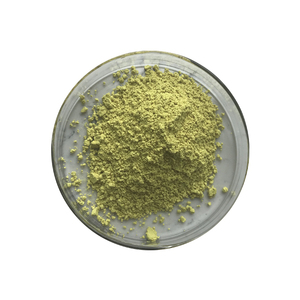
| Sophora Japonica Extract | Quercetin Anhydrous / Dihydrate | 95% General UV | 95.0% – 98.5% Pure HPLC Monomer | Immune health, anti-inflammatory formulations, API synthesis |
| Liposomal Botanical Actives | Encapsulated Flavonoid Phospholipids | N/A (Ratio based) | 50% Bioavailable Carrier Matrix | High-absorption softgels, advanced liquid suspensions |
| Supercritical CO2 Oleoresins | Lipophilic Terpenes & Essential Volatiles | Ratio 10:1 – 50:1 | Assayed Solvent-Free Oleoresin | Clean-label capsules, cosmetic botanical serums |
The manufacturing journey begins in the field. Authentic Panax Ginseng requires 4 to 6 years of cultivation under specific climatic, soil, and altitude parameters. Premium Chinese manufacturers maintain contracted Good Agricultural Practice (GAP) planting bases in Jilin and Heilongjiang provinces for Ginseng, alongside dedicated raw material collection protocols for Sophora Japonica flowers in Shaanxi and Henan.
Every incoming lot undergoes rigorous raw material screening before entering the extraction line. QA teams record field location, harvest timestamp, sun-drying vs. low-temperature mechanical drying parameters, and historical pesticide usage logs. This ensures that the finished powder transferred into 25kg export drums can be reconstructed backward through every processing step to the exact plot of farmland where the botanical biomass was harvested.
Solvent-free extraction technology operating under low-temperature high-pressure carbon dioxide states, preserving volatile bio-actives without heat degradation or toxic chemical residues.
Every production batch is accompanied by comprehensive documentation packages: Batch COA, MSDS, Technical Data Sheets (TDS), Allergen Statements, GMO-free certifications, and Flow Charts.
In-house micronization and phospholipid liposome encapsulation facilities capable of producing 80 to 200 mesh powders, granulations, and water-soluble formulations tailored for direct compression tablets.
As regulatory agencies including the US FDA, European Medicines Agency (EMA), and EFSA update their regulatory frameworks for dietary botanical supplements, B2B procurement strategies are changing rapidly. Buyers must align with manufacturers capable of proactively addressing three core industry trends:
Traditional solvent extraction using industrial hexane or high-temperature ethyl acetate is increasingly restricted under international food-grade standards due to residual solvent concerns (USP <467> Class 1 and Class 2 limits). Modern processing facilities are replacing organic solvent lines with Supercritical CO2 Extraction, Enzymatic Hydrolysis, and Multi-Stage Membrane Separation.
Supercritical fluid extraction operates at ambient temperature conditions using inert carbon dioxide as a green solvent. This eliminates solvent residues entirely while capturing delicate lipophilic compounds, volatile oils, and heat-sensitive ginsenosides that typically degrade under conventional reflux boiling.
Many valuable plant compounds, including high-purity Quercetin and standardized Ginsenosides, suffer from poor aqueous solubility and low intestinal permeability. Formulators are turning to Liposomal Encapsulation Technology, surrounding hydrophobic plant molecules within a phospholipid bilayer (sourced from non-GMO sunflower or soy lecithin).
Liposomal Quercetin 50% and liposomal botanical complexes demonstrate up to 10 to 20 times higher bio-absorption in human clinical trials compared to unformulated native powders. High-capacity manufacturers in China have scaled liposomal drying processes, providing direct-compressible powders that remain stable in hard gelatin capsules and sachets without lipid leakage.
Global regulatory oversight has focused heavily on environmental contaminants accumulated during cultivation and thermal processing. European Union Regulations (EU) 2023/915 mandate strict maximum thresholds for Polycyclic Aromatic Hydrocarbons (PAH4: Benzo(a)pyrene, Chrysene, Benzo(a)anthracene, and Benzo(b)fluoranthene) capped at less than 10 ppb.
Top China suppliers employ multi-stage Inductively Coupled Plasma Mass Spectrometry (ICP-MS) to monitor heavy metals (Lead < 0.5 ppm, Arsenic < 0.5 ppm, Cadmium < 0.1 ppm, Mercury < 0.1 ppm) and triple-quadrupole Gas Chromatography-Mass Spectrometry (GC-MS/MS) for screening over 400 pesticide residues per lot.
Direct answers from our quality control and international export engineering team regarding batch testing, minimum order quantities, and custom specifications.
Connect directly with our technical sales engineers to request batch COAs, custom mesh milling, or sample shipments for lab verification.
Contact Us