
Direct B2B Factory Export | Certified Non-GMO Sourced Lipids & High-Purity Botanical Extracts with Full COA Traceability
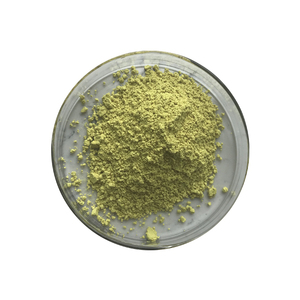
High-purity botanical monomer extracted from Sophora Japonica. Ideal for synergistic cellular health & cognitive formulations.
Inquire Now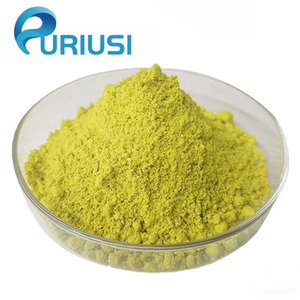
Solvent-extracted, fine yellow powder with ultra-low heavy metal and pesticide residue compliant with EP/USP standards.
Inquire Now
Advanced phospholipid bilayer encapsulation technology providing 8x higher intestinal bioavailability and cellular delivery.
Inquire Now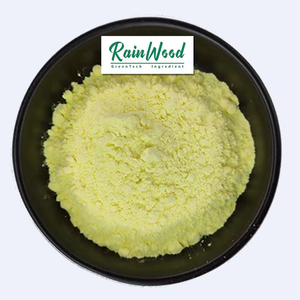
Standardized raw botanical active for dietary supplement brands, sports nutrition blends, and cognitive health premixes.
Inquire Now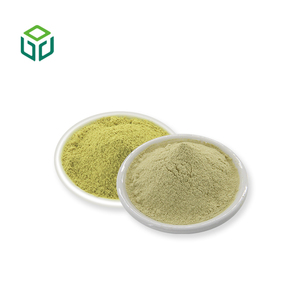
Available in both Anhydrous and Dihydrate molecular forms. Full stability validation under ICH storage guidelines.
Inquire Now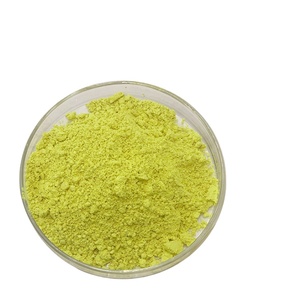
Large-scale commercial production with customizable mesh size (80-200 mesh) and tightly controlled bulk density.
Inquire Now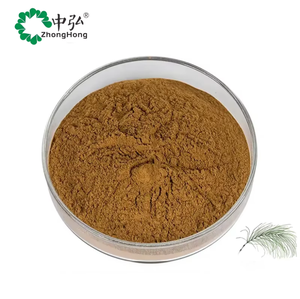
Rich in silica and natural polyphenols. Ideal for combination formulations targeting bone strength and connective tissue.
Inquire Now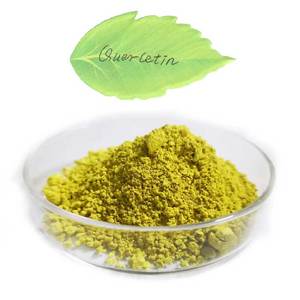
Direct compressibility (DC Grade) granular specification optimized for high-speed tablet compression without capping.
Inquire NowPhosphatidylserine (PS), chemically identified under CAS No. 51446-62-9, is an essential acidic phospholipid structurally composed of a glycerol backbone esterified to two fatty acid chains, a phosphate group, and L-serine. As a fundamental structural constituent of eukaryotic cellular membranes—most notably concentrated within the internal leaflet of neuronal cell membranes—PS accounts for approximately 10-15% of total cerebral phospholipids. It plays an indispensable biochemical role in regulating membrane fluidity, activating key signal transduction enzymes such as Protein Kinase C (PKC), facilitating neurotransmitter release (acetylcholine, dopamine, and serotonin), and modulating synaptic plasticity.
Historically sourced from bovine cortex, global regulatory shifts and safety mandates (preventing Transmissible Spongiform Encephalopathies) catalyzed China's development of plant-derived Phosphatidylserine. Today, premier Chinese biomanufacturers lead the global market in supplying non-GMO Soybean-derived PS and allergen-free Sunflower-derived PS powder, satisfying international pharmacopeial standards (USP, EP) and global dietary supplement regulations (US FDA GRAS, EFSA Novel Food).
| Specification Grade | Botanical Source | Analytical Method | Primary Industrial Applications |
|---|---|---|---|
| Phosphatidylserine 20% Powder | Glycine max (Soy) / Sunflower | HPLC-ELSD / 31P-NMR | Functional Beverages, Nutritional Bars, Premixes |
| Phosphatidylserine 50% Powder | Non-GMO Soy / Sunflower | HPLC-ELSD / 31P-NMR | Hard Gel Capsules, Tablets, Nootropic Blends |
| Phosphatidylserine 70% High Pure | Deoiled Sunflower Lecithin | 31P-NMR Validation | Softgels, Liposomal Formulations, Clinical Trials |
| PS Granular / DC Grade | Soy / Sunflower Phospholipid | HPLC-ELSD | Direct Tableting Compression, Chewables |
Leading Chinese exporters such as RAAG Biotech Co., Ltd. have engineered proprietary biotransformation platforms to eliminate batch-to-batch variance and resolve persistent stability challenges inherent in raw phospholipid processing. Sourcing high-grade deoiled soy or sunflower lecithin containing 40-50% Phosphatidylcholine (PC), the reaction is executed inside stainless-steel enzymatic reactors under tightly controlled temperature, pH, and biphasic solvent-water conditions.
Utilizes high-activity immobilized Phospholipase D (PLD) enzymes to convert PC and L-serine into PS with minimal byproduct formation of Phosphatidic Acid (PA).
Supercritical CO2 fluid extraction and ethanol reflux fractionation are employed to remove excess fatty acids, neutral triglycerides, and odor-causing volatile components.
Dedicated processing lines for Sunflower Phosphatidylserine prevent cross-contamination with soy antigens, supporting 100% soy-free, clean-label compliance.
Protects delicate unsaturated fatty acyl chains against peroxidation, yielding a free-flowing, non-clumping powder with optimized bulk density for high-speed encapsulation.
A primary challenge in global procurement is the accurately quantified assay of PS. Substandard suppliers often utilize generic UV-Vis or non-specific HPLC methods that overestimate PS content by misidentifying collateral phospholipids like Phosphatidylinositol (PI), Phosphatidylethanolamine (PE), or Lysophosphatidylserine (LPS).
Top-tier Chinese manufacturers utilize High-Performance Liquid Chromatography coupled with Evaporative Light Scattering Detection (HPLC-ELSD) or Quantitative Phosphorus-31 Nuclear Magnetic Resonance (31P-NMR) spectroscopy. 31P-NMR provides absolute chemical specificity, mapping every phosphorus-bearing lipid species within the complex phospholipid matrix.
The global market for brain health and cognitive supplements is expanding exponentially, driven by an aging demographic, increased focus on mental performance among younger professionals, and the surging popularity of e-sports nutrition. B2B procurement managers must align their sourcing strategies with four critical technological trends:
With global consumer demand shifting toward allergen-free and non-GMO labels, Sunflower PS is rapidly gaining market share over traditional Soy PS, despite higher raw lecithin cost dynamics.
Innovations in nano-emulsification and liposomal lipid carriers allow PS to be integrated seamlessly into clear liquid RTD (Ready-To-Drink) functional beverages without phase separation or turbidity.
Formulators are pairing Phosphatidylserine with botanical antioxidants like Quercetin 98%, Saffron extracts, and Bacopa Monnieri to target both membrane fluidity and oxidative stress mitigation simultaneously.
Global regulatory bodies are enforcing stricter limits on residual solvents (e.g., Acetone, Hexane, Ethanol). Leading factories now utilize green extraction technologies to ensure USP/EP compliance.
Connect with our senior technical sales team at RAAG Biotech Co., Ltd. for customized Phosphatidylserine formulations, sample validation, and volume pricing schedules.
Inquire Now