
Verified High-Assay Botanical Ingredients for Global Nutraceutical & Pharmaceutical Formulators
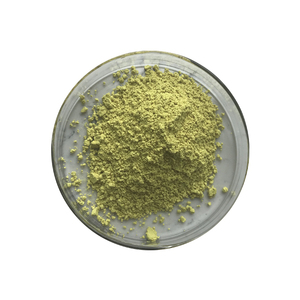
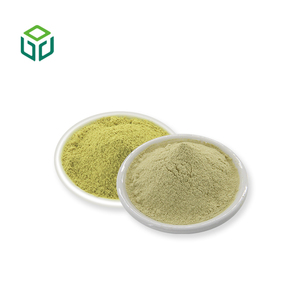
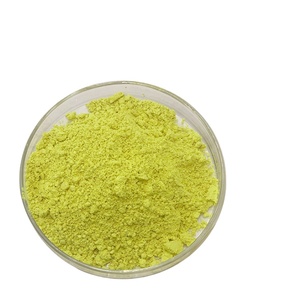
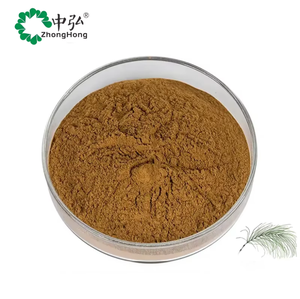
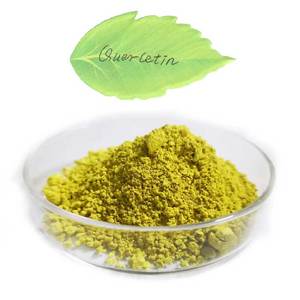
In the rapidly evolving landscape of functional medicine, adaptogenic nutraceuticals, and botanical pharmaceuticals, Reishi Extract (Ganoderma Lucidum) stands out as a cornerstone ingredient. Valued for thousands of years in Traditional Chinese Medicine (TCM) as the "Mushroom of Immortality," modern chromatographic and pharmacological analytical tools have validated its therapeutic potential. Today’s global B2B procurement managers, R&D directors, and contract manufacturers require far more than basic ground fruiting body powders. They demand precise active marker standardization, quantifiable bioactivity, low pesticide residue profiles, and complete supply chain traceability.
As premier botanical extract manufacturers operating out of China's primary herbal processing hubs in Shaanxi, leading factories such as RAAG Biotech Co., Ltd. have transformed traditional hot-water decoction into advanced multi-stage isolation, membrane filtration, column chromatography, and supercritical fluid extraction operations. This technical white paper explores the essential parameters required to evaluate top-tier China Reishi extract manufacturers, technical markers, future sourcing trends, and quality verification methodologies under strict E-E-A-T (Experience, Expertise, Authoritativeness, and Trustworthiness) standards.
When qualifying Reishi extract raw materials, B2B buyers must navigate two primary classes of bioactive compounds: Water-Soluble Polysaccharides and Ethanol-Soluble Triterpenoids (Ganoderic Acids). A common failure in commercial sourcing is relying solely on generic UV-Vis total polysaccharide readings, which can easily be adulterated with maltodextrin or corn starch additives.
True Reishi polysaccharides are complex heteropolysaccharides containing immunomodulatory beta-(1->3) and beta-(1->6) D-glucan chains. Standardized extract options typically range from 10% to 50% Polysaccharides by UV/Enzymatic Assay. Premium China suppliers utilize enzymatic assays or specific ethanol precipitation protocols to quantify true fungal glucans, ensuring zero starch interference.
Triterpenes give Reishi its characteristic bitter taste and are responsible for hepatoprotective, anti-inflammatory, and cardiovascular support activities. Over 150 bitter triterpenoids have been isolated from Ganoderma Lucidum, primarily Ganoderic Acids A, B, C2, D, and Lucidenic Acids. Advanced manufacturers utilize high-performance liquid chromatography (HPLC) to standardise Total Triterpenes from 1% up to 20%, or isolated Ganoderic Acid A fractions for pharmaceutical formulation targeting.
| Extraction Fraction | Primary Marker Compound | Analytical Method | Standard Commercial Grades | Primary Industrial Application |
|---|---|---|---|---|
| Hot Water Extract | Polysaccharides / Beta-Glucans | UV-Vis / Megazyme Enzymatic | 10%, 20%, 30%, 50% UV | Immune Capsules, Functional Drinks |
| Ethanol Reflux Extract | Total Triterpenes / Ganoderic Acid | HPLC / Vanillin-Perchloric | 2%, 4%, 6%, 10%, 20% HPLC | Hepatoprotective Formulations |
| Dual Extract (Water+Alcohol) | Polysaccharides + Triterpenes | Dual UV & HPLC Protocol | 30% Poly / 4% Triterpenes | Comprehensive Adaptogen Blends |
| Supercritical CO2 Spore Oil | Total Triterpenes & Fatty Acids | GC-MS / HPLC Assay | ≥ 20% Total Triterpenes | High-End Softgels & Liposomal Drops |
The manufacturing process determines the bio-accessibility, stability, and powder physical properties of Reishi extracts. Modern facilities engineered by RAAG Biotech integrate four main extraction platforms:
Utilized primarily for broken spore cell walls to yield pure, solvent-free Reishi Spore Oil rich in lipophilic triterpenes without thermal degradation of sensitive lipid components.
Maximizes yield while minimizing energy consumption. Continuous solvent circulation ensures complete exhaustion of raw botanical material during dual water/ethanol extraction runs.
Replaces heavy thermal concentration with low-temperature nanofiltration membranes to preserve heat-sensitive polysaccharide structures and maintain native bulk density.
The global botanical extracts market is undergoing structural shifts driven by stricter regulatory enforcement, clean-label demands, and heightened consumer awareness. B2B buyers looking for China Reishi Extract suppliers should prepare for four major industry trends:
Historically, low-cost plant extract suppliers used maltodextrin as a spray-drying carrier up to 30–50% by weight. European and North American buyers now demand 100% Pure Botanical Extracts with zero carrier additions. Advanced atomization drying nozzles allow manufacturers to spray-dry pure Reishi decoctions without sticky wall accumulation, producing pure soluble powders.
The origin of the raw fruiting body significantly influences active constituent concentrations. Duanwood (Log-cultivated) Reishi grown in deep mountain bases (such as the Dabie Mountains or Mt. Wuyi) yields significantly higher triterpene levels and lower heavy metal accumulation compared to synthetic sawdust bag cultivation. Manufacturers offering batch-level GAP (Good Agricultural Practices) farm linkage provide distinct competitive advantages for brands seeking EU Organic or USDA Organic verification.
Triterpenes exhibit limited oral bio-availability due to poor water solubility. Emerging procurement trends emphasize liposomal-encapsulated Reishi extract powders and bio-enhanced quercetin complexes (such as RAAG Biotech's Liposomal Quercetin 50%). Liposomal encapsulation surrounds active molecules with a phospholipid bilayer, enhancing gut absorption up to 5-10 times over conventional powders.
Operating out of the High-tech Zone in Xi'an, Shaanxi Province, RAAG Biotech Co., Ltd. represents the modern standard of Chinese botanical extraction facilities. Formed in 2014, the company integrates end-to-end processing—from botanical raw material cultivation bases to cGMP compliant cleanrooms.
Connect directly with our technical sales specialists to review raw material specifications, pilot batch availability, and competitive B2B volume pricing for your formulation requirements.
Send an Inquiry