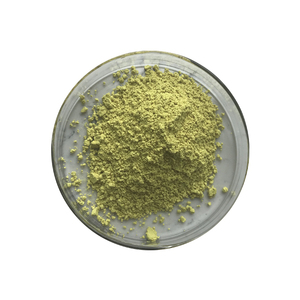

Explore our export-grade botanical active ingredients, fully traceable to certified planting bases and verified by HPLC/UV assays under GMP-audited control.
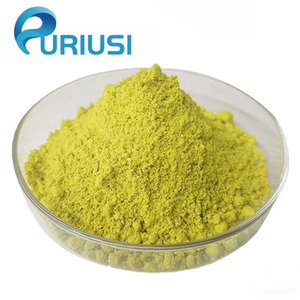
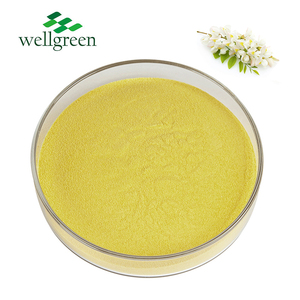
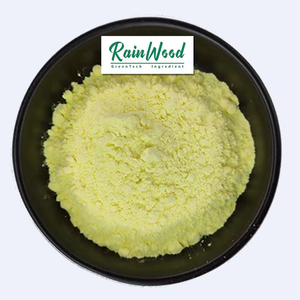
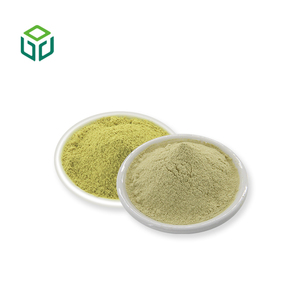
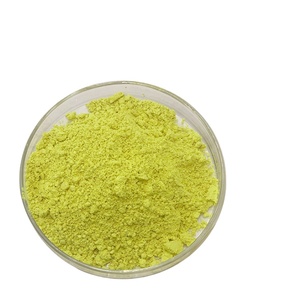
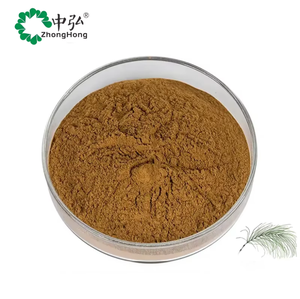
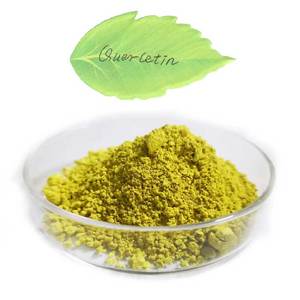
In the rapidly maturing global market for high-value botanical bioactives, Crocin—a hydrophilic carotenoid pigment derived primarily from Crocus sativus L. (Saffron) and Gardenia jasminoides Ellis—has emerged as a foundational molecule for premium ophthalmic health, cognitive optimization, and neuroprotective formulations. Unlike traditional lipophilic carotenoids such as beta-carotene or lutein, Crocin possesses a unique glycosylated chemical structure (crocetin digentiobioside) that renders it highly water-soluble, granting superior physiological absorption profiles in clinical nutraceutical applications.
However, securing a stable, audit-ready supply of commercial-grade Crocin powder presents significant procurement hurdles for pharmaceutical brand owners and contract manufacturing organizations (CMOs). Price volatility, raw material adulteration, degradation of active marker compounds due to thermal stress, and strict regional solvent residue mandates demand a deep technical evaluation of the manufacturing source. As a lead specialized botanical extraction house, RAAG Biotech Co., Ltd. presents this whitepaper to clarify the operational, analytical, and supply-chain parameters essential for selecting a trusted Crocin extract factory.
Core Technical takeaway for B2B Purchasing Officers: Standardizing Crocin extracts requires rigorous differentiation between total color value (spectrophotometric UV-Vis at 440nm) and absolute monomer concentration (High-Performance Liquid Chromatography - HPLC). Factory partners must provide dual-method verification to prevent assay overestimation caused by non-active degradation products.
When evaluating commercial Crocin and complementary botanical flavonoid active batches (such as Quercetin), technical teams must establish precise quality specification thresholds. Below is an authoritative technical benchmark parameter matrix used by leading global contract laboratories:
| Evaluation Parameter | Standard Commercial Grade | High-Purity Pharma/Nutra Grade | Primary Test Methodology |
|---|---|---|---|
| Crocin Active Marker (Assay) | 10% – 30% HPLC | 90% – 98% Pure Monomer (HPLC) | HPLC-DAD (440nm peak quantification) |
| Water Solubility Profile | Instant dispersible (<60 secs) | Complete dissolution without sediment | Gravimetric / Optical clarity testing |
| Residual Solvents (VOCs) | Ethanol < 5000 ppm | Solvent-Free (Supercritical CO2 / Water) | Headspace GC-MS (USP <467> / EP) |
| Heavy Metals Contamination | Pb < 3ppm, As < 2ppm, Cd < 1ppm | Pb < 0.5ppm, As < 0.5ppm, Cd < 0.1ppm | ICP-MS (Inductively Coupled Plasma) |
| Pesticide Residue Panel | EU 396/2005 Compliant (<0.01 mg/kg) | Zero Detection (Multi-Residue Screen) | LC-MS/MS & GC-MS/MS dual screening |
| Microbiological Limits | Total Plate Count < 1,000 CFU/g | Total Plate Count < 100 CFU/g (Sterile) | USP <2021> / ISO 4833 culture standards |
The global botanical extract sector is undergoing a structural transition toward clinical transparency, sustainability, and high-efficiency delivery mechanisms. B2B procurement managers must align their supply chains with four major structural shifts:
Global regulatory bodies (notably the European Food Safety Authority - EFSA) are continuously lowering Maximum Residue Limits (MRLs) for classic organic solvents. Factories utilizing Supercritical Fluid Extraction (SFE-CO2) and membrane enrichment eliminate toxic organic chemical residues completely, ensuring instant clean-label regulatory compliance.
Native plant polyphenols and flavonoids often suffer from limited systemic bioavailability due to rapid hepatic metabolism. Future sourcing emphasizes advanced delivery systems—such as liposomal encapsulation (e.g., Liposomal Quercetin 50%) and phospholipid complexing—which improve intestinal mucosal uptake by up to 500%.
Adulteration with synthetic dyes or unverified botanical variants is a severe commercial risk in saffron-derived pigments. Top factories are integrating DNA barcoding and stable isotope ratio mass spectrometry (IRMS) into their quality release protocols, guaranteeing authentic species identity from agricultural source to finished drum.
Operating as an authorized, GMP-audited botanical extract producer since 2014, RAAG Biotech Co., Ltd. bridges the critical gap between agricultural raw material cultivation and commercial-scale pharmaceutical ingredient synthesis. Our production ecosystem is built on engineering precision, scientific transparency, and rigorous internal quality control.
Our modern production site in Xi'an, China operates multi-stage processing lines engineered specifically to preserve thermal-sensitive active markers like Crocin, Crocetin, and Quercetin:
Quality Management Commitment: Every single batch exported by RAAG Biotech Co., Ltd. is issued with a batch-specific Certificate of Analysis (COA), accompanied by retained physical samples preserved for 36 months to ensure complete retrospective batch auditability.
To ensure strict operational reproducibility across commercial lots, our factory adheres to a validated 5-stage manufacturing protocol:
Raw plant herbs (Sophora Japonica flowers, Saffron stigmas, or Gardenia fruits) arrive from contracted GAP (Good Agricultural Practices) growing bases with recorded harvest region, drying logs, and pesticide history.
Herbal material is milled and subjected to multi-stage temperature-controlled extraction utilizing purified water, ethanol, or supercritical CO2 based on marker polarity.
Extract liquid passes through high-efficiency membrane filters and chromatographic columns to strip impurities, heavy metals, and residual chlorophyll.
Purified active concentrate is spray-dried under low temperature in a HEPA-filtered cleanroom environment (Class 100,000) to meet target moisture and mesh specifications.
Finished powder undergoes HPLC assay, heavy metal ICP-MS, and microbiological release testing before sealing in double food-grade PE bags inside fiber drums.
Direct answers from our Senior Quality Assurance Engineers and Export Logistics Specialists addressing key technical questions raised by global pharmaceutical and supplement buyers.
Chemically, both botanicals yield the same core water-soluble carotenoid glycosides (Crocin-1, Crocin-2). However, Saffron (Crocus sativus) contains companion volatile aroma markers such as Safranal and Picrocrocin, making it ideal for luxury mood/sleep supplements. Gardenia (Gardenia jasminoides) offers a highly scalable, cost-effective industrial raw material source for high-purity Crocin isolation used in ophthalmic health, dietary supplements, and natural food colorants. RAAG Biotech provides standardized grades from both botanical origins depending on your market positioning and target cost per kilo.
UV-Vis spectrophotometry measures total light absorption at 440nm, which can inadvertently count degraded carotenoid fragments and yield artificially inflated values. Our quality control laboratory utilizes High-Performance Liquid Chromatography coupled with Diode Array Detection (HPLC-DAD). This separates individual crocin trans/cis isomers and quantifies active Crocin-1 and Crocetin with absolute specificity. Batch COAs provided by RAAG Biotech report verified HPLC percentages alongside UV color values.
Yes. We offer fully customizable physical processing. For direct-compression tablet formulations, we produce high-density micro-granules (0.55–0.70 g/mL) that flow freely without bridging in high-speed tablet presses. For liquid suspensions or instant powder mixes, we offer ultra-fine micronized powders up to 200 mesh. Customized carriers (e.g., maltodextrin, acacia gum, rice starch, or carrier-free 100% pure extracts) are available upon request.
Every commercial shipment includes a comprehensive regulatory dossier: Batch-specific Certificate of Analysis (COA), Safety Data Sheet (SDS/MSDS), Technical Data Sheet (TDS), Manufacturing Process Flowchart, Non-GMO Declaration, Allergen Statement, BSE/TSE-Free Certificate, Residual Solvent Statement (USP <467> compliant), and Pesticide Residue Test Report. Third-party testing by SGS or Eurofins can be coordinated prior to dispatch.
Our standard Minimum Order Quantity (MOQ) for commercial bulk standardized extracts is 1 kg to 25 kg (one standard drum). For high-purity reference compounds and monomers (≥98%), MOQs start at 100g. We provide complimentary 10g to 50g evaluation samples complete with lot COAs so your R&D team can perform lab scale assay verification and feasibility trials before commercial ordering.
Crocin and carotenoid active molecules are sensitive to light, oxygen, and ambient thermal stress. All our finished extracts are vacuum-sealed inside double anti-static food-grade PE inner bags, enclosed within heavy-duty aluminum foil barrier pouches, and packed into reinforced fiber drums. For high-purity active lots, temperature-monitored cold-chain shipping options are available for air freight export.
Partner with a verified, direct Chinese extract factory. Contact our technical sales engineering team to receive specification sheets, pricing schedules, and free lab sample dispatches within 24 hours.
Send an Inquiry