
Direct factory supply with complete analytical dossier, HPLC fingerprinting, and batch-level COA for global pharmaceutical and nutraceutical manufacturers.
An exhaustive technical guide for procurement directors, regulatory specialists, and R&D chemists navigating the global adaptogen market.
Rhodiola rosea L. (commonly known as Arctic root, Golden root, or Roseroot) is an alpine perennial herb belonging to the Crassulaceae family. Native to high-altitude cold regions of the Altai Mountains, Siberia, and Northern Europe, it has long been prized for its profound adaptogenic properties. In commercial B2B procurement, understanding the precise phytochemical matrix of Rhodiola species is vital for establishing regulatory compliance, formulation efficacy, and verifying raw material authenticity.
The primary bioactive compounds responsible for Rhodiola rosea’s anti-fatigue, neuroprotective, and stress-modulating biological actions fall into two major chemical classes:
A prevalent challenge in global supply chains is the substitution of true Rhodiola rosea with Rhodiola crenulata. While R. crenulata contains high amounts of Salidroside (often >3.0%), it contains zero Rosavins. Formulators seeking true adaptogenic synergy must verify the presence of both Rosavins and Salidroside via HPLC chromatogram analysis to prevent mislabeling and regulatory non-compliance.
To assist quality assurance teams in evaluating raw materials, the following table summarizes the physical, chemical, and chromatographic profiles of commercial Rhodiola grades processed by certified exporters.
| Botanical Species / Grade | Target Rosavin Assay (HPLC) | Target Salidroside Assay (HPLC) | CITES Regulatory Status | Key Analytical Verification | Optimal Formulation Use |
|---|---|---|---|---|---|
| Rhodiola Rosea Standardized | 3.0% – 5.0% Min | 1.0% – 2.0% Min | CITES Appendix II | HPLC Rosavin / Rosarin / Rosin peak ratios | Premium Nootropics, Cognitive Support Capsules |
| Rhodiola Crenulata Extract | 0.0% (Absent) | 3.0% – 5.0% Min | Non-CITES / Regulated | High Salidroside peak, absence of phenylpropanoids | Energy Drinks, General Anti-Fatigue Powders |
| Synthetic Salidroside (Pure Monomer) | 0.0% | 98.0% – 99.0% Min | Unrestricted | Single peak HPLC, Chiral purity check | Pharmaceutical Research, Topical Cosmeceuticals |
| Rhodiola Rosea Ratio Extract (10:1) | Variable (Non-standardized) | Variable (< 0.5%) | CITES Appendix II | TLC Identification & Solvent residue check | Bulk Herb Teas, Traditional Decoctions |
RAAG Biotech Co., Ltd. operates state-of-the-art botanical extraction facilities designed around preserving delicate thermolabile phenylpropanoid glycosides. The extraction workflow incorporates green chemistry principles to eliminate toxic organic solvent residues while maximizing active yield.
Raw roots are collected from contracted high-altitude growing bases. Each raw material batch undergoes strict macroscopic and microscopic identification, moisture determination (<10%), and preliminary screening for environmental contaminants before entering the extraction pipeline.
Rather than aggressive high-temperature extraction which degrades Rosavins into secondary artifacts, RAAG Biotech employs multi-stage low-temperature hydro-ethanolic reflux extraction (55°C – 65°C). The ethanol ratio is dynamically adjusted to optimize the selective dissolution of both polar Salidroside and moderately non-polar Rosavins.
To eliminate ballast substances (such as heavy starches, tannins, and lipophilic chlorophyll), the crude extract liquor is passed through food-grade macroporous adsorptive resin columns. Target fractions are eluted using ultra-pure pharmaceutical ethanol. For oil-dispersible customized extracts, Supercritical CO2 extraction technology is applied, yielding solvent-free concentrates.
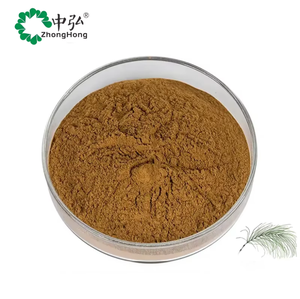
The purified fraction is concentrated under reduced pressure at low temperatures. Spray drying is performed in a cleanroom environment (Class 100,000) using controlled air intake temperatures to yield a uniform, free-flowing brown powder with customized bulk density and mesh size (80–100 mesh).
Every shipment of Rhodiola rosea is delivered with official CITES export permits and Phytosanitary certificates, ensuring frictionless clearance at EU, US, and Asian ports.
Strict GC-MS/MS testing screens for over 400 pesticide residues. Heavy metals (Lead, Cadmium, Arsenic, Mercury) are guaranteed below European Pharmacopoeia (EP) thresholds.
Validated HPLC analytical methods ensure exact assay consistency (+/- 5% tolerance between commercial production lots), supporting consistent color and taste profiles.
Key strategic shifts changing how international brands procure, audit, and formulate with Rhodiola extracts.
In late 2022, species of the genus Rhodiola (specifically Rhodiola rosea and Rhodiola crenulata) were official included in Appendix II of CITES (Convention on International Trade in Endangered Species of Wild Fauna and Flora). This regulatory inclusion transformed global procurement dynamics. Importers can no longer rely on unverified trading companies who lack direct forestry clearance.
Leading exporters like RAAG Biotech Co., Ltd. have established sustainable cultivation partnerships and full legal documentation channels. Every commercial shipment leaves with validated CITES permits matching the export bill of lading, eliminating the risk of customs seizures in destination ports across North America and Europe.
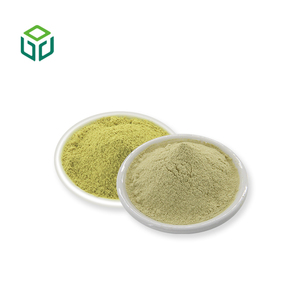
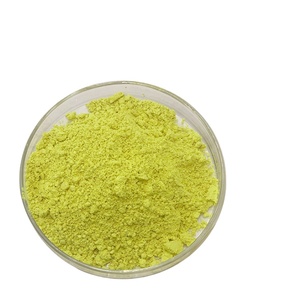
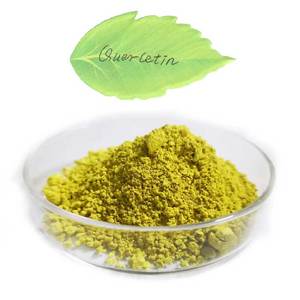
Current market data reveals a strong migration from single-ingredient adaptogen pills to complex, targeted functional formulations. R&D teams are combining Rhodiola Rosea Extract with other premium bioactive plant powders and monomers:
Modern consumers actively avoid synthetic excipients like silicon dioxide or excessive maltodextrin carriers. Global B2B buyers are demanding 100% pure botanical extracts without additives, or with organic-compliant natural carriers such as organic rice concentrate or gum arabic. Furthermore, water-soluble instantized Rhodiola powders engineered for ready-to-drink (RTD) beverage sticks represent the fastest-growing product segment in the sports nutrition sector.
Founded in 2014, RAAG Biotech Co., Ltd. delivers raw material integrity, certified analytical transparency, and seamless global logistics for industrial B2B clients.
Equipped with in-house HPLC, UV-Vis Spectrophotometers, Gas Chromatography (GC-MS), and Atomic Absorption Spectrometry (AAS). Every lot is tested for assay, heavy metals, micro-counts, and residual solvents prior to release.
Our internal tracking system connects the finished container back to the specific harvest location, drying logs, extraction run, and quality check records—providing audit-ready files for QA compliance.
We provide tailored particle sizing (micro-milling down to 200 mesh), customized marker ratios, water-soluble spray-drying, and liposomal encapsulation services to meet precise finished dosage needs.
Clear, technical answers to common questions raised by corporate procurement officers, quality control managers, and regulatory departments.
Every commercial batch is delivered with a complete documentation dossier, including a batch-specific Certificate of Analysis (COA) detailing HPLC assays, Safety Data Sheet (MSDS), Technical Data Sheet (TDS), Flow Chart, BSE/TSE-free declaration, Non-GMO statement, Allergen statement, and official CITES / Phytosanitary certificates.
We utilize comprehensive HPLC fingerprinting and ratio analysis. Authentic Rhodiola rosea maintains a natural ratio of Rosavins to Salidroside (typically 3:1). If Salidroside is artificially spiked, the HPLC chromatogram reveals abnormal ratio peaks and absent secondary phenylpropanoid peak footprints (Rosarin and Rosin).
Our standard Minimum Order Quantity (MOQ) for commercial standardized extracts is 1 kg. We offer free 10g to 50g samples accompanied by a COA for qualified corporate R&D teams and testing laboratories for verification prior to order placement.
RAAG Biotech uses only food-grade ethanol and water during extraction. Residual ethanol is driven off under vacuum evaporation to levels strictly below 5,000 ppm (and typically below 1,000 ppm), fully compliant with USP <467> and EP 2.4.24 guidelines. No hazardous solvents like methanol, acetone, or chlorinated hydrocarbons are used.
Rhodiola powder is hygroscopic due to its natural glycoside content. It should be stored in its original sealed packaging—double food-grade polyethylene inner bags enclosed in light-proof fiber drums. Keep in a cool, dry place away from direct sunlight and ambient moisture at temperatures below 25°C.
Yes. In addition to standard 80-mesh powder, we provide fine micronized powders (100–200 mesh) for direct compression tablets, granular formats for high-speed encapsulation, water-soluble grades for beverages, and advanced liposomal encapsulation for superior bioavailability.
Connect directly with our technical sales engineers to discuss marker assays, regulatory permits, pricing tiers, and customized ingredient solutions.
Send an Inquiry