Email: RAAG Biotech Co., Ltd. Bulk botanical extract manufacturing since 2014
Botanical raw materials used for Enzymatic Herbal Extraction technology
Enzymatic herbal extraction bio-reactors and stainless steel production facility
Bulk standardized enzymatic plant extract powders prepared for global B2B delivery
Green Bio-Processing Leader

Enzymatic Herbal Extraction: The Next-Gen Benchmark for High-Purity Botanical Actives

Unlocking maximum yield, superior bioavailability, and zero solvent residue through precision enzyme-assisted bioprocessing—engineered by [email protected] for global formulation excellence.

Enzyme Kinetics & Bioavailability

Targeted Cell-Wall Hydrolysis for Thermal Protection

Low-temperature enzymatic digestion preserves fragile polyphenols, carotenoids, and glycosides while eliminating toxic hydrocarbon solvents.

Audit-Ready Technical Files

Fully Traceable Clean-Label Ingredients

Complete COA, HPLC assay validation, pesticide-free panels, and ISO/HALAL/KOSHER compliance documentation accompanying every commercial batch.

Technical Insight & Information Gain

Understanding Enzymatic Herbal Extraction: Mechanics, Bio-Kinetics, and Solvent-Free Advantages

A technical analysis of why modern pharmaceutical and dietary supplement formulators are transitioning from organic solvent reflux to bio-enzymatic extraction systems.

In global botanical manufacturing, traditional extraction methods—such as ethanol reflux, methanol maceration, and hydrocarbon solvent washing—have reached physical and chemical limitations. High processing temperatures frequently induce thermal oxidation, structural degradation of delicate glycosides, and loss of volatile terpenes. Furthermore, conventional solvent extraction relies on brute thermal energy to disrupt rigid plant cell walls composed of complex polysaccharide matrixes (cellulose, hemicellulose, pectin, and lignin). This inefficient cell disruption leaves a substantial fraction of bioactive compounds trapped inside un-ruptured intracellular compartments, while leaving trace organic solvent residues that complicate global regulatory clearance.

Enzymatic Herbal Extraction (EAE) presents a transformative paradigm shift in botanical processing technology. By introducing highly specific hydrolytic enzymes—including cellulases, pectinases, hemicellulases, proteases, and phytases—EAE target-hydrolyzes specific glycosidic and structural peptide bonds within plant cell walls under mild biological conditions (temperatures between 35°C and 50°C, and pH levels optimized from 4.0 to 6.5). This bio-enzymatic cleavage disintegrates the protective polysaccharide mesh without requiring high temperatures or harsh organic reagents, resulting in complete intracellular release of target phytoconstituents.

Comparative Technology Matrix: EAE vs. Conventional Extraction Routes

To assist procurement directors, QA auditors, and formulation scientists in evaluating extraction efficiency, the technical team at [email protected] has compiled a comparative performance matrix across critical industrial parameters:

Extraction Technology Active Compound Yield (%) Thermal Degradation Risk Solvent Residual Status Processing Temp (°C) Bioavailability Enhancement Clean Label & ESG Rating
Enzymatic Herbal Extraction (EAE) 92% – 98% (High) Minimal (Low Temp) 100% Water-Based / Zero Solvent 35°C – 50°C Superior (Aglycone biotransformation) Excellent (Green Bio-Process)
Ethanol Reflux Extraction 65% – 78% (Moderate) High (Repeated Heating) Requires Solvent Stripping (<50 ppm) 65°C – 85°C Standard Raw Extract Profile Moderate (Solvent Emissions)
Supercritical CO2 Fluid Extraction 80% – 88% (Lipophilic) Very Low (Cold Process) Solvent-Free (CO2 Evaporated) 31°C – 45°C Moderate (Non-polar actives only) High (Eco-friendly)
Hydro-Distillation / Steam 45% – 60% (Volatiles) Extremely High Solvent-Free (Water Steam) 100°C Low (Polar compound destruction) Moderate (High Energy)

Enzymatic Biotransformation: Elevating Aglycone Absorption

Beyond mere cell wall disruption, advanced Enzymatic Herbal Extraction enables targeted biotransformation. Many natural phytoconstituents exist in plants as bulky glycosides—bound to sugar moieties like glucose, rhamnose, or galactose—which limits intestinal absorption in human subjects due to high molecular weight and hydrophilicity. Utilizing specific beta-glucosidases and esterases, [email protected] can selectively cleave these sugar chains, converting complex glycosides into bio-identical aglycone monomers. Aglycone structures exhibit drastically enhanced lipophilicity, accelerated transepithelial transport across intestinal enterocytes, and elevated plasma concentration curves (Cmax), providing supplement brands with strong human efficacy data and distinct consumer positioning.

Product Portfolio & Technical Recommendations

Featured Standardized Ingredients Produced via Bio-Enzymatic Protocols

Explore our export-grade botanical extracts, pure monomers, and bio-complexes engineered for optimal solubility, batch-to-batch assay consistency, and audit compliance.

Hot Product
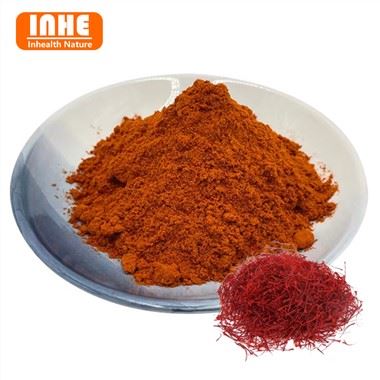
Pure Saffron Extract manufactured via enzymatic protection

Pure Saffron Extract

Safranal ≥0.3% - 2.0% HPLC / Crocin ≥3.0% - 10%

Enzymatically extracted from premium Crocus sativus stigmas. Mild cellulase pretreatment preserves fragile crocin carotenoids and volatile safranal from thermal destruction, delivering high water solubility and mood-support bio-efficacy.

Get Catalog
Monograph Grade
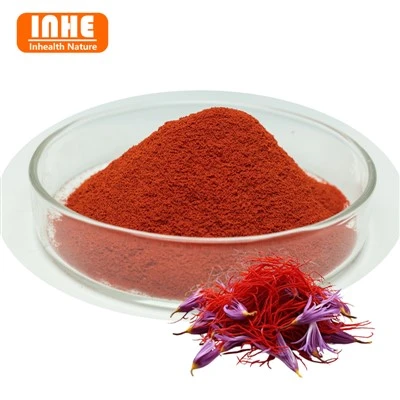
Crocetin Powder isolated via enzymatic biotransformation

Crocetin Powder

High-Purity Aglycone Monomer ≥90% - 98% HPLC

Produced via targeted enzymatic deglycosylation of crocin. Crocetin's lower molecular weight delivers rapid cellular uptake, supporting eye health, neuro-protection, and sleep optimization formulations.

Get Catalog
Water Soluble
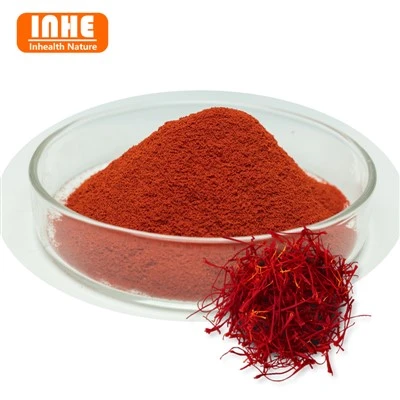
Crocin Powder bulk supply from info@raagextracts.com

Crocin Powder

Natural Water-Soluble Carotenoid Pigment ≥95% HPLC

Isolated using gentle aqueous enzymatic washing to release bound saffron pigments without chemical solvents. Ideal for functional beverages, dietary sachets, and cosmetic formulations.

Get Catalog
Dual Tech
Gromwell Root CO2 Extract combined with enzymatic cell breakdown

Gromwell Root CO2 Extract

Total Shikonins ≥10% - 30% HPLC / Solvent-Free

Combines bio-enzymatic pectinase digestion with Supercritical CO2 extraction. Hydrolyzes cell walls of Lithospermum erythrorhizon to yield lipophilic oleoresins rich in active shikonin esters.

Get Catalog
Phosphatidylserine 20% Powder enzymatic synthesis

Phosphatidylserine 20% Powder

Enzymatically Transphosphatidylated Lecithin

Synthesized via phospholipase D (PLD) enzymatic conversion from non-GMO soy or sunflower lecithin. Standardized for cognitive health capsules, nootropic powders, and functional gummies.

Get Catalog
Silybin Phospholipids enhanced bioavailability complex

Silybin Phospholipids

Enhanced Absorption Liver Matrix (4.6x Bioavailability)

Enzymatically liberated silybin from milk thistle hulls co-complexed with soy phosphatidylcholine. Overcomes natural silybin insolubility to deliver clinical-grade liver protection metrics.

Get Catalog
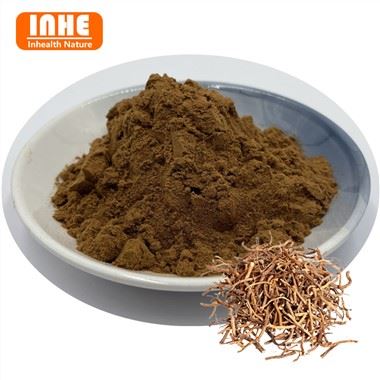
Kava Root Extract Powder bio-enzymatic processed

Kava Root Extract Powder

Kavalactones ≥30% - 70% HPLC Standardized

Produced using cold enzymatic digestion to release active kavalactones (kavain, dihydrokavain) from heavy starch matrices without high-temperature caramelization or active degradation.

Get Catalog
Valerian Root Extract Powder standardized for valerenic acid

Valerian Root Extract Powder

Valerenic Acids ≥0.8% HPLC / Low Odor Profile

Bio-enzymatic digestion preserves volatile sesquiterpenic acids while removing pungent free fatty acids, yielding a high-potency powder tailored for premium sleep formulations.

Get Catalog
info@raagextracts.com bio-enzymatic extraction plant overview
Enterprise Advantage & E-E-A-T Excellence

A Specialized Extraction House Driving Green Bio-Processing

Established in 2014, [email protected] operates as an engineered botanical extraction house rather than a conventional commercial trading desk. Our state-of-the-art facility features dedicated 10,000-liter bio-enzymatic digestion reactors, ceramic membrane ultra-filtration units, low-temperature vacuum falling-film evaporators, and aseptic spray-drying towers.

Our chemical engineers and quality control scientists work directly alongside production lines to monitor enzymatic reaction kinetics, enzyme-to-substrate ratios, pH balance, and temperature curves in real time. Every commercial lot undergoes rigorous testing using Agilent HPLC-DAD, GC-MS, and ICP-MS instrumentation to verify target active markers, zero solvent residues, and heavy metal compliance below stringent EP/USP limits.

  • In-house HPLC, GC-MS & ICP-MS testing
  • Batch-retained samples stored for 36 months
  • GAP-contracted botanical cultivation bases
  • Full audit-ready regulatory dossiers (COA, MSDS)
Get Catalog
Standardized Operational Process

Six-Stage Bio-Enzymatic Manufacturing Quality Control

A transparent, fully auditable workflow ensuring every batch of botanical extract meets exact physical, chemical, and microbiological specifications.

01

GAP Raw Herb Qualification

Botanicals arrive from contracted planting bases and undergo identity testing, moisture control, and heavy metal/pesticide screening prior to processing.

02

Enzyme Cocktail Formulation

R&D formulates specific cellulase, pectinase, or protease blends optimized for the specific plant species, cell structure, and target active molecule.

03

Controlled Hydrolysis

Substrates are digested in stainless steel bio-reactors under precise pH (4.0–6.5) and low temperature (35°C–50°C) conditions to maximize release.

04

Thermal Enzyme Inactivation

Reacted solutions undergo validated high-temperature short-time pasteurization (85°C for 60s) to completely denature enzymes, ensuring zero active residue.

05

Membrane Microfiltration

Ceramic membrane filtration separates denatured proteins and cell debris, yielding a crystal-clear liquid extract ready for low-temp vacuum concentration.

06

Aseptic Spray Drying & Release

Extract concentrates are spray-dried under filtered HEPA air, sifted to target mesh size, packaged in sealed drums, and released with a batch-specific COA.

Industry Analysis & Future Outlook

Insights for purchasing directors, supply chain strategists, and product managers navigating modern regulatory, sustainability, and market demands.

1. Strict Global Clean-Label Mandates & Carbon Tax Penalties

Regulatory agencies across North America (US FDA), Europe (EFSA), and Asia-Pacific are progressively tightening solvent residue allowances (such as class 1 and class 2 organic solvents under ICH Q3C guidelines). Global brand owners are actively phasing out extracts produced via hexane, dichloroethane, or high-volume ethanol reflux to avoid solvent disposal carbon taxes and consumer clean-label pushback. Enzymatic Herbal Extraction utilizes pure aqueous systems and food-grade bio-enzymes, satisfying 100% clean-label marketing claims while protecting brands from evolving chemical restrictions.

2. Demand Shift Toward Aglycones and Micro-Monomers

Modern B2B buyers are moving away from non-specific "10:1 ratio extracts" toward scientifically quantified standardized monomers and aglycone compounds. Clinical trials demonstrate that bio-transformed aglycones (such as crocetin, deglycosylated ginsenosides, and resveratrol aglycones) deliver up to 500% higher oral bioavailability compared to native glycoside complexes. Bio-enzymatic extraction processes enable cost-effective, scalable bioconversion of low-potency plant matrices into high-value pharmaceutical-grade monomers.

3. Integration of AI-Guided Enzyme Selection & Real-Time PAT

The incorporation of Artificial Intelligence in bio-engineering allows extraction facilities to model plant cell wall carbohydrate profiles and predict optimal multi-enzyme cocktail formulations within seconds. Coupled with Process Analytical Technology (PAT)—such as online NIR (Near-Infrared Spectrometry) monitoring in digestion tanks—facilities like [email protected] can optimize enzyme dosage, temperature curves, and incubation time in real time, eliminating batch variance and reducing manufacturing costs.

4. Supply Chain Resilience and Farm-to-Drum Transparency

International procurement teams face ongoing geopolitical, climatic, and logistics volatility. Securing raw material supply requires direct agricultural integration. By establishing contracted GAP (Good Agricultural Practices) growing bases, [email protected] maintains complete batch traceability from seed selection and soil chemical monitoring to final bio-enzymatic processing and drum sealing.

Certifications & Quality Compliance

Global Standards, Third-Party Audited Quality Systems

Our production plant and quality management infrastructure are maintained for immediate regulatory compliance and corporate vendor qualification.

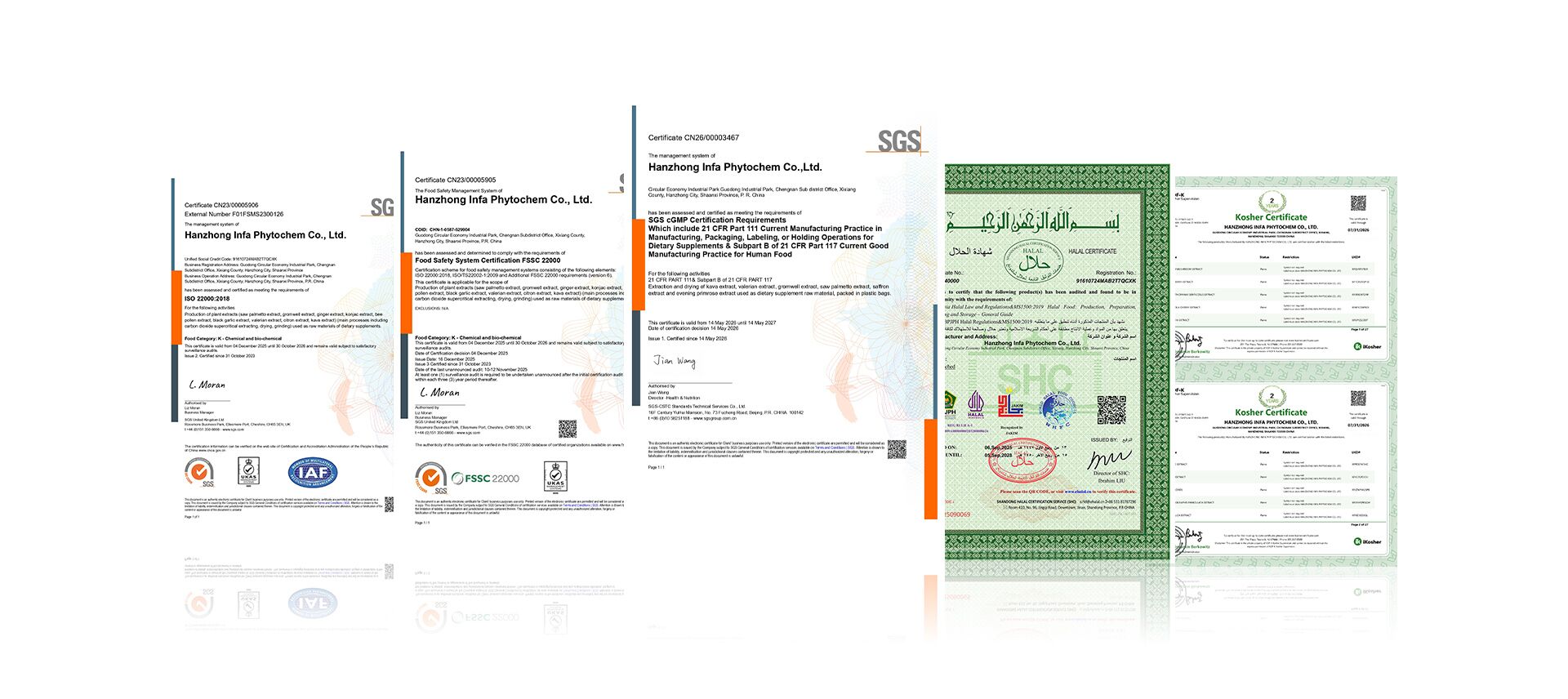
ISO, HALAL, KOSHER and organic certificates held by info@raagextracts.com
ISO 9001ISO 22000HACCPHALAL CERTIFIEDKOSHER CERTIFIEDGMP-AUDITED PLANT
Procurement FAQ

Frequently Asked Technical & Sourcing Questions

Direct, unvarnished responses engineered by our technical and export teams for global B2B buyers.

Enzymatic Herbal Extraction (EAE) utilizes targeted hydrolytic enzymes such as cellulase, pectinase, and protease to selectively break down plant cell walls under mild thermal conditions (35°C–50°C). Unlike high-temperature organic solvent reflux, EAE preserves delicate polyphenols, volatile terpenes, and glycosides from thermal degradation while increasing active compound yield by 15% to 35% with zero toxic solvent residue.

Yes. All bio-enzymatic extraction processes at [email protected] include a validated thermal enzyme inactivation step (typically high-temperature short-time pasteurization at 85°C–90°C for 60 seconds) followed by ceramic membrane microfiltration. This ensures total enzyme denaturation and guarantees zero active residual enzymes in the final standardized bulk extract powder, fully complying with US FDA cGMP, EU Novel Food, HALAL, and KOSHER guidelines.

Every bulk order is accompanied by a comprehensive technical qualification package, including a batch-specific Certificate of Analysis (HPLC/UV assay verification), MSDS, Specification Sheet, Process Flow Chart detailing the enzymatic hydrolysis step, Allergen Statement, Non-GMO Certification, and third-party laboratory test reports for heavy metals, residual pesticides (USP/EP screens), and microbiological counts.

Yes. Our R&D team designs custom enzymatic digestion cocktails tailored to specific plant matrices. We adjust enzyme selection, incubation pH, water ratio, and hydrolysis duration to achieve targeted monomer concentrations, enhanced water solubility, specific mesh size profiles, or custom carrier integration (e.g., maltodextrin or gum arabic).

Standard MOQ for bulk standardized extracts and plant powders is 1 kg, while ultra-pure plant monomers have an MOQ of 100 g. In-stock inventory typically ships within 3 to 5 business days, whereas custom enzymatic biotransformation batches require 10 to 18 business days from order confirmation.

All raw herbs are sourced from GAP-contracted planting bases with documented geographical origin, soil testing, pesticide application history, and harvest dates. Every finished drum is marked with a unique lot code that bridges manufacturing logs, in-process enzymatic hydrolysis checkpoints, and farm-level harvest records.

Accelerate Your Product Development with Precision Bio-Actives

Request a complete technical file, sample batch, and competitive bulk price quotation for our enzymatically extracted botanical portfolio today.

Get Catalog