
Fully compliant with Japan's Positive List System for Residual Pesticides, Heavy Metal Limits, and Non-Irradiated Botanical Standards.
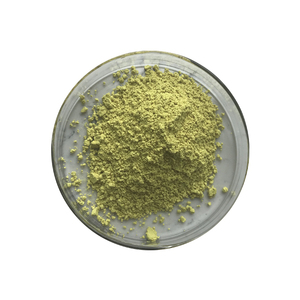
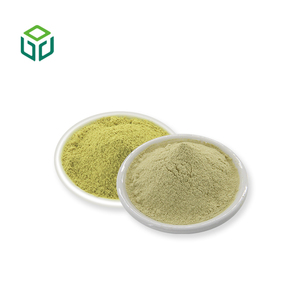
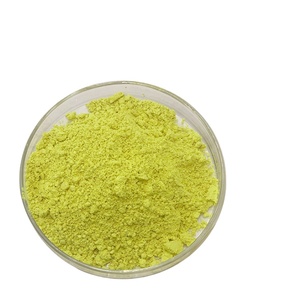
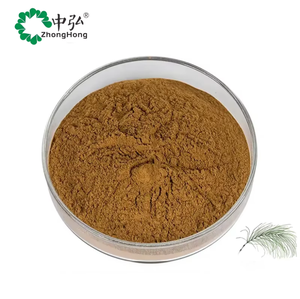
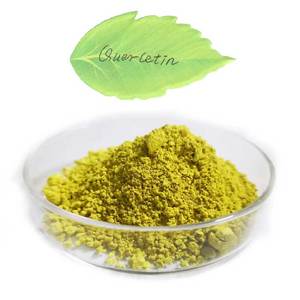
Japan’s health supplement market represents one of the most sophisticated bio-nutritional ecosystems globally. Characterized by strict regulatory oversight under the Ministry of Health, Labour and Welfare (MHLW) and governed by the Pharmaceuticals and Medical Devices Agency (PMDA), importing botanical active pharmaceutical ingredients (APIs) and functional food ingredients into Japan requires unwavering compliance. Japanese brand owners, OEM/ODM contract manufacturers, and pharmaceutical trading houses demand raw material suppliers who can offer far more than competitive pricing; they require empirical validation, absolute batch-to-batch reproducibility, and extensive regulatory dossier backing.
In recent years, the Japanese market has experienced a profound shift toward Foods with Function Claims (機能性表示食品 - FFC). Japanese consumers possess high functional literacy, seeking scientifically validated compounds for anti-allergy support (specifically targeting seasonal Kafunsho / Cedar Pollen allergy), cellular senolytics, longevity, vascular health, and joint care. Quercetin—a bioflavonoid primarily derived from the flower buds of Sophora japonica (Japanese Pagoda Tree)—has emerged as a foundational ingredient across these categories. However, navigating Japan's "Positive List System" for agricultural chemical residues and adhering to strict specifications regarding residual solvents (ICH Q3C guidelines) requires a manufacturing partner with advanced technical infrastructure.
Information Gain Insight: Unlike standard Western dietary supplement markets where basic Certificate of Analysis (COA) documentation suffices, Japanese B2B procurement protocol mandates heavy metal limits exceeding USP standards (Pb < 1.0 ppm, As < 0.5 ppm, Cd < 0.5 ppm, Hg < 0.1 ppm), total absence of non-approved synthetic additives, zero irradiation (E-beam/Gamma), and full compliance with Japan’s Food Sanitation Act.
To maximize information value for formulators and R&D managers in Japan, RAAG Biotech Co., Ltd. provides granular analytical differentiation between various physical and chemical grades of Quercetin extract. Selecting the correct polymorphic or encapsulated form directly impacts tablet hardness, capsule filling speed, dissolution rate, and ultimate systemic bioavailability.
CAS: 6151-25-6. The stable crystalline form containing two molecules of water of crystallization. Highly recommended for standard hard-gel capsules and dry-mix powder formulas requiring superior thermal stability during processing.
CAS: 117-39-5. Water-free crystalline powder offering elevated potency per gram. Ideal for direct compression tableting, moisture-sensitive formulations, and combination products with hygroscopic botanical extracts.
Advanced phospholipid-encapsulated matrix utilizing non-GMO sunflower or soy lecithin. Overcomes native quercetin's poor water solubility, boosting oral absorption up to 20-fold for premium J-Beauty and clinical nutraceutical lines.
In addition to Sophora japonica derived quercetin, RAAG Biotech supplies specialized botanical synergistic actives such as Wild Horsetail Herb Extract (Equisetum arvense). Standardized for naturally occurring bio-silica and flavonoid content, Wild Horsetail extract is widely utilized in Japanese anti-aging and osteo-nutritional formulas to enhance mineral deposition and connective tissue micro-integrity.
The following data matrix illustrates the physicochemical parameters evaluated during our quality release process prior to Japanese customs clearance:
| Specification Parameter | Quercetin Dihydrate 98% | Quercetin Anhydrous 98% | Liposomal Quercetin 50% | Wild Horsetail Extract |
|---|---|---|---|---|
| Marker Compound (HPLC) | Quercetin ≥ 98.0% | Quercetin ≥ 98.0% | Encapsulated Quercetin ≥ 50.0% | Organic Silica ≥ 7.0% |
| Appearance | Yellow Fine Powder | Light Yellow Powder | Yellowish Micro-granules | Fine Light Brown Powder |
| Loss on Drying | 9.0% - 12.0% | ≤ 3.0% | ≤ 5.0% | ≤ 5.0% |
| Mesh Size (Pass Through) | 100% through 80 Mesh | 100% through 100 Mesh | 100% through 60 Mesh | 100% through 80 Mesh |
| Bulk Density | 0.35 - 0.55 g/mL | 0.40 - 0.60 g/mL | 0.45 - 0.65 g/mL | 0.40 - 0.55 g/mL |
| Heavy Metals (ICP-MS) | Total ≤ 10 ppm (Pb<1, As<0.5) | Total ≤ 10 ppm (Pb<1, As<0.5) | Total ≤ 5 ppm (Pb<0.5) | Total ≤ 10 ppm |
| Solvent Residue (Ethanol) | ≤ 500 ppm (ICH Compliant) | ≤ 500 ppm (ICH Compliant) | Solvent-Free Process | Water Extracted (0 Solvent) |
To maximize commercial success in the competitive Japanese drug store and e-commerce channels (Rakuten, Amazon Japan, Yahoo! Shopping), ingredients must fit specific consumer consumption habits and product formats. Below are four primary application scenarios engineered for local Japanese market trends:
During spring, millions of Japanese consumers search for natural mast-cell stabilizing agents. Quercetin acts as a natural antihistamine by inhibiting histamine release from basophils and mast cells. Formulated alongside Japanese Green Tea Extract (EGCG) or L-Theanine into easy-to-swallow small-diameter tablets (8mm) designed for Japanese swallowing preferences.
Japan is the global epicenter for anti-aging research. Quercetin is recognized as a potent senolytics compound that selectively eliminates senescent cells ("zombie cells"). Combining 98% Quercetin Anhydrous with NMN (β-Nicotinamide Mononucleotide) and Resveratrol creates high-margin longevity supplements sold in medical clinics and department stores across Tokyo and Osaka.
Ready-to-drink functional beverages and portable jelly sachets represent massive sales volumes in Japanese convenience stores (7-Eleven, Lawson, FamilyMart). Our Liposomal Quercetin 50% and customized 200-mesh micronized quercetin powders disperse seamlessly into aqueous solutions without precipitation or gritty mouthfeel.
Targeting Japan's super-aged demographic, combining Wild Horsetail Herb Extract (rich in natural bio-silica for collagen cross-linking) with Quercetin Dihydrate supports cartilage protection and reduces joint inflammation, perfectly filling the demand for non-glucosamine joint care alternatives.
Operating as a specialized extraction powerhouse since 2014, RAAG Biotech Co., Ltd. is far more than a trading intermediary. We manage an end-to-end extraction and purification ecosystem designed to eliminate quality risks for international B2B buyers.
Our production plant adheres to strict Good Manufacturing Practice (GMP) protocols. Milling, blending, and primary packaging are conducted in Class 100,000 cleanrooms equipped with positive-pressure HVAC filtration to prevent airborne contamination.
Every batch of Sophora japonica flower buds is sourced from contracted Good Agricultural and Collection Practice (GACP) planting bases. Raw materials are cataloged by harvest region, drying method, and batch number for 100% field-to-drum traceability.
Our quality control laboratory is outfitted with high-performance liquid chromatography (HPLC), ultraviolet-visible spectrophotometry (UV-Vis), gas chromatography (GC), and atomic absorption spectroscopy (AAS). Every lot undergoes mandatory 3rd-party validation optioning via SGS or Eurofins.
We utilize eco-friendly extraction techniques, including supercritical CO2 fluid extraction, water reflux, and enzymatic purification. This guarantees extremely low solvent residues, complying with Japanese green label and clean-label trends.
Addressing key technical, regulatory, and logistical inquiries from Japanese procurement officers and QA departments.
Contact our dedicated Asia-Pacific export engineering team today. Receive full COA dossiers, regulatory compliance documentation, and competitive factory-direct pricing for your next production run.
Get Catalog