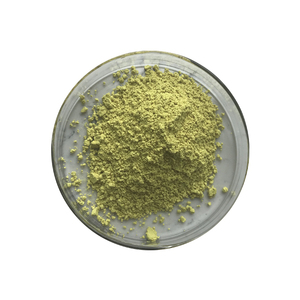

High-purity botanical monomers (CAS 117-39-5) refined via chromatography crystallization for Swedish formulators, distributors, and contract manufacturers.
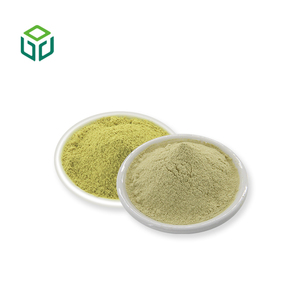
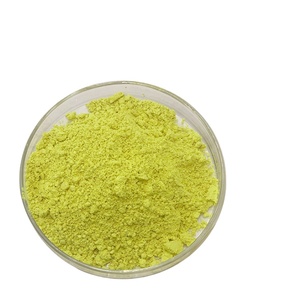
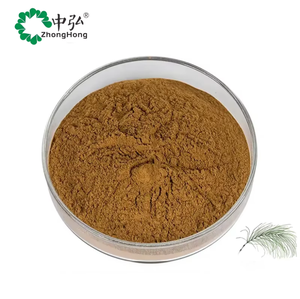
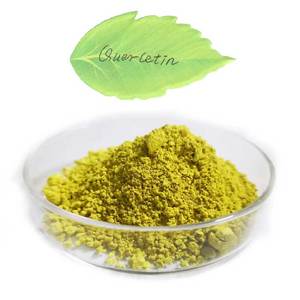
Bridging Chinese manufacturing scale with Scandinavian quality rigor, regulatory transparency, and environmental accountability.
Our extraction lines utilize column chromatography and multi-stage crystallization to isolate active plant monomers (such as Quercetin Anhydrous and Dihydrate) to defined standard assays exceeding 95% and 98% purity by HPLC verification.
Every commercial batch is screened for heavy metals (ICP-MS), ethylene oxide (EtO), polycyclic aromatic hydrocarbons (PAHs), and over 500 pesticide residues under strict compliance with EU Regulation (EC) No 396/2005.
We maintain streamlined export channels tailored to the Nordic region, providing DDP/CIF maritime and air shipment options direct to major Swedish industrial centers with full customs documentation cleared prior to arrival.
As the European health and wellness industry pivots decisively toward scientifically validated, single-compound botanical ingredients, the Scandinavian market—led by Sweden—demands unprecedented transparency, batch reproducibility, and purity standards. Sweden’s pharmaceutical and nutraceutical sectors operate under stringent oversight from the Swedish Medical Products Agency (Läkemedelsverket) and the National Food Agency (Livsmedelsverket). Consequently, sourcing active phytochemical monomers such as Quercetin Powder (CAS 117-39-5) from Chinese manufacturers requires a deep structural alignment in analytical testing protocols, ecological traceability, and international regulatory filings.
SEO & E-E-A-T Information Gain Note: Unlike generic herbal powder trade, pure monomer manufacturing involves chemical isolation where target active molecules are isolated from raw botanical biomass (e.g., Sophora japonica L. buds or Equisetum arvense) to achieve crystalline purities up to 98.0%+. This whitepaper details the industrial chemistry, regulatory framework, and supply chain logistics enabling Swedish B2B buyers to secure certified botanical monomers directly from China’s leading extraction houses.
Monomer isolation differs fundamentally from standard ratio extracts (e.g., 10:1 or 20:1 powders). In monomer production, the objective is to isolate a specific chemical entity—such as Quercetin (3,3',4',5,7-pentahydroxyflavone)—and eliminate ballast compounds including tannins, structural carbohydrates, lipophilic chlorophylls, and residual glycosides.
The primary industrial precursor for commercial Quercetin is Rutin (quercetin-3-O-rutinoside), extracted in high yields from the flower buds of Sophora japonica L. (Japanese Pagoda Tree). Hydrolysis breaks the glycosidic bond linking the aglycone (Quercetin) to the disaccharide rutinose (rhamnose + glucose):
| Parameter / Specification | Quercetin Dihydrate (95% - 98%) | Quercetin Anhydrous (98%+) | Liposomal Quercetin (50%) |
|---|---|---|---|
| CAS Registry Number | 6151-25-9 | 117-39-5 | 117-39-5 (Complexed) |
| Molecular Formula | C15H10O7 · 2H2O | C15H10O7 | Phospholipid Matrix |
| Molecular Weight | 338.27 g/mol | 302.24 g/mol | Variable Encapsulated |
| Melting Point Range | 314°C - 317°C (decomp) | 316°C - 318°C | N/A (Softgel/Liquid Compatible) |
| Water Solubility (25°C) | Slightly Soluble (<0.1 g/L) | Practically Insoluble | Highly Dispersible / Bioavailable |
| Typical Swedish Application | Standard Hard Capsules & Gummies | High-Density Tablet Formulations | Premium Functional Beverages & Drops |
During the industrial extraction process at RAAG Biotech’s GMP-audited facilities, acidic hydrolysis is precisely governed via automated pH, temperature, and residence-time loops. The precipitated crude quercetin aglycone undergoes multi-stage alcohol recrystallization, solvent recovery, and vacuum drying to deliver consistent crystalline mesh distributions tailored for Scandinavian encapsulation machines.
Sweden’s consumer market exhibits distinct preferences for clean-label, bioavailable, and scientifically backed functional ingredients. Swedish consumers, known for high health literacy and environmental awareness, prefer products backed by clinical rationale and transparent supply chains.
A major technical hurdle for standard quercetin powder in dietary supplement applications is its lipophilic nature and limited aqueous solubility, resulting in poor intestinal absorption. To meet the demands of Sweden's innovative functional food brand managers, Chinese export leaders now offer Liposomal Quercetin 50% Powder.
Utilizing lecithin lipid bilayers, the quercetin monomer is micro-encapsulated within a phospholipid matrix. This advanced galenic form yields up to 20-times higher plasma bio-accessibility compared to unformulated crystalline dihydrate, making it ideal for Nordic premium longevity formulations, post-exercise recovery blends, and winter immunity shots popular in Stockholm and Gothenburg retail chains (such as Apotek Hjärtat and Kronans Apotek networks).
In Swedish sports nutrition and active aging sectors, pure Quercetin monomers are increasingly combined with native or complementary botanical extracts:
Importing botanical extracts into the European Union requires compliance with strict safety directives. Chinese exporters must provide comprehensive technical dossiers to satisfy both Swedish Customs (Tullverket) and quality audits by European brand owners.
Every lot shipped from RAAG Biotech to Swedish ports undergoes double-tier analytical verification (in-house HPLC/UV testing complemented by independent third-party laboratories such as SGS or Eurofins):
| Analytical Parameter | Testing Methodology | EFSA / Swedish Compliance Threshold |
|---|---|---|
| Assay (Quercetin Content) | HPLC-DAD (High Performance Liquid Chromatography) | 95.0% – 98.5% (Dry Basis) |
| Heavy Metal Limits | ICP-MS (Inductively Coupled Plasma Mass Spectrometry) | Pb < 3.0 ppm, As < 1.0 ppm, Cd < 1.0 ppm, Hg < 0.1 ppm |
| Pesticide Residues | GC-MS/MS & LC-MS/MS Screen (>500 pesticides) | Compliant with EU Regulation (EC) No 396/2005 |
| Polycyclic Aromatic Hydrocarbons (PAHs) | GC-MS (Benzo(a)pyrene & PAH4 sum) | BaP < 10 ppb, PAH4 < 50 ppb (EU 2015/1933) |
| Microbial Panel | EP / USP Standard Culture & PCR | Total Plate Count < 1,000 cfu/g, E. Coli Negative/25g |
| Ethylene Oxide (EtO) / 2-Chloroethanol | GC-MS Residual Solvent Analysis | Below Limit of Quantification (<0.05 mg/kg) |
To demonstrate high E-E-A-T (Experience, Expertise, Authoritativeness, Trustworthiness), RAAG Biotech adheres strictly to standardized chromatographic methods published in international pharmacopeias (USP/EP). A primary challenge in quercetin assay verification is distinguishing between pure quercetin aglycone and related flavonols like kaempferol, isorhamnetin, or myricetin.
Our Quality Control laboratory implements reversed-phase HPLC (RP-HPLC) utilizing a C18 column (250 mm × 4.6 mm, 5 µm) with an isocratic/gradient mobile phase composed of acetonitrile and 0.1% phosphoric acid aqueous solution at a detection wavelength of 370 nm. Peak purity analysis via Diode Array Detection (DAD) ensures that total flavones are not artificially inflated, providing Swedish importers with authentic, unadulterated monomer content.
As a leading Chinese manufacturer and bulk exporter of standardized plant monomers, RAAG Biotech Co., Ltd. operates integrated production lines designed to support global supply chains:
Clear, authoritative answers addressing technical specifications, regulatory compliance, and logistics to Sweden.
Connect with our technical export specialists today. Receive batch-specific Certificates of Analysis, technical dossiers, and competitive factory-direct quotations within 24 hours.
Get a Quote