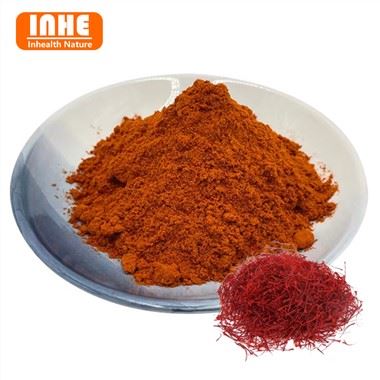
Hydrodistilled Saffron Essential Oil
Safranal & Volatile Actives Controlled by GC-MS / HPLCHydrodistilled from premium Crocus sativus stigmas to preserve volatile safranal aroma notes and neuro-active terpenes without solvent traces.
Get a Quote


Pure hydrodistilled essential oils and botanical active volatile fractions manufactured in GMP-audited facilities — 100% solvent-free, GC-MS verified, and fully traceable.
Submersed hydrodistillation eliminates local scorching, preserving delicate monoterpenes and ester ratios for pharmaceutical and high-end cosmetic formulations.
Full batch-level COA, IFRA 51st Amendment certificates, MSDS, and chiral GC verification shipped directly to over 40 countries worldwide.
Every lot is fingerprinted for optical rotation, enantiomeric ratios, and chemical assay.
Pure water submersion distillation with zero petrochemical solvent residues or synthetic additives.
Harvest logs and contract planting base coordinates attached to every single batch container.
Custom carrier dispersion, density adjustment, and standardized volatile marker ratios.
A comprehensive technical report on hydrodistillation mechanics, chemical preservation, and comparative extraction thermodynamics for international formulation engineers and purchasing directors.
In the industrial production of Water Distillation Essential Oil (technically classified as hydrodistillation), botanical raw material is completely submerged in purified water inside a 316L stainless steel distillation vessel. The boiling water acts as both a protective thermal buffer and a volatile carrier medium.
At [email protected], our process engineers select water distillation over direct dry steam distillation when processing delicate floral tissues, finely ground aromatic roots, and resinous leaves. Direct steam often causes 'steam channeling' and localized thermal degradation, whereas water submersion maintains a uniform 100°C boundary, preventing the breakdown of heat-sensitive ester compounds.
The fundamental physical principle behind Water Distillation Essential Oil is immiscible liquid azeotropic distillation. Essential oils consist of hydrophobic lipophilic volatile compounds—primarily monoterpenes, sesquiterpenes, oxygenated esters, and phenolics—which possess boiling points far exceeding 150°C to 300°C at standard atmospheric pressure. Subjecting natural botanicals to such high temperatures in a dry state would instantly cause thermal pyrolysis, charred notes, and structural decomposition of bioactive markers.
When botanical biomass is fully immersed in boiling water, the combined vapor pressure of the water ($P_{water}$) and the immiscible essential oil components ($P_{oil}$) equals the ambient atmospheric pressure ($P_{total} = P_{water} + P_{oil}$). Consequently, the mixture boils at a temperature below the boiling point of water alone (typically between 95°C and 98°C depending on altitude and vessel pressure). This lower boiling threshold enables volatile organic compounds trapped within glandular trichomes and oil cavities to vaporize alongside water vapor without suffering heat-induced isomerization or thermal cracking.
Procurement managers often ask how water distillation compares to steam distillation, supercritical CO2 extraction, and organic solvent extraction. The table below outlines the core parameters evaluated during raw material qualification:
| Extraction Methodology | Processing Medium | Thermal Stress Level | Residual Solvent Risk | Target Compound Suitability |
|---|---|---|---|---|
| Water Distillation (Hydrodistillation) | Purified Water Submersion | Low to Moderate (Controlled 95-100°C) | 0 ppm (100% Water-Based) | Delicate flowers (Rose, Chamomile), ground roots, thermolabile esters. |
| Direct Steam Distillation | High-Pressure Dry Steam | Moderate to High (100-130°C) | 0 ppm (Water Vapor) | Tough leaves (Eucalyptus, Peppermint), woody stems, bark, robust herbs. |
| Supercritical CO2 Extraction | Dense Supercritical Fluid CO2 | Very Low (31-40°C) | 0 ppm (Gas Evaporates) | Heavy lipophilic oleoresins, high-molecular-weight waxes, polar pigments. |
| Solvent Extraction (Concrete/Absolutes) | Hexane, Ethanol, Ethyl Acetate | Low (40-60°C vacuum) | Requires strict trace monitoring (<1-5 ppm) | Fragile blossoms that lose aromatic profile in water (Jasmine, Tuberose). |
A primary concern for formulation scientists evaluating a Water Distillation Essential Oil is the prevention of pyrolytic artifacts. For example, during unmonitored distillation, fragile monoterpene esters such as linalyl acetate can undergo hydrolysis into linalool and acetic acid, altering both the therapeutic potency and olfactory character. By carefully managing batch pH, water-to-biomass liquid ratios, and vapor velocity, [email protected] preserves the natural enantiomeric balance intended by nature.
Furthermore, hydrodistillation produces a valuable co-product: true botanical hydrosols (floral waters). Because water is in intimate, continuous contact with the plant matrix throughout the boil, water-soluble micro-aromatic components (such as phenylethyl alcohol in rose or hydrophilic organic acids) dissolve into the liquid phase. Our dual-condensation separator system captures both the concentrated hydrophobic Water Distillation Essential Oil phase and the aromatic hydrosol phase without thermal degradation.
Explore our standardized hydrodistilled oils and complementary botanical extracts manufactured for pharmaceutical, cosmetic, and nutraceutical applications.
Hydrodistilled from premium Crocus sativus stigmas to preserve volatile safranal aroma notes and neuro-active terpenes without solvent traces.
Get a Quote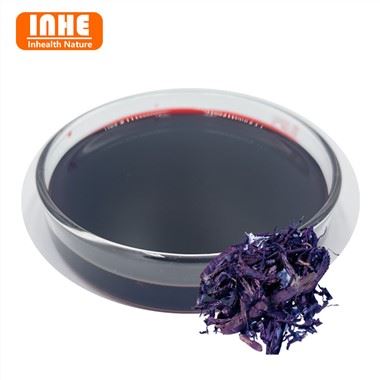
Extracted using water distillation co-processing for soothing skin barrier formulations and premium anti-inflammatory cosmetics.
Get a Quote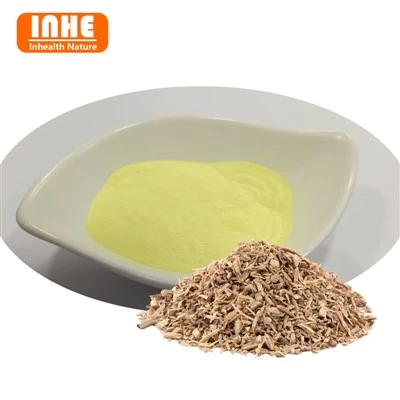
Water-distilled aromatic oil fraction rich in naturally occurring root sesquiterpenes designed for calming botanical blends.
Get a Quote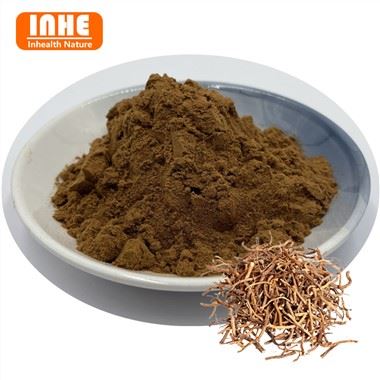
Pure water-distilled root oil retaining authentic active valerenic volatiles for pharmaceutical and dietary supplement formulations.
Get a QuoteInsights into shifting consumer preferences, regulatory tightening, and technology adoption driving international bulk demand for hydrodistilled essential oils.
Global regulatory bodies, including the European Chemicals Agency (ECHA) and the US FDA, are applying unprecedented scrutiny to residual petrochemical solvents in cosmetic, personal care, and dietary products. Consumers actively check product labels for clean processing certifications. Because Water Distillation Essential Oil utilizes strictly purified water as the sole processing fluid, it carries inherent zero-solvent status (ISO 9235 definition for natural aromatic raw materials).
Formulators in Europe and North America are systematically replacing hexane-extracted absolutes and solvent-processed concretes with pure hydrodistilled oils and supercritical CO2 fractions. This pivot is particularly strong in facial serums, eye creams, oral care, and organic nutraceutical liquids where solvent residues are unacceptable.
As prices for natural essential oils fluctuate, market adulteration with synthetic aroma chemicals (such as synthetic linalyl acetate, cheap carrier oils, or petroleum-derived limonene) presents a major operational risk for B2B buyers. Modern procurement protocol requires more than a simple refractive index or specific gravity check.
The future of Water Distillation Essential Oil procurement relies on mandatory Chiral Gas Chromatography (Chiral GC-MS) and Stable Isotope Ratio Mass Spectrometry (IRMS). At [email protected], we supply complete enantiomeric distribution reports. By proving the exact ratio of natural optical isomers (e.g., (-)-linalool vs (+)-linalool), we provide undeniable proof of 100% natural, unadulterated origin for every batch shipped.
Sustainable sourcing strategy has evolved from a marketing preference into a core vendor qualification requirement. Modern water distillation manufacturing facilities are engineered for closed-loop resource efficiency. Thermal energy from steam boilers is recovered via secondary heat exchangers, while condensed process water is purified and recycled.
Simultaneously, beauty brands are formulating waterless skincare lines where purified water is replaced by nutrient-rich botanical hydrosols generated during hydrodistillation. Sourcing both the concentrated Water Distillation Essential Oil and its corresponding hydrosol co-product from a single producer like [email protected] allows global brands to achieve 100% upcycled biomass utilization and reduce their supply chain carbon footprint.
A major technical trend in functional beverages and pharmaceutical liquids is improving the aqueous solubility and bioaccessibility of hydrophobic hydrodistilled oils. Pure essential oil molecules tend to separate, oxidize, or cause sensory harshness if incorporated directly into aqueous systems.
By pairing Water Distillation Essential Oil with natural phospholipid carrier complexes (such as sunflower phosphatidylcholine), processing teams can produce stable nano-emulsions and liposomal suspensions. This expands the application of hydrodistilled oils into clear functional beverages, stress-relief shots, and sublingual wellness drops without synthetic solubilizers.
Founded in 2014, [email protected] operates as a specialized botanical extraction house, technical research facility, and global bulk supplier. We do not operate as an intermediary trading desk; our chemical engineers directly oversee every distillation cycle, QA check, and export container sealing process.
Our modern GMP-audited production center spans dedicated processing lines for hydrodistillation, steam distillation, supercritical CO2 extraction, plant monomer crystallization, and standardized extract milling. This multi-platform capability enables our scientific team to recommend the exact extraction process suited for your target bioactive marker rather than forcing a one-size-fits-all approach.
2014
Established Operations
0+
Senior Extraction Specialists
0+
Annual Essential Oil Capacity (Tons)
0+
Global B2B Clients Served
How [email protected] guarantees purity, chemical batch stability, and regulatory compliance at every phase.
Biomass from contracted farms undergoes botanical DNA/morphological verification, moisture checking, and initial LC-MS/MS pesticide screening prior to release into the distillation bay.
Biomass is submerged in deionized water within 316L stainless steel stills. Boiling temperature, vapor velocity, and condensation cooling curves are automatically logged by PLC systems.
The oil phase is separated via florentine decanters, desiccated over sodium sulfate, and transferred to QA for full GC-MS fingerprinting, density checks, and optical rotation verification.
Pure water distillation essential oil is packaged in food-grade aluminum bottles or fluorinated steel drums, flushed with inert nitrogen gas, and sealed with tamper-evident locks.
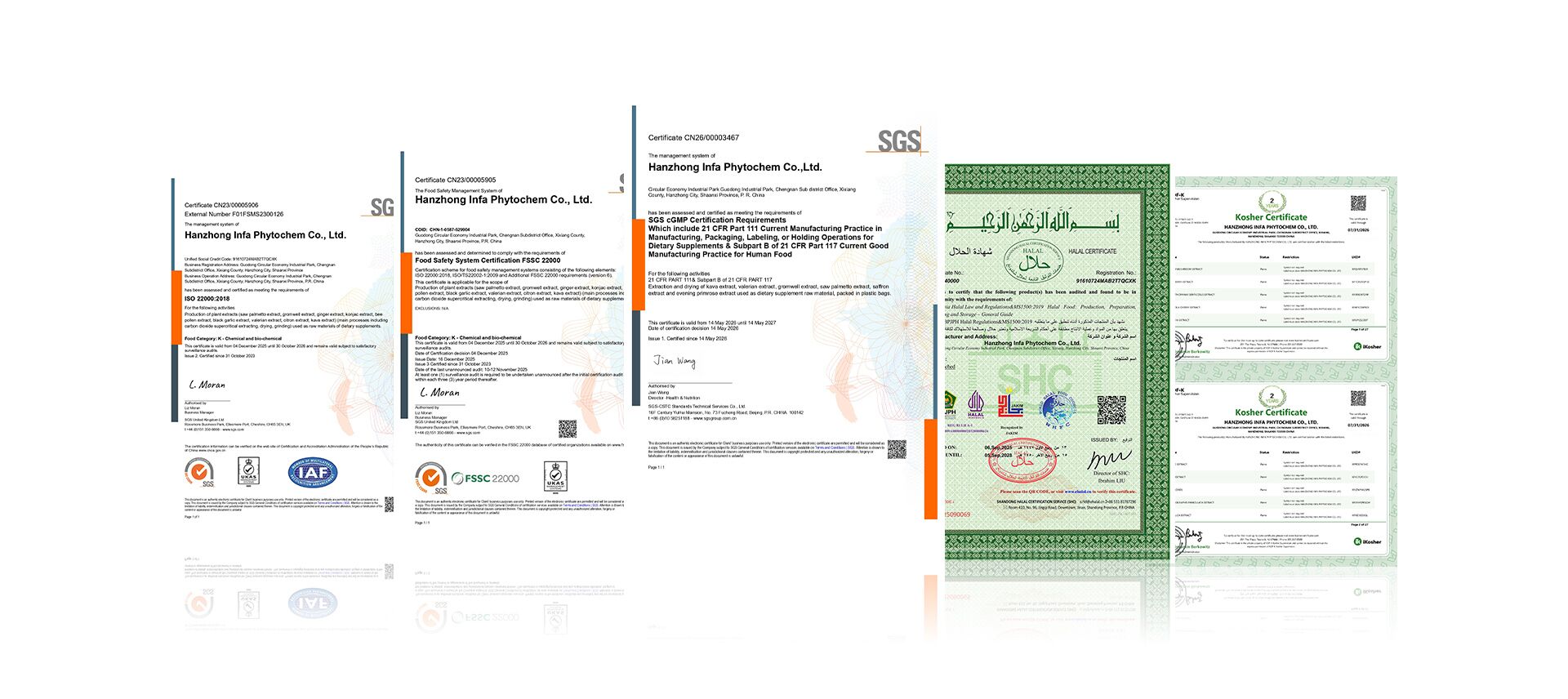
Our quality management systems are independently audited to satisfy global regulatory requirements for pharmaceutical, cosmetic, and food ingredients.
Stay informed on essential oil processing technology, market trends, and upcoming international trade events.
Our technical team met with beverage formulators in Bangkok to demonstrate water-distilled saffron volatiles and water-dispersible lipid carriers.
Formulation scientists discussed methods to prevent ester hydrolysis during commercial hydrodistillation cycles for high-end skincare lines.
Pharmacy channel buyers audited our batch-level GC-MS reports, Halal certificates, and IFRA 51st Amendment statements.
A comparative yield, volatile recovery, and cost-per-kilogram analysis for research and development teams evaluating botanical root oils.
Direct technical and logistical answers from our QA and export operations desk.
Water Distillation Essential Oil (hydrodistillation) is produced by completely immersing botanical biomass in boiling water within a specialized distillation vessel. Unlike direct steam distillation where high-pressure steam passes through dry suspended biomass, water distillation surrounds fragile flower petals, delicate leaves, and roots with liquid water.
This liquid buffer prevents thermal scorching, local overheating, and steam-channeling, preserving delicate thermolabile monoterpenes and delicate ester fractions (such as linalyl acetate, geraniol, and chamazulene) that would otherwise decompose under dry steam stress.
Delicate botanicals contain volatile aromatic compounds that degrade rapidly or clump together when subjected to high-pressure steam. Submersing biomass in water keeps the temperature evenly regulated around 100°C, protecting delicate fragrance notes and bioactive constituents from pyrolytic degradation.
Every bulk shipment from [email protected] includes a comprehensive audit dossier containing a batch-specific COA, GC-MS chromatogram profile, MSDS, Technical Data Sheet (TDS), IFRA 51st Amendment Certificate, Heavy Metals Analysis (ICP-MS), Pesticide Residue Screening (LC-MS/MS), and Allergen Statement. Third-party testing via SGS or Eurofins can be arranged upon request.
We utilize advanced Gas Chromatography-Mass Spectrometry (GC-MS) alongside Gas Chromatography-Flame Ionization Detection (GC-FID) and Chiral GC testing. This allows us to verify optical rotation, exact enantiomeric ratios, and pure natural origin, guaranteeing 100% pure hydrodistilled oils completely free from petrochemical solvents, synthetic esters, or diluents.
Our standard bulk MOQ is 1 kg for pure water distillation essential oils and 100 g for rare high-purity botanical monomers. Stocked items ship within 3–5 working days, while custom distillation batches require 10–15 working days depending on raw material harvest cycles. We support air express, air freight, and sea freight with full customs documentation.
Yes. Our in-house R&D team can tailor volatile marker concentrations, optical rotation specifications, refractive index parameters, and solubilized lipid formulations. We also provide customized carrier dispersion (e.g., MCT oil, sunflower oil, or liposomal complexes) for specific customer formulation requirements.
Contact our technical export team today with your target volatile profile, required quantity, and destination market. We will reply within 24 hours with a comprehensive quotation, recent GC-MS COA, and free evaluation sample details.
Get a Quote